
Haak-Frost: Remembering the radical kindness of my heroes
Executive Editor Alek Haak-Frost reflects on the lives and legacies of three childhood heroes who, each in their own way, practiced radical kindness.
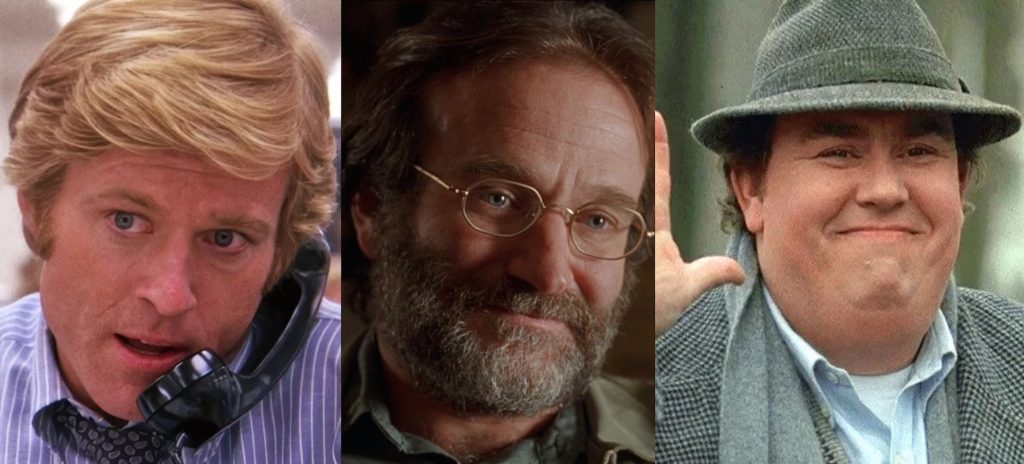
Like many kids growing up in the 80s and 90s, I idolized the likes of John Candy, Robin Williams, and Robert Redford.
With Redford’s passing in September and the release of “I Like Me,” a new documentary on the life of John Candy, I’ve been reflecting on the lives of my trio of heroes.
John Candy was a godlike figure in my house, with Robin Williams revered in equal measure. My dad, like Candy, is a big man with an infectious laugh who came from a working class background, who always insists on doing things the right way while treating people with dignity and respect.
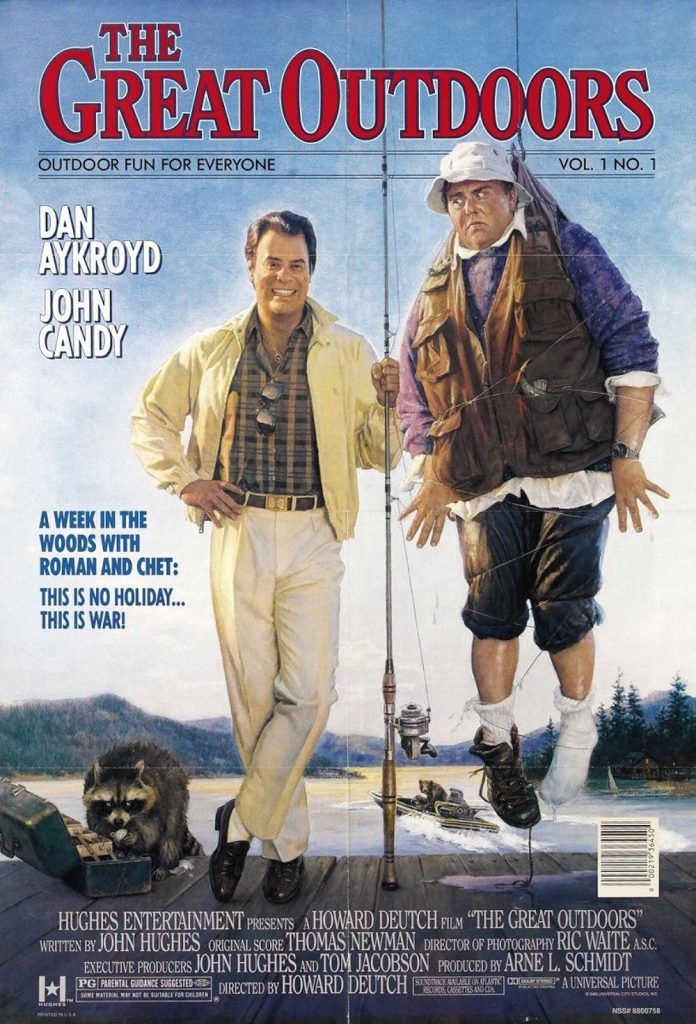

It wasn’t a hard sell when my father had us watch The Great Outdoors, Uncle Buck or Planes, Trains and Automobiles every Thanksgiving. Nor did we balk when he wanted to watch Patch Adams, old episodes of Happy Days or one of Robin’s standup specials.
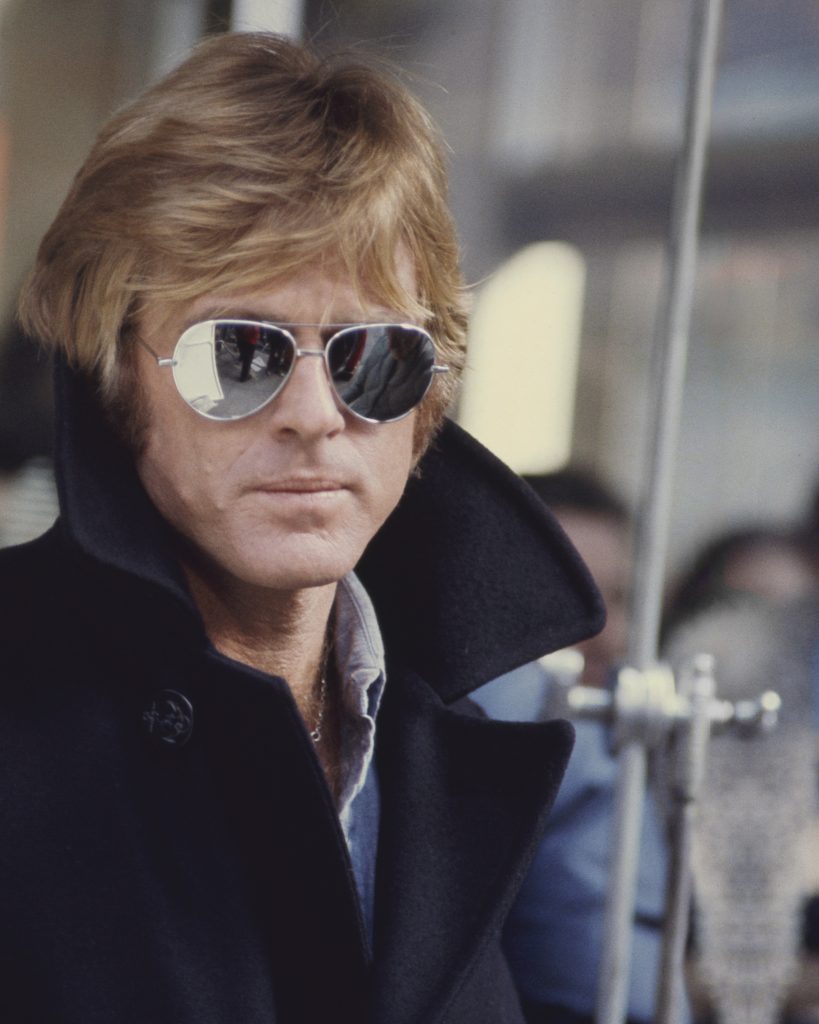
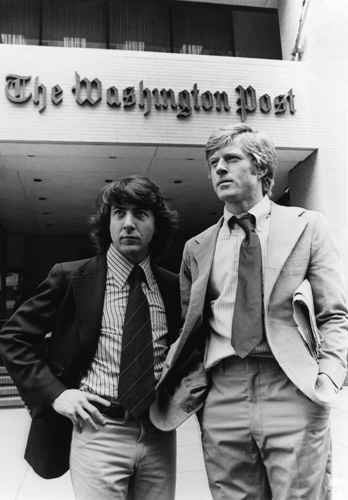
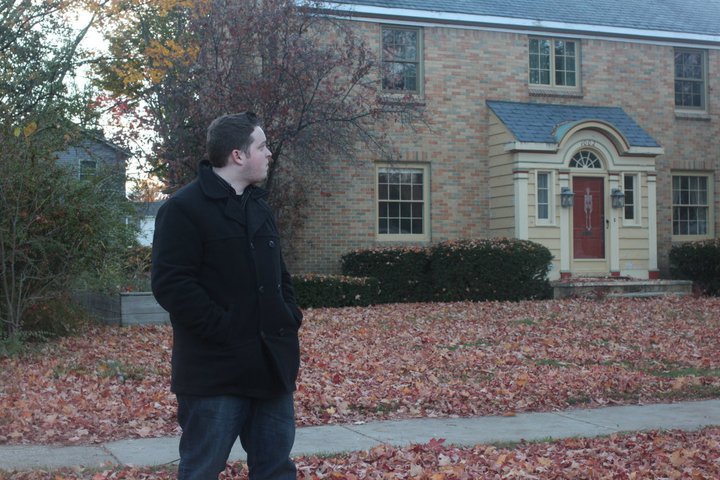
My admiration for Robert Redford came a little later when I saw All the President’s Men for the first time. If you’re reading this right now you probably have a pretty good idea what that did to my young, impressionable mind. He made journalism cool, much cooler, in fact, than it often is in reality. Redford’s hair style and clothes in films like All the President’s Men, Three Days of the Condor, and Brubaker were the inspiration for many of my fashion choices in high school and college (can you say parted hair, blazers, and peacoats?).
There’s a prompt that’s been floating around social media for at least a few years that asks, “what radicalized you?” Some say Mr. Rogers or Sesame Street (guilty), others cite Bob Ross, LeVar Burton, The Muppets or Bill Nye the Science Guy, among others.
My answer would probably be these three men. They shared many qualities — immense intellect, comedic wit, and charisma — but what stood out most for me was their seemingly effortless ability to be radically kind to others.
Whether on screen or off it, Redford, Candy, and Williams were remarkably talented men who made time for others, who made it a point to do work that gave people hope.
Radical kindness isn’t simply “being nice.” In Angela C. Santomero’s “Radical Kindness: The Life-Changing Power of Giving and Receiving,” she says it’s not just about treating others as you want to be treated. It’s also recognizing the inherent worth of every person and acting with genuine compassion, by practicing an intentional, unconditional, and active form of kindness.
The legacy of those three men likely varies from person-to-person but for me, it was their willingness to share their success with others, treat strangers with humility and grace, and show boys and young men that it’s OK to be vulnerable.
Robert Redford supported an untold number of actors and independent filmmakers over the last 43 years with his Sundance Institute. He founded Sundance in 1981, “to foster independence, risk-taking, and new voices in American film.” According to Sundance.org, that year, 10 emerging filmmakers were invited to the Sundance Resort in the mountains of Utah, where they worked with leading writers, directors, and actors to develop their original independent projects.
Director Euzhan Palcy, the first Black female to helm a studio picture, credits Redford and the institute for opening the door in the world of filmmaking. As she wrote in a piece for The Hollywood Reporter upon Redford’s passing, Redford handpicked her among 10 young French filmmakers and invited her to Sundance Directors Lab in Park City, Utah. After the lab she was scheduled to return to Paris but Redford convinced her to go to Los Angeles to meet an executive at Warner Bros.
“What followed was pure Hollywood, full of twists and turns,” she wrote. “Ultimately, MGM with Paula Weinstein produced A Dry White Season, making me the first Black female filmmaker ever entrusted with a major studio production. That was in 1989. History was made, and Robert Redford opened the door for that. He truly saw me and my unique way of storytelling and respected my voice and vision. Without him, I would never have gone to Hollywood, and who knows if that film would have ever been made.”
John Candy’s life and legacy can best be summed up by his former co-star and friend Catherine O’Hara’s eulogy at a memorial service for Candy in 1994.
“I know you all have a story,” she said. “You asked him for his autograph, and he stopped to ask you about you. You auditioned for Second City, and John watched you, smiling, laughing. And though you didn’t get the job, you did get to walk away thinking, ‘What do they know? John Candy thinks I’m funny.’
“You worked one of the thousand Air Canada flights John took between Toronto and L.A., and you never had time fly by so fast. You worked at the butcher shop, the fish shop, the market, the LCBO where John ordered up his feast for friends, and you took your time not only to do it just right for him but to keep John there for a moment longer. He closed your bar, and it was packed because of course no one would leave until John Candy had gone home.
“Party monster? Maybe. Or maybe he knew you could just use the business.”
There are countless stories of Robin Williams’ kindness. Whether it was visiting sick children in the hospital, helping the unhoused, his active involvement in charities like Comic Relief, The Christopher & Dana Reeve Foundation or St. Jude’s Research Hospital, Williams gave the most vulnerable people in society a reason to smile, and hope for better things to come.
His performance as Sean Maguire in Good Will Hunting taught me invaluable lessons about love, compassion, and giving grace to yourself and others. “You don’t know about real loss,” Williams’ character says to the titular character Will Hunting in one scene. “Because that only occurs when you love something more than you love yourself. I doubt you’ve ever dared to love anybody that much.”
We live in a society where social media is king, where professional achievements and wealth rule the day, either making you feel better about yourself and better than others or making you feel worse about your standing in life, and resentful of others who are seemingly better off than you. Rage is currency for the likes of Mark Zuckerberg and Elon Musk, who make billions off your argument with a complete stranger on X or in the comment section of your local community page.
But what if we chose to stop buying into the rage economy and clout chasing, and instead give our efforts and time to “loving something more than (we) love (ourselves)?” Return someone’s cart for them at Meijer, open the door for a complete stranger on your way into a restaurant or bookstore, donate to a local food site or volunteer for a mentoring program? We’ve never been more isolated, we’ve never been less in touch with the daily rhythm and flow of life outside of our respective doors, and it’s hurting us, all of us
You can choose to uplift others like Redford, give others your time like Candy or make people smile like Robin. You can choose to be radically kind.
Alek Haak-Frost is executive editor and publisher of Watershed Voice.
Author

Related Articles
Local stories hit the big screen at Kalamazoo Film Society’s fourth annual showcase
The event features mostly filmmakers from Kalamazoo and the surrounding region, with films shot in — and in some cases about — the city itself.
One of the featured filmmakers, Jerod Kauffman, created a documentary about the final days of the longtime dive bar Harvey’s on the Mall, which closed after a buyout. Kauffman said he wanted to capture the story of a place that helped define Kalamazoo’s nightlife culture.
“The closure was sudden to everyone — the community and staff — so I wanted to immortalize a place that was loved by so many,” Kauffman wrote to Watershed Voice. “I saw a fence and bulldozer outside the building today on the way to work. I think it’s going to be torn down, so I am happy I was able to capture a piece of Kalamazoo history and the bar that stood and served the community for 40+ years.”
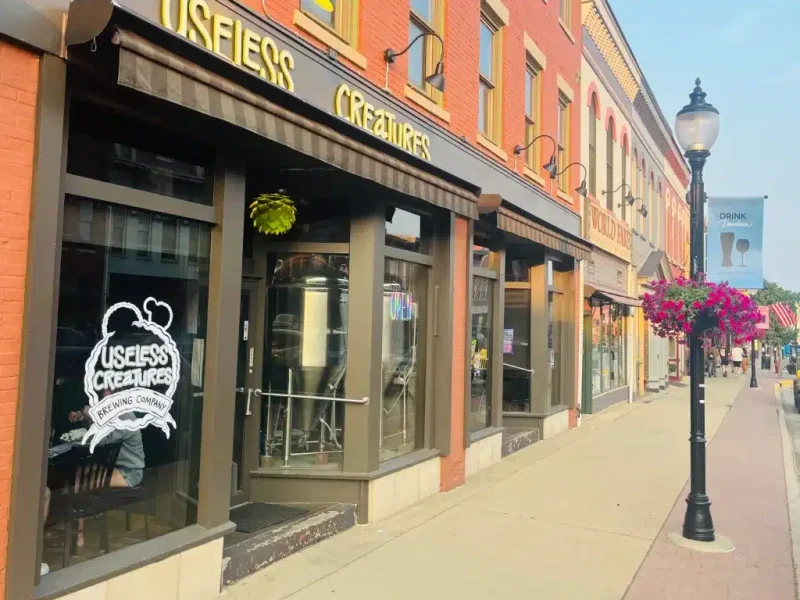
Useless Creatures to donate all of today’s sales to tornado relief
Useless Creatures Brewing Company plans to donate all sales today, Thursday, March 12 to tornado recovery efforts. All of the money will go to The Huss Project who has been organizing volunteers, collecting donations, and providing resources for those in need in the wake of the tornado.
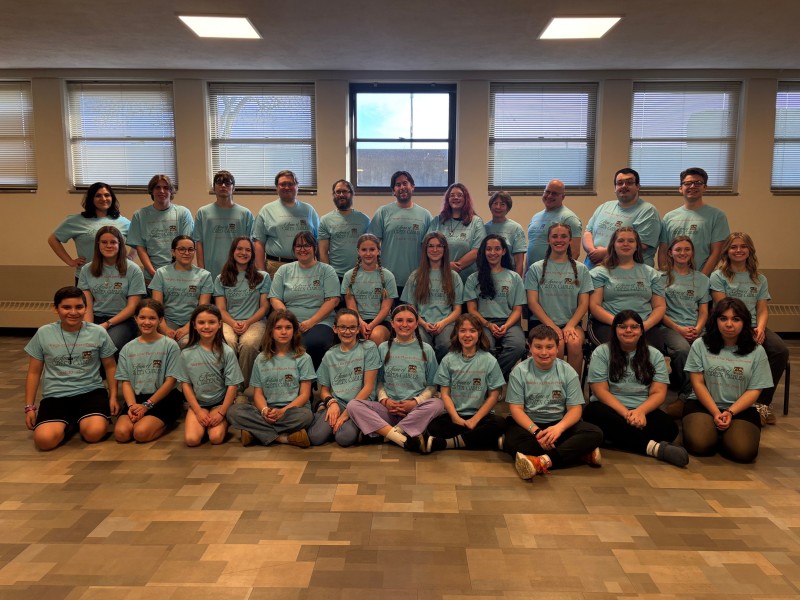
Sturgis Civic Players to present “Anne of Green Gables” March 20–22 at Sturges-Young Center for the Arts
Directed by Elizabeth Smith of Sturgis and adapted from one of the best-selling books in the world, Anne of Green Gables follows Anne Shirley’s journey from a mischievous girl to a young woman, exploring themes of imagination, belonging, and family.
This production spans six years of Anne’s life — from her arrival in Avonlea as a 12-year-old to her young adulthood at 18 as she prepares to set out on her own. The production highlights many of the story’s most beloved moments.
