
Home
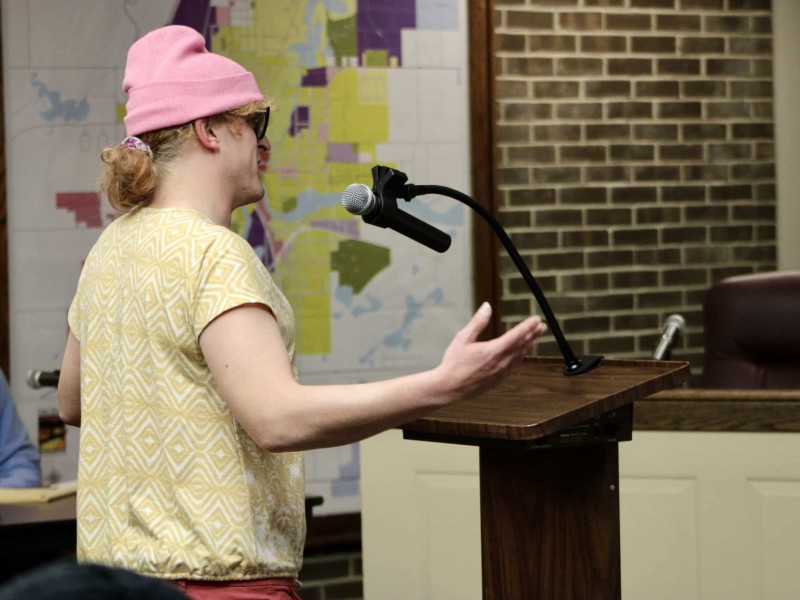
Three Rivers OKs downtown restrictions aimed, in part, at pushing unhoused outside of district
The rules, which apply to areas like the Mural Mall, East Alley, the Amphitheater and adjacent city-owned public grounds are intended to address public safety and cleanliness, although much of the impact will fall on the unhoused population.
Mayor Angel Johnston said she hopes the new rules empower the Three Rivers Police Department.
“I am 100% in favor of this, and I hope to goodness that this empowers our police department to brutally enforce these rules. I shouldn’t say brutally; be nice to people. I know that you all are, but as Commissioner (Pat) Dane said, to do it, I don’t want this ordinance to just come and it just be something that sits on the books.”
About Watershed Voice

Your voice, your stories.
Watershed Voice is an independent, nonprofit civic news magazine based in Three Rivers, Michigan. We seek to highlight solutions to your pressing concerns in an effort to make our community a better place.
Our Latest

Struggling to make ends meet? Here’s where to find assistance in southwest Michigan
As winter approaches, residents of St. Joseph, Cass, and Kalamazoo counties struggling to afford groceries, housing, utilities, healthcare, and other necessities have several resources available to them.
Watershed Voice has compiled a list of organizations and programs offering assistance throughout the region.
Local meeting primer: Three Rivers City Commission
Police Chief Scott Boling has proposed a set of rules for commissioners to consider which would prohibit anyone from congregating at Mural Mall, East Alley, Amphitheater or connected areas between midnight and 6 a.m. The proposal says a person may pass through during that time, however, may not remain there for an extended period.
The proposal would also prohibit camping or sleeping in the listed areas, including setting up tents, makeshift shelters or bedding. Personal property could not be abandoned or stored on city property, although belongings associated with lawful use of the area would be permitted as long as they do not obstruct public access. The restrictions would apply to everyone, regardless of housing status. However, the proposed changes come as temperatures are dropping and the unhoused become more vulnerable to the elements, with little to no viable alternatives for shelter within city limits.
Glen Oaks Community College Foundation launches President’s Circle
Established in 2026, the President’s Circle is part of the Foundation’s renewed approach to donor stewardship and engagement. The society was created to recognize leadership donors while helping them build stronger connections with the students, employees and programs their generosity supports.

Sturgis Dam could be going away, here’s what the city is considering
Currently, the dam produces 6.6 million kilowatt hours of energy per year. The city uses about 219.8 million kilowatt hours, so the dam produces about 3% of the city’s total electricity in a year, Sturgis Electrical Superintendent Chris McArthur told Watershed Voice.
Sturgis is known as the “electric city” and the dam is a core part of the city’s identity. This is something McArthur noted during their last meeting when expressing some of his hesitancy to consider more invasive options like decommissioning. However, the dam’s relatively small contribution to the city’s electricity supply has promoted questions about whether its operating and maintenance costs are justified.

Sturgis City Commission returns to business as usual after election
The Sturgis City Commission met last night, November 11, for a regular business meeting. Commissioners worked through a light agenda and shared their thoughts about last Tuesday’s election.
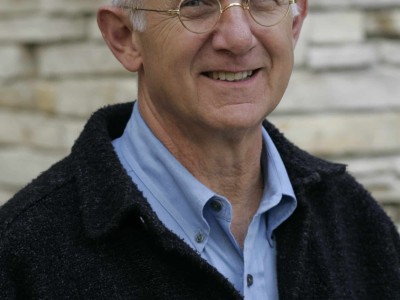
Celebrating the life of a Fetzer visionary: Robert F. ‘Rob’ Lehman
Robert F. Lehman became president of the Fetzer Institute in 1989, guiding its pioneering exploration of the relationship between mind, body, and spirit. Under his leadership, the Institute supported groundbreaking research in mind-body health, contemplative practice, and human development, including the Emmy Award-winning PBS series Healing and the Mind with Bill Moyers. He also established the Institute’s first fellows program and oversaw the opening of Seasons, its retreat center, in 1994.
