Southwest Michigan Pride events return throughout June and July
As Pride Month approaches, communities across Southwest Michigan continue to offer spaces for celebration, visibility, and connection for LGBTQIA+ residents and allies alike.
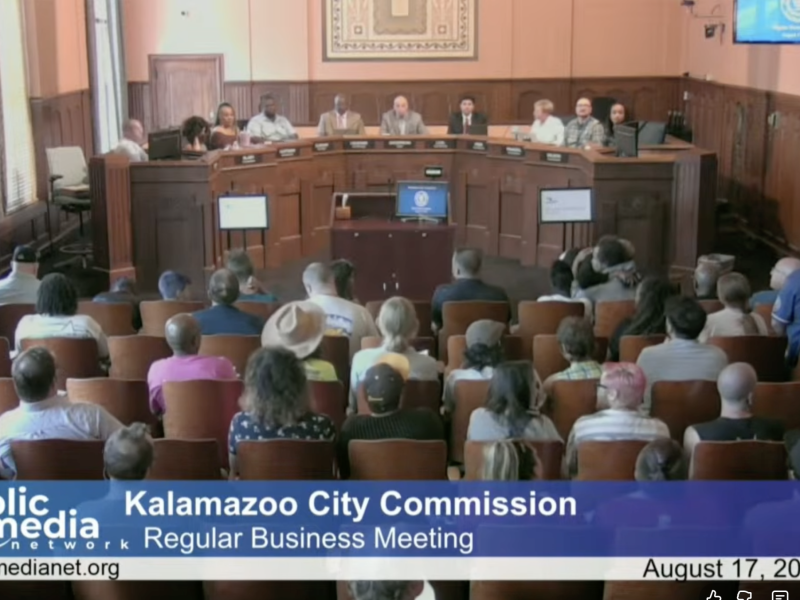
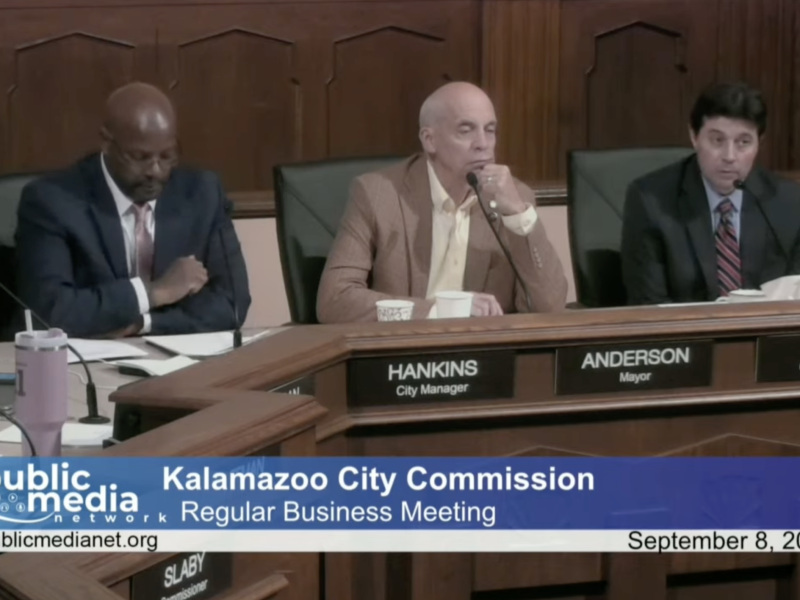
The Kalamazoo City Commission approved a $1.04 million agreement with the Michigan Department of Transportation Monday to move forward with a Portage Street redesign. The project will reduce the road from four lanes to three, and add bike lanes between Cork Street and Stockbridge Avenue. The project, approved on a 6-1 vote with Vice Mayor Drew Duncan dissenting, is funded with $750,000 in federal grant money and $289,402 from the city’s Major Streets Capital Budget. City officials say the redesign is intended to improve safety for drivers, cyclists and pedestrians along one of Kalamazoo’s busiest corridors.
Kalamazoo County voters considered several school funding proposals, along with the high-profile Portage single-hauler trash ordinance proposal, which generated significant public debate ahead of Election Day. The proposal would require waste haulers to register and publish fee schedules while prohibiting the city from creating an exclusive single-hauler trash contract. The measure failed with 44.73% of the vote in favor (5,381 votes) and 55.27% opposed (6,649 votes).
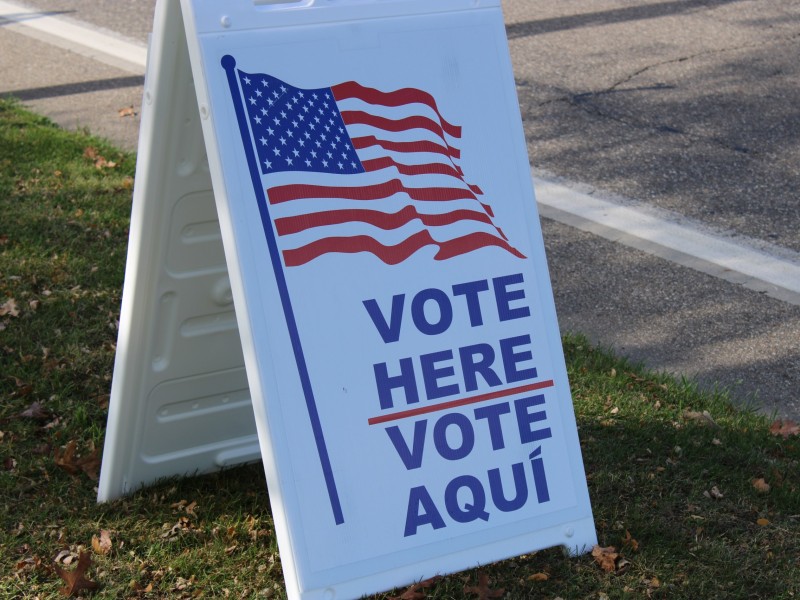
It’s Election Day! Watershed Voice has compiled key information you might need — from polling locations to hours and what’s on your ballot. Voters can still register on Election Day at their city or township clerk’s office with proof of residency. They can register and vote in person there until 8 p.m. Acceptable documents include a driver’s license, utility bill or bank statement showing a current address. Polls are open from 7 a.m. to 8 p.m. across Michigan.
One of Anna Barnhart’s guiding principles as an artist is to try new things, no matter how ridiculous they might seem. She uses nontraditional tools like Saran Wrap, bubble wrap, spatulas, and even frosting to create textures impossible with a traditional artist’s toolkit. “I’m looking at shapes in general and thinking of new ways of making marks,” Barnhart said. “It’s more about what the subject demands. Bubble wrap is probably really good for dotty things like pebbles or flowers. I look at the general shape, make the mark first, play around with that, and then figure out what might work later.”
Supporters described the cameras as a public safety tool that can help solve crimes and locate suspects. Opponents argued the system raises civil liberties concerns, and could contribute to broader surveillance networks with limited public oversight. Roughly 15 residents spoke in favor of continuing the program, while about 10 residents spoke against it. While public attention centered on Flock cameras, the commission also approved several agenda items involving housing, infrastructure, and economic development.
Hosted by the Southwest Michigan Journalism Collaborative, the event — “Women in Media: Behind the Headlines” — featured professionals from print, radio, nonprofit and academic media backgrounds who reflected on both the progress women have made in the industry and the barriers that remain. The panel included Sue Ellen Christian, professor at Western Michigan University’s School of Communication and former Chicago Tribune reporter; Sehvilla Mann, news director at WMUK Public Radio; Kristie May, managing editor at NowKalamazoo; Aya Miller, reporter at MLive/Kalamazoo Gazette; and Theresa Coty O’Neil, managing editor at Second Wave Media. The discussion was moderated by Marie Lee, editor and publisher of Encore Magazine.
Some high schoolers miss school because they have been “parentified,” kept home to look after younger siblings while a parent works. Others hold down jobs to help support the family. Others “just don’t want to be here,” Bangor High School Principal Tammy Wilson says. School attendance secretary Hailey Marbut grew up in the area, where school takes a back seat for many teens in families barely scraping by. “They aren’t looking to the future and thinking of, ‘What could I do, where could I go, who could I be?’” she says. “They’re just trying to survive.”
May election season is upon us, and while the ballots may seem light, their local impact is anything but. The Tuesday, May 5 special election in Michigan features relatively few races in most communities, with many ballots focused on school bond proposals, millage renewals and local questions rather than candidate contests. Still, these lower-turnout elections often decide issues that hit closest to home — from school building upgrades to tax levies and city charter changes.
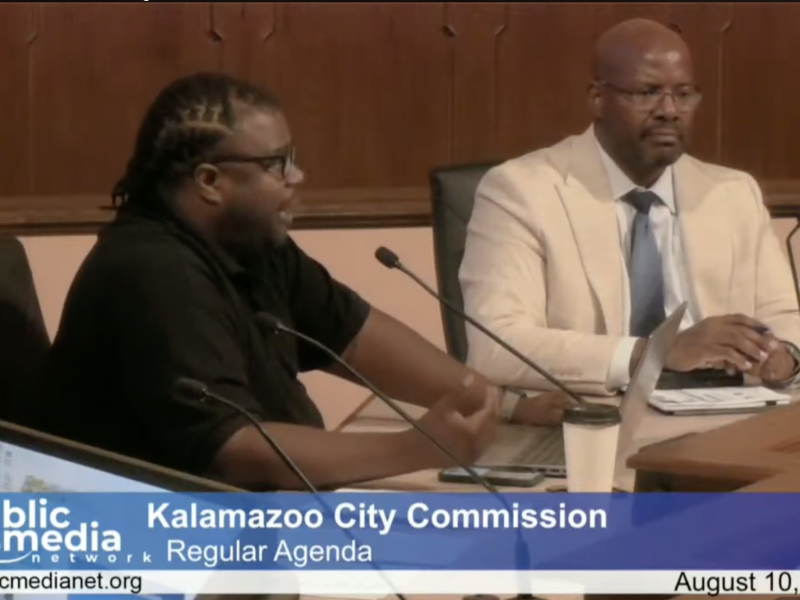
“It starts with the chairperson who has made it obvious to me in the last two years that he does not want to find a workable solution,” Assistant Drug Prosecutor Ken Stecker said. Chair Jeremiah Jones immediately interrupted him. “I’m gonna hold you up right there, man, and I’m gonna subtract that from your time and you can have your full three minutes,” Jones said. “But from you right now till anybody else that wants to come up, if you talk to anybody specifically, it’s off limits and I’m gonna end it.” Jones added he would turn off the mics of anyone who uses personal attacks at any of the commissioners. “I’m not gonna be intimidated by you,” Stecker responded before continuing. The back-and-forth highlighted the strain between the prosecutor’s office and some commissioners, tensions that prosecutors said have been building for months.