
Making a mess on purpose: Anna Barnhart’s path to art
One of Anna Barnhart’s guiding principles as an artist is to try new things, no matter how ridiculous they might seem. She uses nontraditional tools like Saran Wrap, bubble wrap, spatulas, and even frosting to create textures impossible with a traditional artist’s toolkit.
“I’m looking at shapes in general and thinking of new ways of making marks,” Barnhart said. “It’s more about what the subject demands. Bubble wrap is probably really good for dotty things like pebbles or flowers. I look at the general shape, make the mark first, play around with that, and then figure out what might work later.”
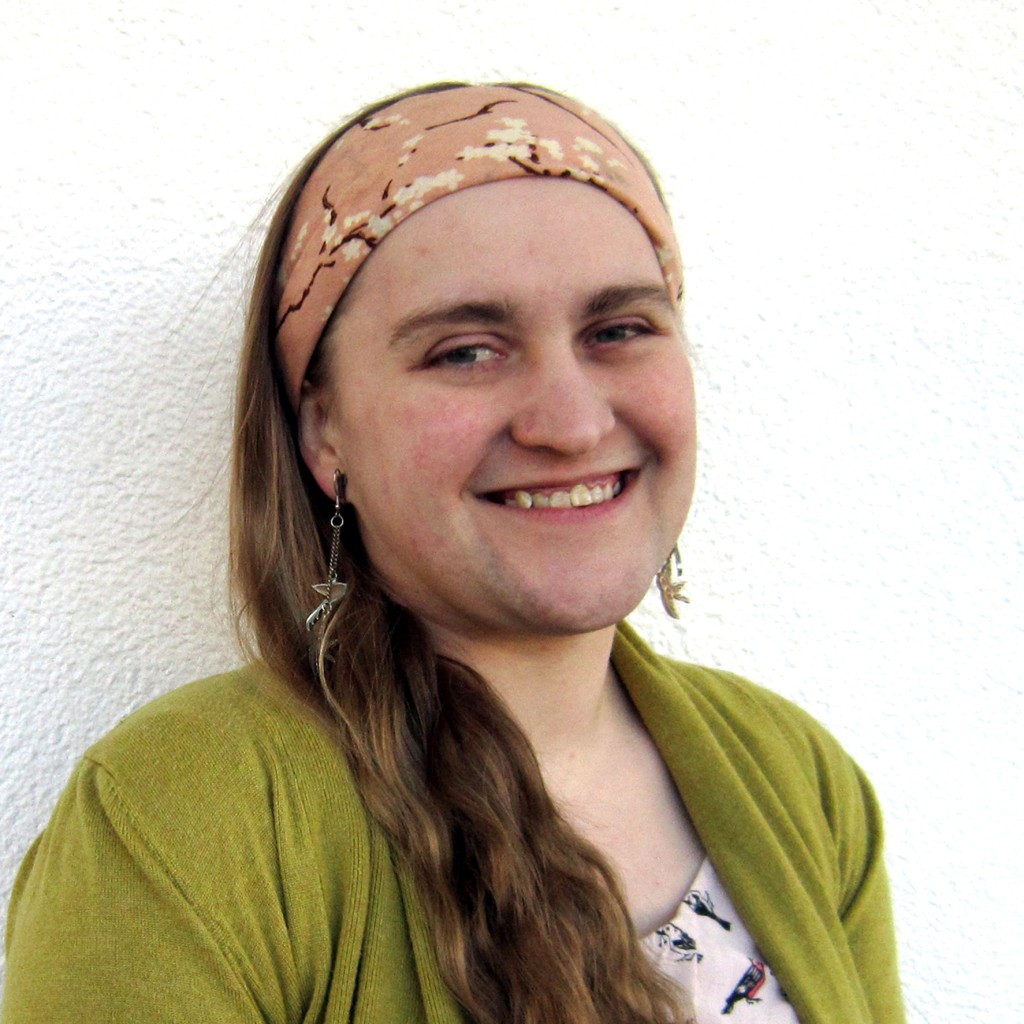
Anna Barnhart has never found herself doing things the way everyone else does. Whether it’s her unconventional path into becoming an artist or using Saran Wrap as a paintbrush, she has always taken the road less traveled.
The Kalamazoo-based artist found her passion like many of us do: by poking around with different ways to make art — or make messes — as a curious kid. She was drawn to anything hands-on, especially goop.
“Since I was a kid, I’ve loved hands-on stuff, and that’s actually what brought me back to it. I had a very nontraditional college experience,” Barnhart said. “Long story short, I need hands-on goop. I tried other things in college, a lot of computer-based work here and there, and I learned I can’t sit at a cubicle for eight hours. I need to do hands-on things and move around. So that’s what got me into art.”
College served as a break for Barnhart, forcing her to step away from making art and try things the more traditional way. And while she got close, Barnhart ultimately left school for her true passion: examining the world through her whimsical lens with art, not science.
Those two disciplines, however, still meet in her work.
Barnhart says she has always loved science and even pursued a minor in physics while earning her animation degree from Kalamazoo Valley Community College. That interest helped her realize she needed a career that wouldn’t tie her to an office all day. After finishing that degree, she turned back to what she loved: making art and teaching others.
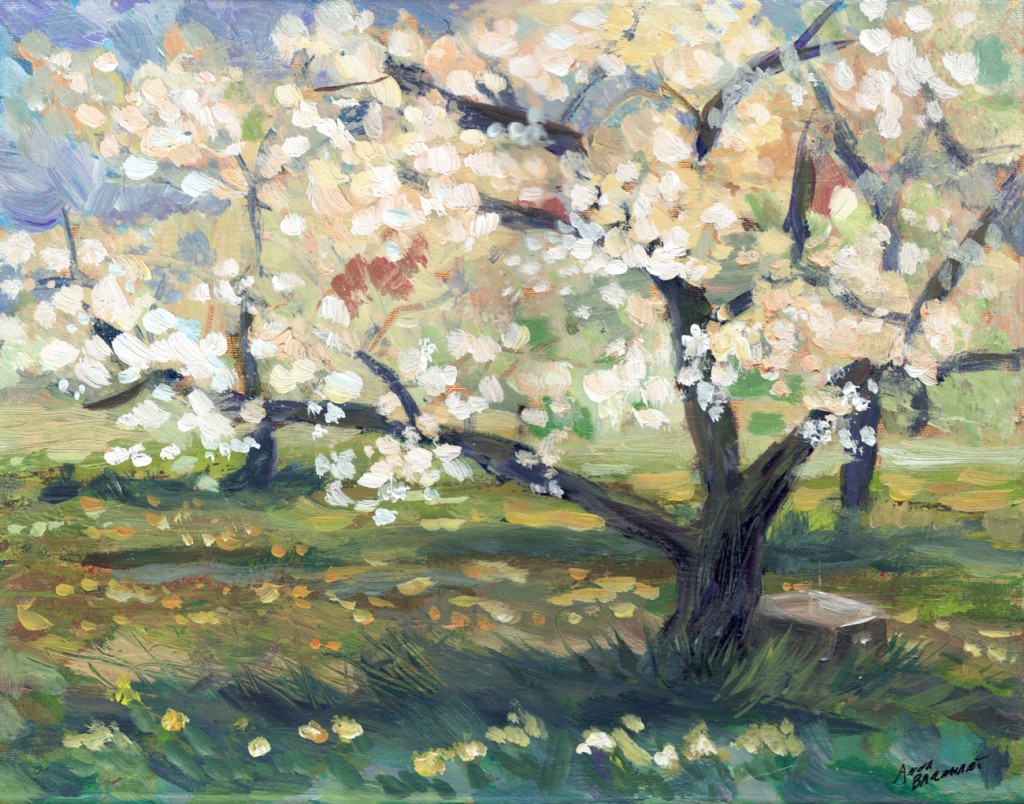
Creating and teaching
Part of Barnhart’s mission is spreading her unique methods and practices through classes and community events. Most recently, she finished her time as maker-in-residence artist at Portage District Library, where she held drop-in hours and workshops.
Her favorite part of that time was teaching adults to be messy.
“One of my favorite things about teaching art is working with adults specifically, because they forget how to play,” Barnhart said. “They get stuck in that mode of perfection — ‘Oh no, what if something goes wrong?’ It’s okay. I love making messes with them, troubleshooting, and getting them to try something outside their comfort zone. They might not even like it, but they tried something new.”
She practices what she preaches. One of Barnhart’s guiding principles as an artist is to try new things, no matter how ridiculous they might seem. She uses nontraditional tools like Saran Wrap, bubble wrap, spatulas, and even frosting to create textures impossible with a traditional artist’s toolkit.
“I’m looking at shapes in general and thinking of new ways of making marks,” Barnhart said. “It’s more about what the subject demands. Bubble wrap is probably really good for dotty things like pebbles or flowers. I look at the general shape, make the mark first, play around with that, and then figure out what might work later.”
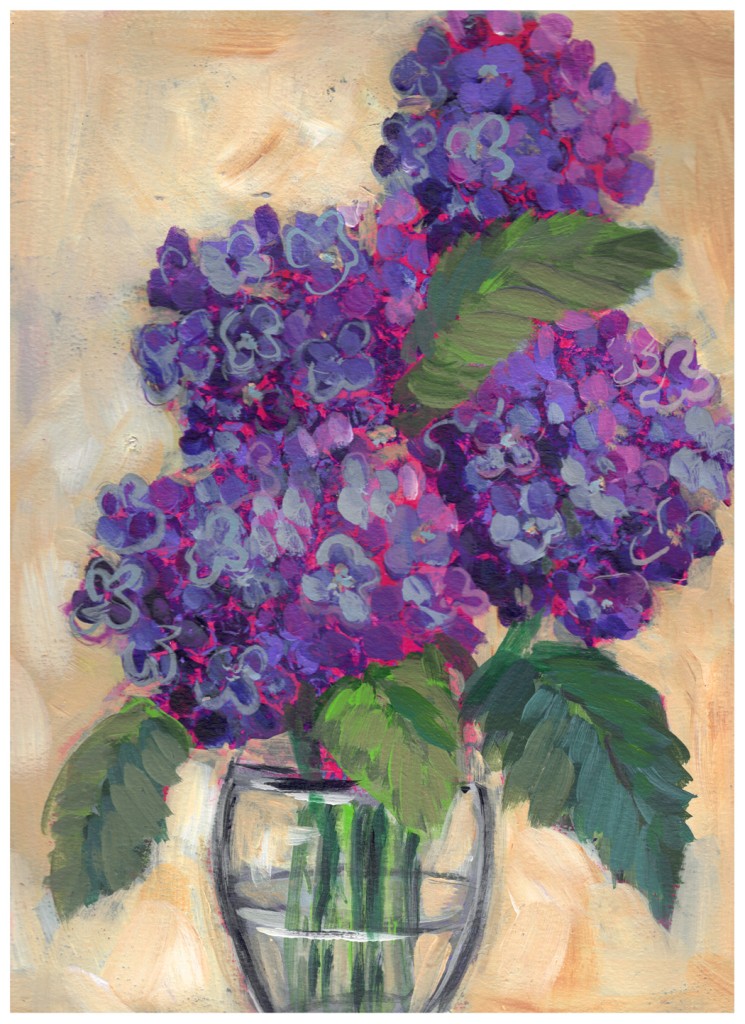
Barnhart recently brought those methods into a community-oriented art project with children in one of her classes. She asked them to create a molecule representing who they are — their strengths and weaknesses shown through different colors and materials.
As part of the project, she encouraged students to use whatever best represented them, whether that meant a specific color or a spatula to create a certain texture. Barnhart encouraged the kids to make a scientifically-based mess.
“The idea is that you’re not going to have all the same strengths and interests as other people,” she said. “That’s the whole point. We need each other’s interests and skills to be part of a community. Using the idea of a molecule, you get multiple interests in one shape, and with the color coding you get something readable. Other people can see, ‘Hey, this one’s just like me. This one’s not like me at all,’ and we’re all still part of that community.”
Since Barnhart never outgrew the creative messes she perfected as a kid, she figured she might as well pass them on to the next generation.
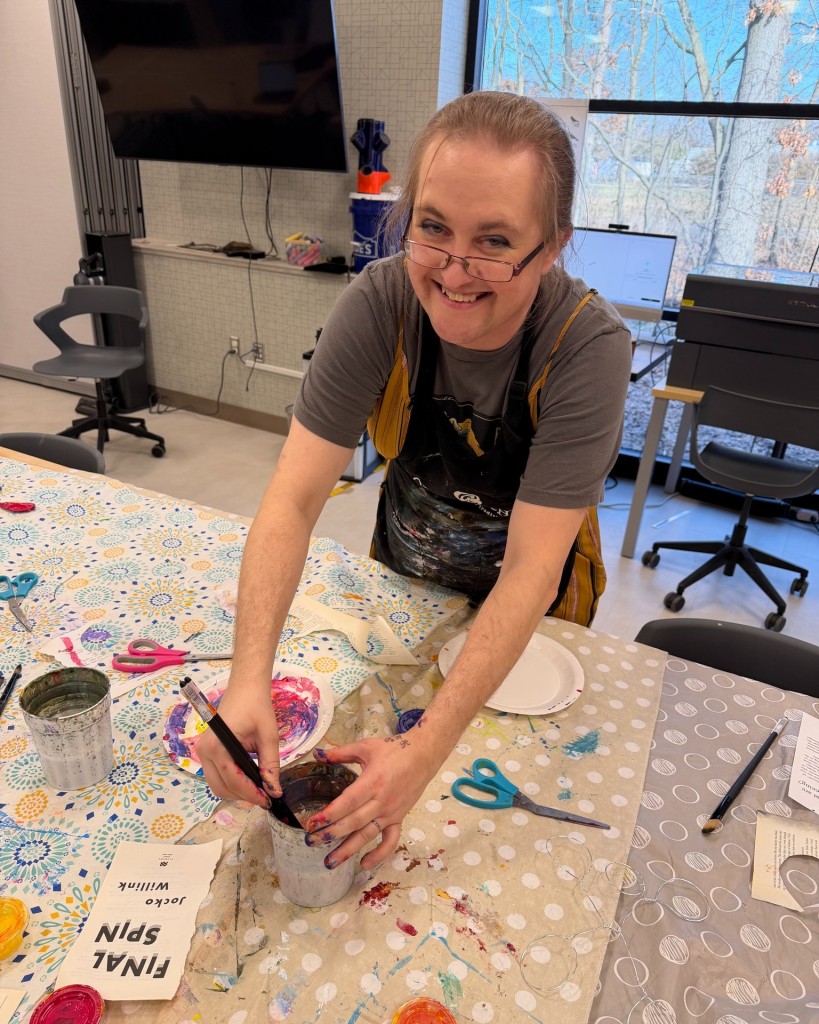
In addition to teaching kids and adults a crash course in intentional mess-making, Barnhart also runs a YouTube channel where she shares art tips, advice on making a living creatively, and updates on her own work.
Art with a higher power
Sometimes Barnhart’s work goes beyond playful messes and, as she describes it, is created through conversations directly with God.
“God absolutely talks to me in words, and what some people call visions — really just images in your head or little moving videos in your head that I can see,” Barnhart said. “Sometimes I’ll get pictures meant to encourage other people. I may not know what they’re dealing with, but they do, and it encourages them in a way I could not have planned.”
What Barnhart is describing is part of her process of creating prophetic art, often viewed as an artistic expression of what the artist believes God is saying or showing. It can be thought of as a visual representation of prayer.
In Barnhart’s case, it is exactly that. She views prayer as a two-way conversation that, when listened to, can lead to ideas — artistic and otherwise — that she believes she would not have conceived on her own.
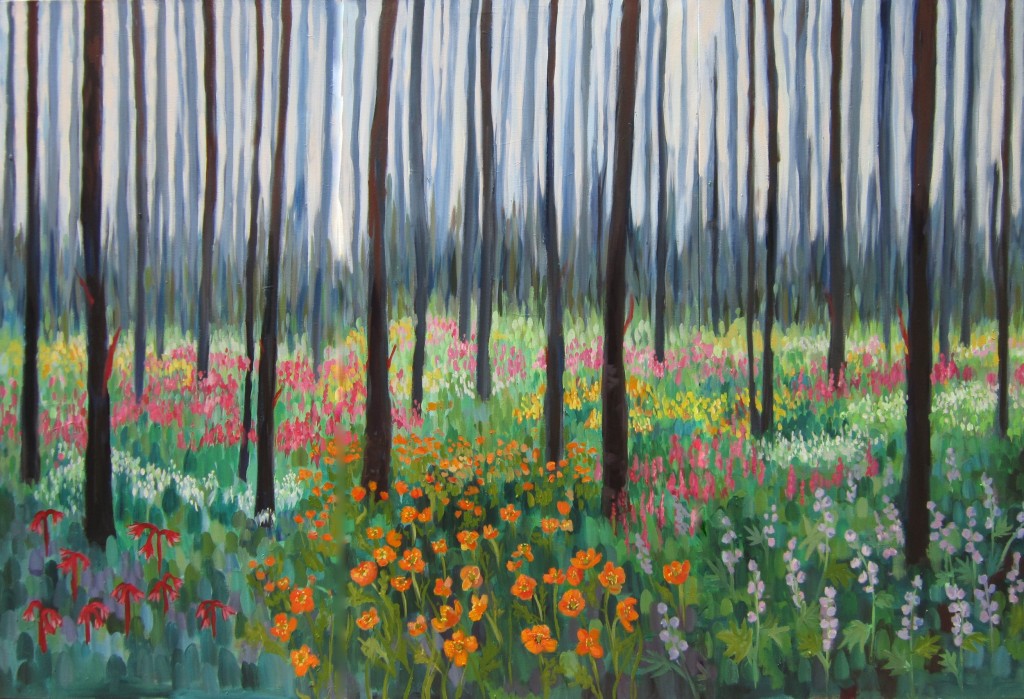
“The funny thing about prayer is that I absolutely believe it’s a two-way conversation. We just don’t often take time to listen,” Barnhart said. “As a Christian, I believe God is constantly talking to us in different ways because people hear differently. The way He speaks to me can be very clear in my head when I’m quiet and listening, or while I’m journaling.”
She added that she stays in touch with other prophetic artists to ensure those experiences remain grounded in her faith practice and discernment.
The nature of her prophetic creations varies. Sometimes they emerge through a multiday process of listening and reflection to understand both the image and how its meaning should be portrayed. Other times, Barnhart creates live prophetic works during church services inspired by that day’s teaching.
Sometimes, she said, she has to turn away from the congregation and pray at the easel for direction.
“The process of watching me is more the point than the finished image,” Barnhart said. “The finished image might not hold up in an art gallery, but the process tells the story and can lead to surprising things. I’ve painted live for fundraisers for Destiny Rescue, which fights sex trafficking. Sometimes it happens in my studio work too. It’s a different kind of play, a different kind of listening. It may be a more polished piece, but it speaks to people on a different level because it carries more story and meaning.”
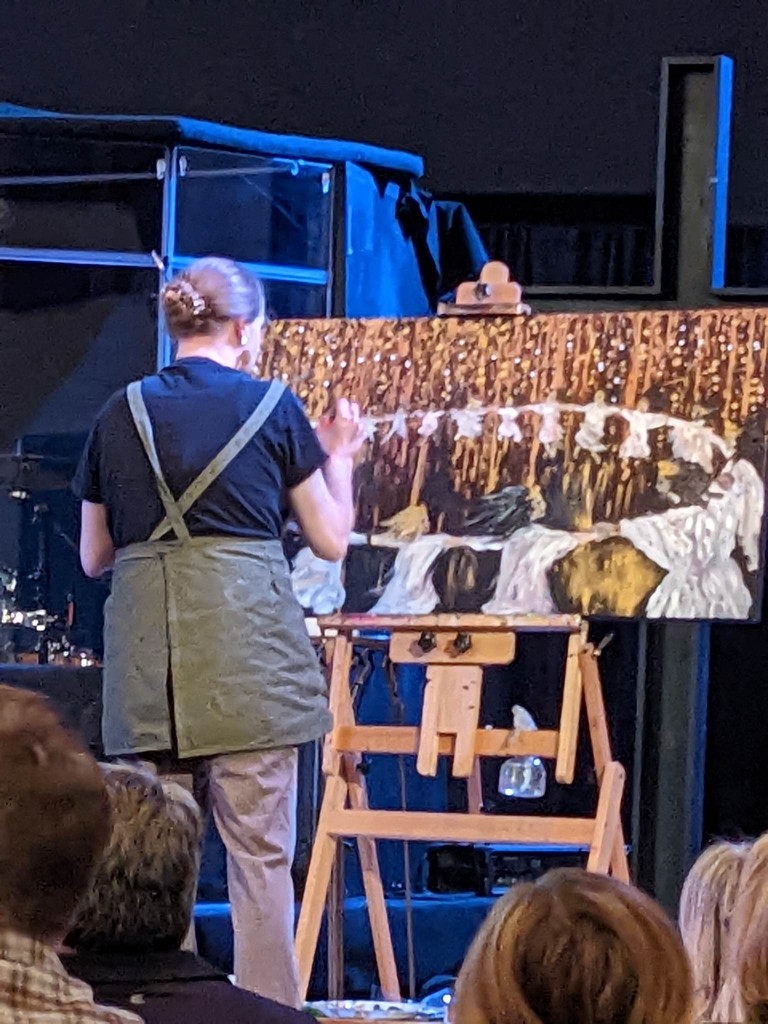
One challenge Barnhart has encountered is being unable to sell some prophetic art at certain fairs because of its religious context. She said some events ban religious artwork because of the reactions it can provoke.
While Barnhart respects those rules, she still hopes people continue thinking beyond what the eye can see. That, she says, is part of why she makes art for a living.
“There’s something more to life than just what’s going on right now, even though life can feel so physical,” she said. “Humans are multilayered beings. We know there’s something more. Even if you’re looking at colored mud and cute illustrations, I want people to feel encouraged. There’s joy in living beyond what’s right in front of us. It’s a human-made thing, so there’s part of me in there too — and that becomes a connecting thing.”
Maxwell Knauer is a staff writer for Watershed Voice.
Author

Related Articles
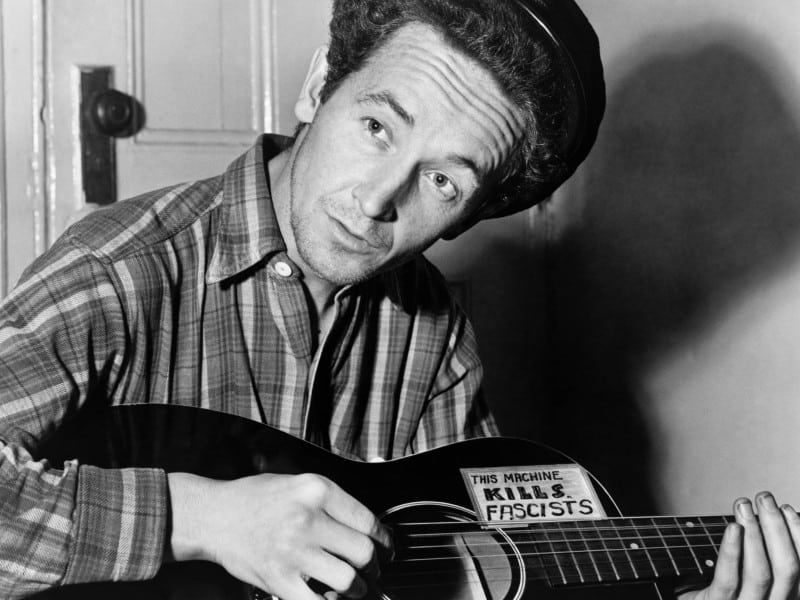
See ‘A Better World A Comin,’ Woody Guthrie tribute at the Riviera this month
A group of local musicians will present an evening of music by Woody Guthrie at the Riviera Theatre and Bar in Three Rivers on Saturday, October 24 at 7:30 p.m. Proceeds will benefit The Huss Project, a community center owned and operated by Three Rivers nonprofit *culture is not optional.
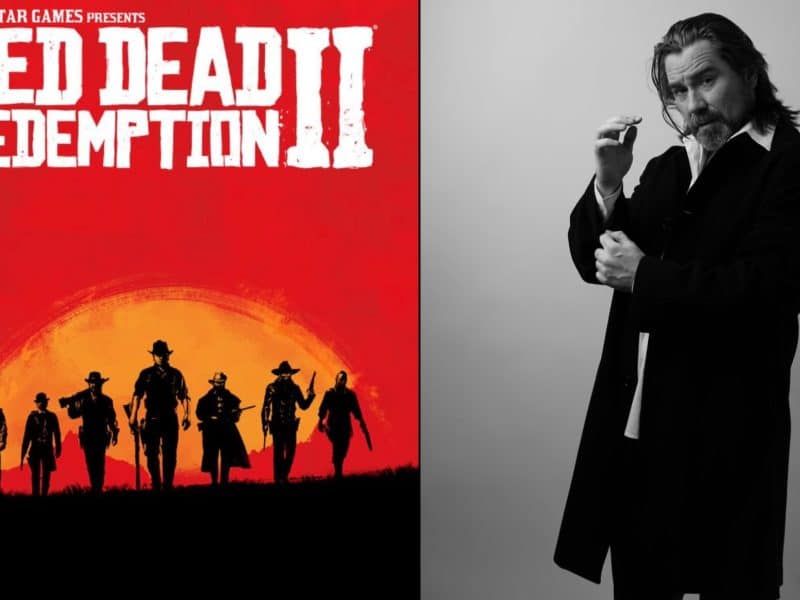
Geek Fest returns to Kalamazoo this weekend
Geek Fest returns to the Kalamazoo County Expo Center on Saturday, October 10, from 11 a.m to 3 p.m., bringing together gaming enthusiasts, artists, and fans of all things geek-related for an afternoon of activities.
One of this year’s featured guests is Roger Clark, the actor best known for portraying Arthur Morgan, the main protagonist of Rockstar Games’ critically acclaimed 2018 video game Red Dead Redemption 2.

Listen: Good Grief. Podcast, Episode 9
In this episode of Good Grief., Aundrea Sayrie explores Black grief, the toll of repeated loss and racial injustice, and the psychological refuge mechanisms folks develop to survive what sometimes feels impossible to process.
