
Listen: Good Grief. Podcast, Episode 10
In this episode of Good Grief., Watershed Voice's Aundrea Sayrie discusses psychological refuge tools, and the ways we learn to protect ourselves when life becomes too painful or overwhelming.


In this episode of Good Grief., Watershed Voice's Aundrea Sayrie discusses psychological refuge tools, and the ways we learn to protect ourselves when life becomes too painful or overwhelming.
In this episode of Good Grief., Aundrea Sayrie explores Black grief, the toll of repeated loss and racial injustice, and the psychological refuge mechanisms folks develop to survive what sometimes feels impossible to process.
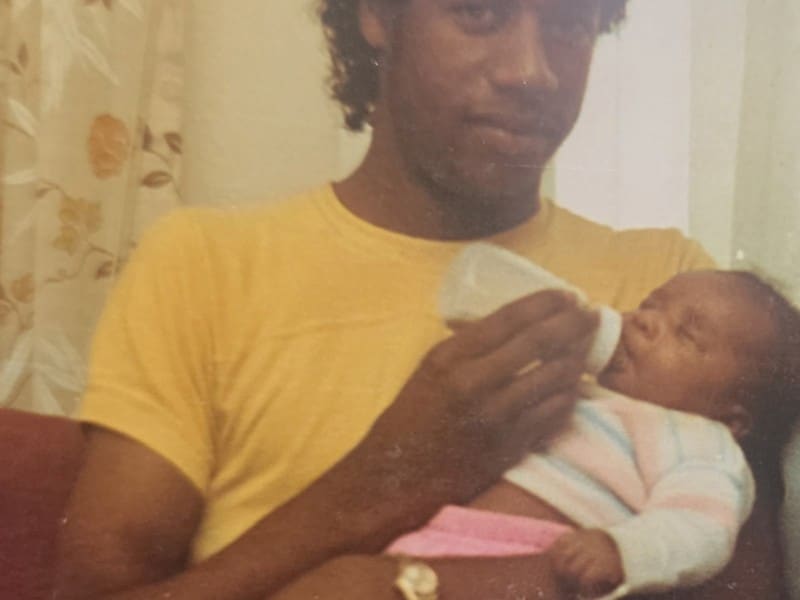
In the eighth episode of the Good Grief. Podcast, Aundrea Sayrie reflects on her late father who died just over a year ago. Aundrea writes about memories, trials, and tribulations related to her father, and how she has navigated through her grief over the past year.
Grievers are all around us and most of the time, we have no idea. In recognition of National Grief Awareness Day, August 30, this episode of Good Grief. explores what awareness asks of all of us.

We’re told to grieve alone, in private, but why? In the sixth episode of the Good Grief. Podcast, Watershed Voice’s Aundrea Sayrie discusses what grief is, how we do it, and why we need others to witness it.

We hear it all the time: just give it time. In the fifth episode of the Good Grief. Podcast, Watershed Voice’s Aundrea Sayrie unpacks what happens when we stop waiting for the pain to disappear and start intentionally tending to the places that still hurt.

In the fourth episode of the Good Grief. Podcast, Watershed Voice’s Aundrea Sayrie examines one of the biggest misconceptions about grief – "[it] only happens when someone dies." "As I reflected I realized something that on one hand, the level of grief I experienced losing my mom was unlike anything I had ever experienced. But on the other, it was quietly familiar. "Not in its intensity. But in its depth. In its ache. I began to recognize grief at the edge of nearly every significant loss I'd experienced since childhood. I simply hadn't known to call it grief."

In the third episode of the Good Grief. Podcast, Watershed Voice's Aundrea Sayrie explores one of the most common misconceptions surrounding grief: the Five Stages of Grief. "Many of us have searched for ourselves somewhere between denial, anger, bargaining, depression, and acceptance, wondering why our grief didn't seem to follow the 'right' order. The truth may surprise you."

In the second episode of the Good Grief. podcast, Watershed Voice's Aundrea Sayrie shares the deeply personal reason behind her passion for grief education, healing, and emotional wellness. "Grief is not one thing. It is not one emotion. It is not one dimensional. Looking back, I realize grief has been a quiet companion for much of my life. Not only through death, but through survival."

In this first episode of the Good Grief. Nano Learning Podcast, Watershed Voice's Aundrea Sayrie begins by exploring what grief is, and what it isn't. Together, you'll unpack common misconceptions, challenge unrealistic expectations, and create space for honest conversations about healing, loss, and life after change. Whether you're grieving the loss of a loved one, a relationship, your health, a dream, or another significant life transition, you're welcome here. Aundrea's hope is that each short episode leaves you feeling seen, informed, and a little less alone.

A NOTE FROM OUR EDITOR
Become a monthly donor today
A monthly donation of $5 or more can make a difference.