
Good Grief. The Mother Wound, Part Six
In The Mother Wound, Part Six, Watershed Voice columnist Aundrea Sayrie writes, “Many mothers carried wounds no one ever helped them unpack.
“Some were parenting while grieving. Some were surviving a dark reality while mothering. Some were trying to love from places within themselves that had never fully been loved gently either.
“And while that does not erase the pain some children experienced, it does create room for something many people eventually wrestle with as adults:
“The realization that their mothers were human long before they were ‘mom.'”
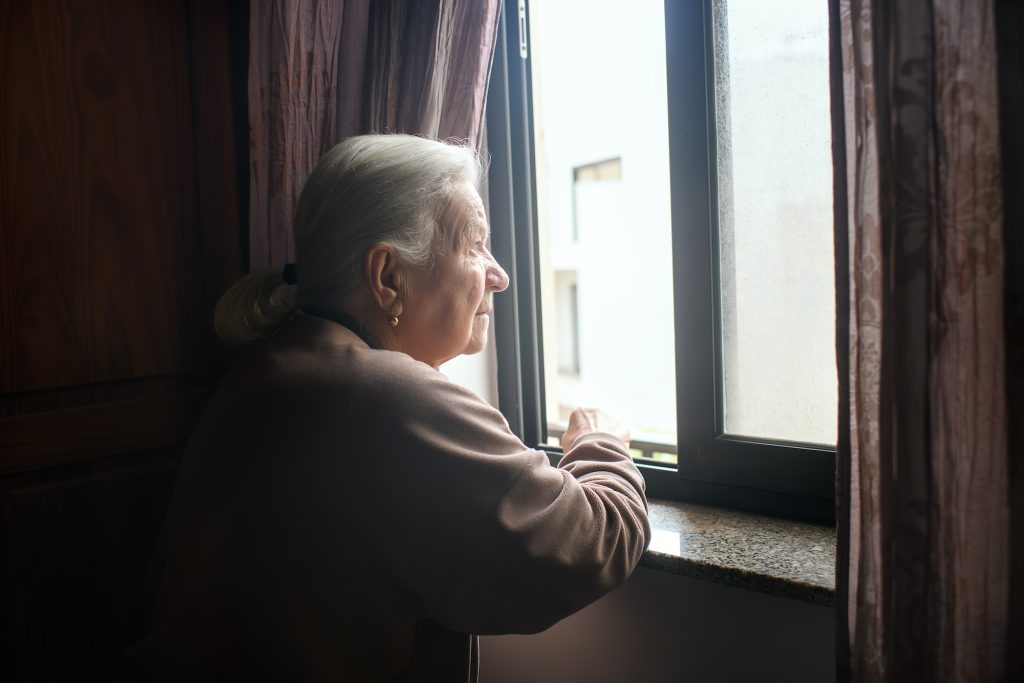
Good Grief. is a dedicated space to explore how loss lives in our everyday lives and its impact on mental health. Written through the lens of lived experience, it examines the quiet ways grief shows up. In our bodies, our relationships, and the patterns we carry. Creating space for awareness, honesty, and repurposing pain.
If you haven’t read any of the previous parts of The Mother Wound series, click here.
One of the last memories I have of my mother is watching her blush and giggle on the phone with a gentleman.

Seeing her that carefree stayed with me.

The same modest woman who awkwardly stumbled her way through conversations about the birds and the bees blushing and giggling. There was something so sweet and deeply human about her shyness in that moment.

My mother always felt larger than life to me.

A single mother of four adopted children, a foster mother to hundreds of others, differently abled, and the only girl among thirteen siblings… there did not seem to be an obstacle she could not overcome. Loving, composed, disciplined, and mild-mannered.

To me, she was a superhero.

But in moments like that one, I could see beyond the role she carried for everyone else.

She was older.
She was vulnerable.
She was human.

And at the end of the day, she was simply doing the best she could in a position that never came with a roadmap.

Just like so many mothers do.

Somewhere along the way, many women became responsible for holding entire families together themselves.

Expected to nurture.
To sacrifice.
To endure.
To keep showing up no matter what.

Many mothers carried wounds no one ever helped them unpack.

Some were parenting while grieving.
Some were surviving a dark reality while mothering.
Some were trying to love from places within themselves that had never fully been loved gently either.

And while that does not erase the pain some children experienced, it does create room for something many people eventually wrestle with as adults:

the realization that their mothers were human long before they were “mom.”

Human before the responsibilities.
Before the expectations.
Before survival became their personality too.

I think sometimes daughters grow up seeing their mothers only through the lens of what they needed from them.

And that longing is real.

But healing can also invite a person to slowly ask:

What did life ask my mother to carry before she ever carried me?

Who comforted her?
Who softened her fears?
Who taught her safety?
Who supported her and reminded her she was allowed to rest?

Some mothers were never mothered gently themselves.

And still… they kept going.

Motherhood is often thankless work.

Invisible work.

Continual work.

And many women spend years pouring from places within themselves that are already exhausted.

That is why grace matters.

The kind that allows room for humanity.

accountability and compassion.

Room to acknowledge:

“That hurt me.”

while also understanding:

“You may have been hurting too.”

And perhaps

Softness can exist.

Emotional safety can exist.

Future generations deserve more language, more honesty, more support, and more room to simply be human.

To the mothers who kept going while carrying more than anyone knew…

this reflection is for you too.
Aundrea Sayrie is a writer, narrator, advocate, and the creator of Good Grief., a reflective platform exploring grief, belonging, identity, healing, and intentional living through storytelling and spoken reflection. Drawing from lived experience, community advocacy, and creative expression, her work centers emotional honesty, connection, and giving language to the experiences many people struggle to name. She truly believes the only thing worse than hurting is hurting alone and hopes to be a companion to others through their healing journey.
If you would like to support her work as an independent writer and creative, donations can be sent via Cash App: $Asayrie
Any views or opinions expressed in this column are those of the author and do not necessarily reflect the views or opinions of the Watershed Voice staff or its board of directors.
Author

Related Articles
Listen: Good Grief. Podcast, Episode 10
In this episode of Good Grief., Watershed Voice’s Aundrea Sayrie discusses psychological refuge tools, and the ways we learn to protect ourselves when life becomes too painful or overwhelming.
Listen: Good Grief. Podcast, Episode 9
In this episode of Good Grief., Aundrea Sayrie explores Black grief, the toll of repeated loss and racial injustice, and the psychological refuge mechanisms folks develop to survive what sometimes feels impossible to process.
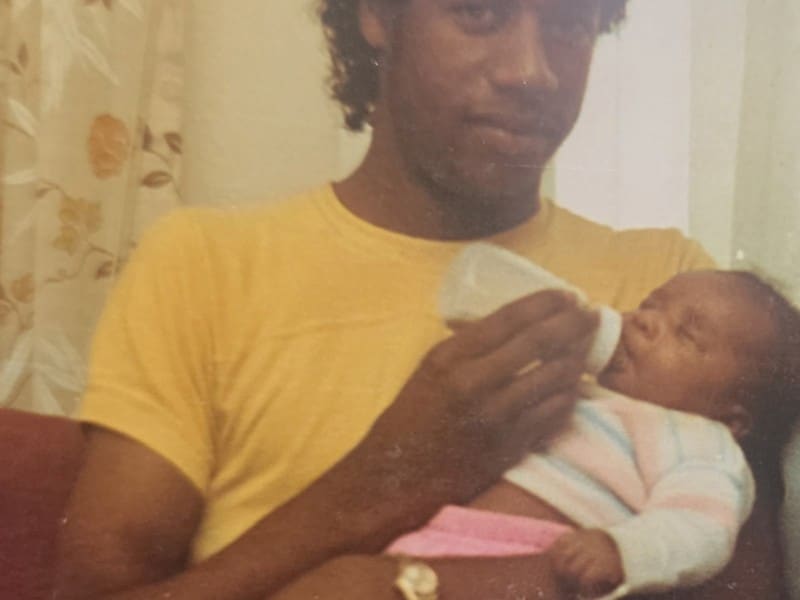
Listen: Good Grief. Podcast, Episode 8
In the eighth episode of the Good Grief. Podcast, Aundrea Sayrie reflects on her late father who died just over a year ago. Aundrea writes about memories, trials, and tribulations related to her father, and how she has navigated through her grief over the past year.
