
Candidate questionnaire: Josh Hoeppner
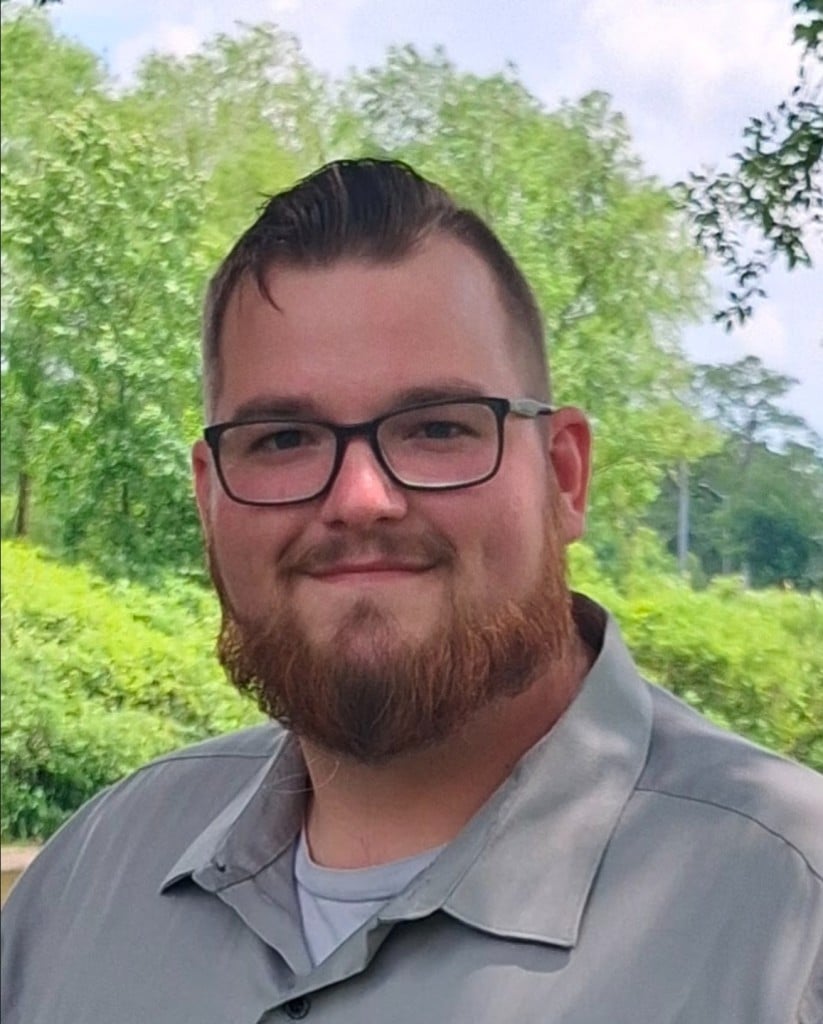
Josh Hoeppner Three Rivers Second District Commissioner candidate filled out our questionnaire, here are his answers.
The following is Watershed Voice’s candidate questionnaire for the November 2026 local elections. We will be running all remaining candidate questionnaires in the order received today and tomorrow — our regular publishing schedule.
Josh Hoeppner, Three Rivers Second District Commissioner candidate filled out our questionnaire, below are his answers as submitted. Hoeppner is a challenger running against incumbent Steven Haigh.
Name: Josh Hoeppner
Age: 29
Are you an incumbent? No
Family (optional): The candidate chose not to answer this optional question.
Background/bio
Hi I am Josh Hoeppner, I work in the insurance inspection industry, where attention to detail, responsibility, and honesty are a part of my everyday job. I believe in hard work, treating people with respect, and giving back to the community that’s given so much to my family.
Why did you decide to run for this position, and what do you hope to accomplish if elected?
I decided to run for City Commissioner because I care about the future of Three Rivers and want to ensure residents have a voice in local government. If elected, I will promote transparency and accountability, advocate for better roads and infrastructure, and make decisions that reflect the needs of our community.
What professional, personal, volunteer or public-service experience has prepared you to serve in this role?
My experience in insurance inspections has taught me accountability, attention to detail, and objective problem solving. Through my campaign, I’ve learned the importance of listening to residents and promoting transparency. I will bring these values to the role and work to represent the 2nd District honestly and responsibly.
How will you engage with and remain accessible to constituents outside of regular commission meetings?
I will remain accessible by maintaining open communication with the residents through email, phone, social media, and community events. I will listen to concerns, respond in a timely manner, and follow up on issues to ensure their concerns are heard outside of commission meetings.
What do you believe is the most significant issue facing the city right now, and what specifically Should the commission do about it?
I believe one of the most significant issues the city is facing is ensuring safe, reliable water quality for every resident. We need to address aging water infrastructure, monitor water safely closely, and provide clear, timely information about testing results and potential concerns. By listening to residents, working with city staff and water experts, and holding ourselves accountable, we can make informed decisions that protect public health and benefit our entire community.
What do you do for work, and how do you spend your time outside of work and public service?
I am an insurance inspector. In my free time I usually spend time with my family and friends.
Serving on the commission requires attending meetings, reviewing agenda materials and communicating with residents outside of meetings. How will you make sure you have enough time to fulfill those responsibilities?
I will manage my time by setting aside dedicated time for commission responsibilities, preparing for meetings in advance, and keeping myself organized with a clear schedule. I understand that serving as a commissioner is a commitment, and I will make it a priority to remain engaged, accessible to residents, and accountable to the community.
What do you believe are the most important responsibilities of city government, and what should its role in the everyday lives of residents?
I believe the most important responsibilities of city government are maintaining safe roads and infrastructure, providing essential services, managing taxpayer dollars responsibly, and ensuring transparency and accountability. The city government should make everyday life better for residents without overstepping its role. We should listen to our community, address local concerns, and make practical decisions that protect residents’ quality of life and serve the best interests of the entire city.
Commissioners will inevitably disagree with one another. How would you approach disagreements with fellow commissioners while still working effectively as a governing body?
I believe disagreements are a natural part of the local government, and different perspectives can lead to better decisions. I would approach disagreements with respect, listen to opposing viewpoints, and focus on facts and what is best for our community rather than personal differences. Even when we disagree, we must work together professionally, remain transparent, and keep the needs of our residents as our top priority.
What is your position on the development of data centers and related infrastructure in the city? What factors should the commission consider when deciding whether to approve or support such development?
I do not believe Three Rivers is the right location for a data center. I am concerned about the potential strain on our infrastructure, energy and water resources, and the long-term costs to our community. Our priority should be protecting residents’ quality of life and making responsible decisions that serve the best interests of Three Rivers. I would not support moving forward without clear evidence that the project is appropriate for our community and that residents would not bear the burden of its costs.
Describe a personal experience you’ve had with local government—positive or negative—that shaped how you think the government should serve residents.
When I worked with Three Rivers officials to address a neighborhood road and drainage problem, I saw how much residents depend on local government to listen, communicate clearly, and follow through. That experience shaped my belief that government should put residents first, carefully evaluate the long-term costs and benefits of major projects, and ensure that development truly serves the community rather than placing unnecessary strain on local infrastructure, energy resources, or taxpayers.
Related Articles
Candidate questionnaire: Steven Haigh
Steven Haigh Three Rivers Second District Commissioner candidate filled out our questionnaire, here are his answers.

Watershed Voice’s candidate questionnaire guide
For those planning to vote this week, the following completed questionnaires will be published throughout the week in this order:
Tuesday: Lucas Allen and Josh Williams
Wednesday: Steven Haigh and Josh Hoeppner
Thursday: Aaron Miller, Barry Cox, Justin Wickey, and Jonathan Lindsay
Candidate questionnaire: Lucas Allen
Lucas Allen, Three Rivers At-Large Commissioner candidate filled out our questionnaire, here are his answers.
