
ICYMI: Kalamazoo Commission splits, approving controversial $490K grant from DOJ
The decision comes months after the commission declined to accept a separate $1.25 million grant through the DOJ’s Community Oriented Policing Services (COPS) Hiring Program. The grant would have funded 10 additional public safety officers, with the city contributing another $270,000.
The proposal was removed from the commission’s March 2 and April 6 agendas amid concerns about the grant’s conditions, including those related to immigration enforcement.
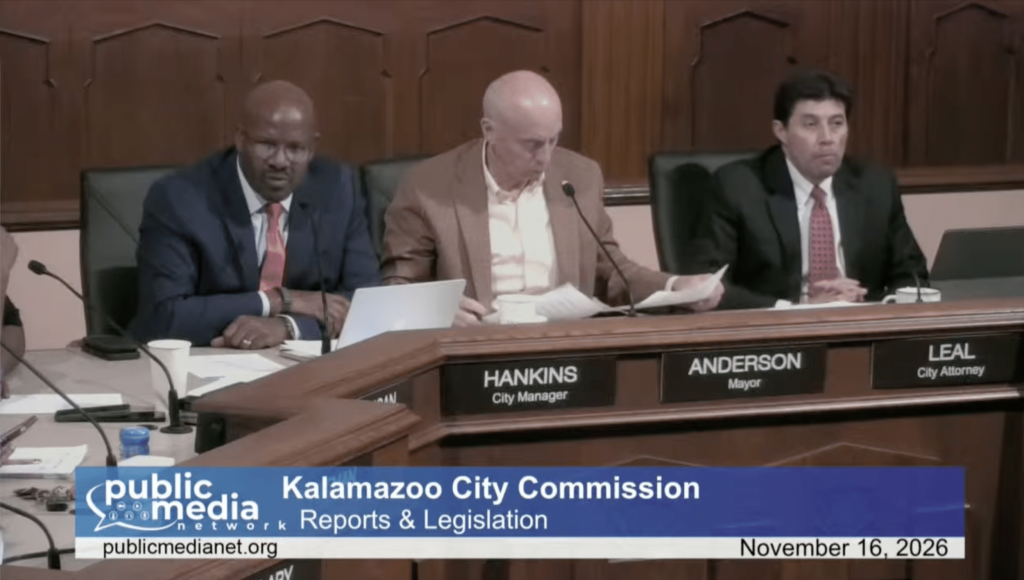
During their regular business meeting on Monday, November 16, the Kalamazoo City Commission accepted a federal grant for Public Safety patrol vehicles for $490,000 from the Department of Justice (DOJ). The grant has drawn criticism because it includes conditions related to federal immigration enforcement, including restrictions on local policies that would prevent government agencies from sharing immigration-status information with the Department of Homeland Security.
Commissioners discussed these stipulations as part of their consideration of accepting the grant, however, voted in favor 5-2. Commissioner Jae Slaby and Vice Mayor Drew Duncan voted no, while Commissioners Alonzo Wilson, Chris Praedel, Jeanne Hess, Stephanie Hoffman, and Mayor David Anderson voted yes.
The decision comes months after the commission declined to accept a separate $1.25 million grant through the DOJ’s Community Oriented Policing Services (COPS) Hiring Program. The grant would have funded 10 additional public safety officers, with the city contributing another $270,000.
The proposal was removed from the commission’s March 2 and April 6 agendas amid concerns about the grant’s conditions, including those related to immigration enforcement. With the acceptance deadline approaching and no additional meetings scheduled, the grant was effectively rejected.
Monday’s item was originally listed as part of the consent agenda, however, Vice Mayor Duncan asked it be brought to the regular agenda for commissioners to consider, due to the stipulations it provided on immigration enforcement.
City Attorney Aaron Leal reported that a number of states, including Michigan, are in the middle of a legal battle challenging the DOJ, seeking relief on the stipulations tied to the funding. Leal said a judge had initially ruled in favor of the states, but the city had not yet received the specific language of the ruling, leaving uncertainty about whether the grant conditions would remain enforceable.
“States have fought vigorously to get these types of conditions not to be enforced and they’ve been largely successful across the country,” Leal said.
With a November 24 deadline to accept the grant, Monday’s meeting was the commission’s last regularly scheduled meeting before a decision was required.
Slaby said she was hesitant to support the grant without a “sunset provision” that would allow the city to withdraw if the courts ultimately upheld the disputed immigration conditions.
Duncan also questioned what recourse the city would have if the courts upheld the conditions. Leal said the rulings could be appealed to a higher court and that nothing would prevent the city from returning the grant money. However, he cautioned that doing so could potentially impact the city’s eligibility for future funding of this type.
Stipulations
The $490,000 grant comes with 52 conditions, many concerning civil rights protections, financial oversight, and compliance with federal law. Two conditions specifically address cooperation with federal immigration enforcement.
Condition 51 prohibits use of grant funds to restrict government agencies or officials from exchanging citizenship or immigration-status information with the Department of Homeland Security. It also prohibits such restrictions within programs or activities funded by the grant.
Condition 52 prohibits the use of grant funds to publicly disclose certain federal law-enforcement information for the purpose of concealing or shielding individuals from federal authorities. This includes information concerning immigration enforcement operations.
Both conditions specify that they are enforceable only to the extent permitted by federal law and applicable court rulings.
This is a developing story as court decisions are still being made. Watershed Voice will provide updated coverage as information is available.
Maxwell Knauer is a staff writer for Watershed Voice.
Author
Related Articles

In Detail: City manager shakeups across southwest Michigan
In Watershed Voice’s coverage area, five city managers have either left their positions or announced plans to depart over the last year and a half, citing reasons ranging from controversy and new opportunities to retirement.
In this story Watershed Voice will go through each city manager, their tenure, and why they’re leaving.

Struggling to make ends meet? Here’s where to find assistance in southwest Michigan
As winter approaches, residents of St. Joseph, Cass, and Kalamazoo counties struggling to afford groceries, housing, utilities, healthcare, and other necessities have several resources available to them.
Watershed Voice has compiled a list of organizations and programs offering assistance throughout the region.
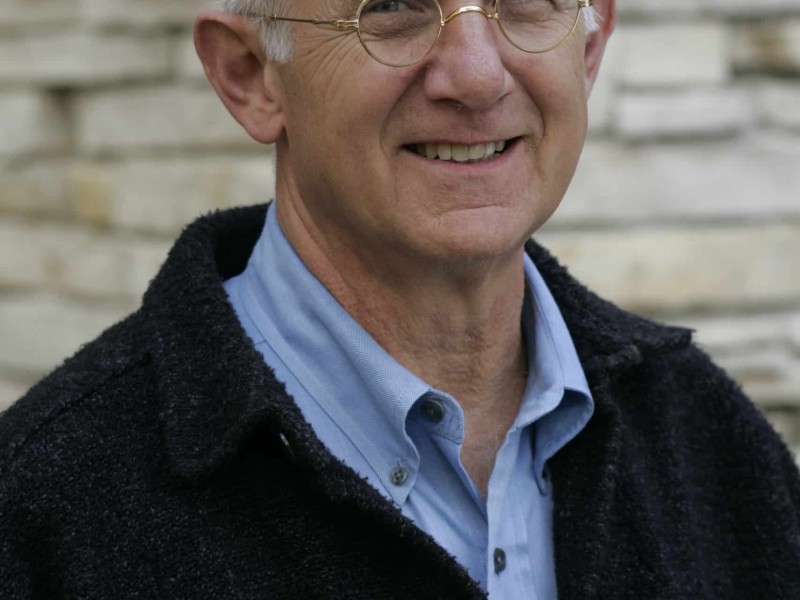
Celebrating the life of a Fetzer visionary: Robert F. ‘Rob’ Lehman
Robert F. Lehman became president of the Fetzer Institute in 1989, guiding its pioneering exploration of the relationship between mind, body, and spirit. Under his leadership, the Institute supported groundbreaking research in mind-body health, contemplative practice, and human development, including the Emmy Award-winning PBS series Healing and the Mind with Bill Moyers. He also established the Institute’s first fellows program and oversaw the opening of Seasons, its retreat center, in 1994.
