
For many veterans, hardships continue long after returning home
Watershed Voice spoke with Nicolette Cole, a Veteran Navigator with Pivotal, who helps veterans navigate the often-complicated process of accessing benefits and services.
Cole also discussed the stigma surrounding veterans seeking mental health care and the difficulties many face when navigating the system.
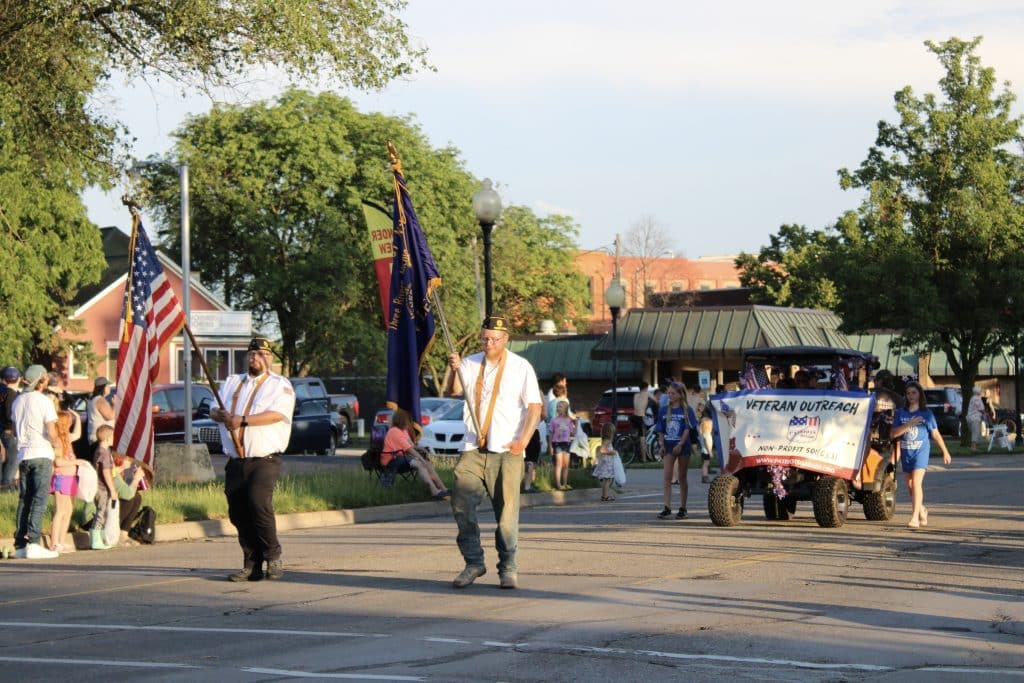
Tomorrow, Wednesday, November 11, is Veterans Day, a federal holiday honoring those who have served in the U.S. military and recognizing their sacrifices. While the day is often a time to celebrate veterans, it is also an opportunity to consider the challenges they face both during and after their service.
Watershed Voice spoke with Nicolette Cole, a Veteran Navigator with Pivotal, who helps veterans navigate the often-complicated process of accessing benefits and services. Cole also discussed the stigma surrounding veterans seeking mental health care and the difficulties many face when navigating the system.
“It’s a long process, and they always want more proof that they were in the service,” Cole told Watershed Voice. “You were hurt? But we want more proof that you were really hurt. So, yeah, I mean you kind of giggle about it, but you can’t because they’ve sacrificed so much for us and yet we have a hard time repaying them for that sacrifice that they made.”
Many of those challenges involve navigating the U.S. Department of Veterans Affairs (VA), which provides health care, disability compensation, and other benefits and services to eligible veterans and their families.
Cole works with veterans through Pivotal’s Certified Community Behavioral Health Clinic (CCBHC) program. Her work includes helping veterans navigate the VA, connecting them with services and providing someone to listen to their concerns.
Each case is different, depending on what help veterans are seeking and their experiences during military service. Some, however, are unsure what services they need or what benefits may be available to them.
“Whether it be mental or substance use, or it doesn’t have to be any of that. They just want somebody to talk to and relate to about stuff,” Cole said.
Cole offers to sit with veterans during their intake appointments to help advocate for the services they need, especially when they are hesitant to share their experiences.
That hesitation, Cole says, is one of the main barriers to veterans receiving care.
Transitioning from military service to seeking mental health care can be difficult, especially for those who have been taught to prioritize toughness and self-reliance.
“You sacrificed all this and you did all this, and you’re supposed to be that tough man or woman that fought for your country and you had to do this, and so now, how do I deal with this?” Cole said.
“A lot of it has to do with the stigma. They’re taught to be strong and brave and honorable, and well, how can I be strong, honorable in all this if I’m needing help now?”
Cole said she has recently seen an increase in Vietnam War veterans seeking services. She believes several factors could be contributing to the increase, including their age and conversations with fellow veterans.
Many of these veterans, Cole says, were reluctant to seek assistance after returning home because of the negative treatment they experienced from some Americans who opposed the war. Many veterans were spit on in airports and called “baby killers” upon their arrival, Cole said.
“They didn’t get a very nice welcome home when they went to war, so a lot of them have been against the VA for so many years, and now, you know, the changes have been better,” Cole said.
“A lot of them are in their 80s, and now [that they’re] trying to navigate [the VA] at 80 some years old is, you know, hard. And we’re coming up with a lot of people that have Agent Orange and are navigating all of that because that’s not a simple navigation.”
Agent Orange was a herbicide used by the U.S. military during the Vietnam War. Exposure has been linked to several serious health conditions, and qualifying veterans may be eligible for VA disability compensation and health care.
Despite the challenges, Cole says helping veterans finally receive benefits that had long gone without is one of the most rewarding parts of her work.
She recalled helping a veteran who had been exposed to Agent Orange and had spent years avoiding the process of seeking benefits.
The veteran and his wife had struggled to have children, and he blamed himself for their difficulties. After his wife’s death and as his own health declined, he eventually sought assistance.
Cole said they were ultimately able to establish his eligibility for compensation and secure a significant retroactive payment.
“He couldn’t bring back not having kids, his wife passing or any of the other elements that he lost along the way or endured, but just that peace of mind that you know he was given back a little bit of something that he deserved,” Cole said.
Looking ahead, Cole hopes to better educate young people entering the military about the benefits they may qualify for after their service.
She encourages service members to keep detailed records of their medical care and experiences during service, explaining that documentation can make a significant difference when applying for benefits later in life.
“I ask the kids to make sure you get everything down in writing. And as I tell all my veterans, keep a folder of everything. If you think this little hangnail that you got in boot camp, you know, was nothing? That hangnail may save you a long process.”
Regardless of age, Cole encourages veterans to seek out the services and benefits available to them, emphasizing that they have earned support through their service.
Veterans and their families seeking assistance in St. Joseph County can contact Pivotal’s Veteran Navigator program by calling 269-467-1000 or visiting Pivotal’s website. The program helps veterans navigate VA benefits, access mental health and substance abuse services, and connect with other community resources. Veterans do not need to have their military paperwork on hand to begin receiving assistance.
Veterans outside St. Joseph County can find information about benefits, health care, and other services through the U.S. Department of Veterans Affairs or by calling 1-800-827-1000 for benefits assistance. Veterans experiencing a mental health crisis can also call 988 and press 1, text 838255 or visit veteranscrisisline.net for free, confidential support.
Maxwell Knauer is a staff writer for Watershed Voice.
Author

Related Articles
Haak-Frost: Why you should join Watershed Voice at the movies this Saturday
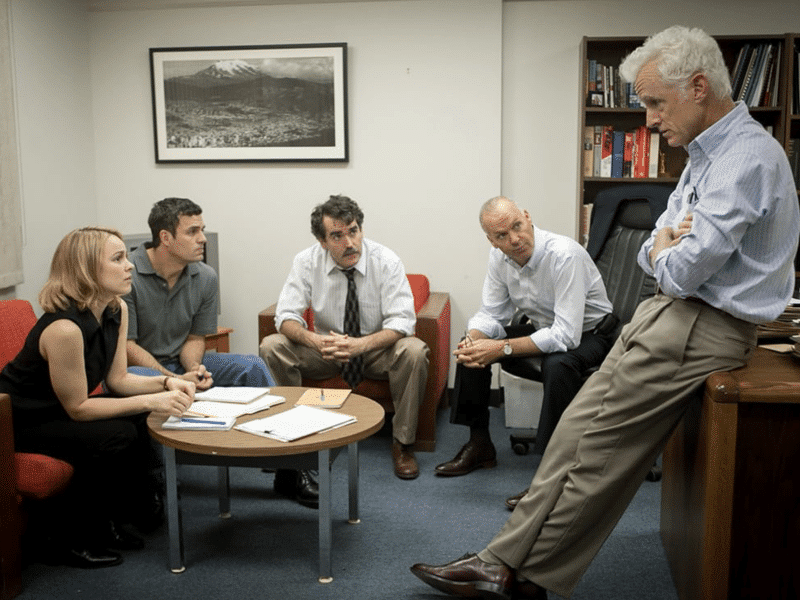
Executive Editor Alek Haak-Frost invites Watershed Voice supporters to join its staff and board members this Saturday, November 14 at 7 p.m. at the Riviera Theatre in downtown Three Rivers for a showing of Oscar-winning film Spotlight.
All proceeds from ticket sales will benefit Watershed Voice and serve as the kickoff event for its annual year-end fundraiser.
Local meeting primer: Sturgis City Commission
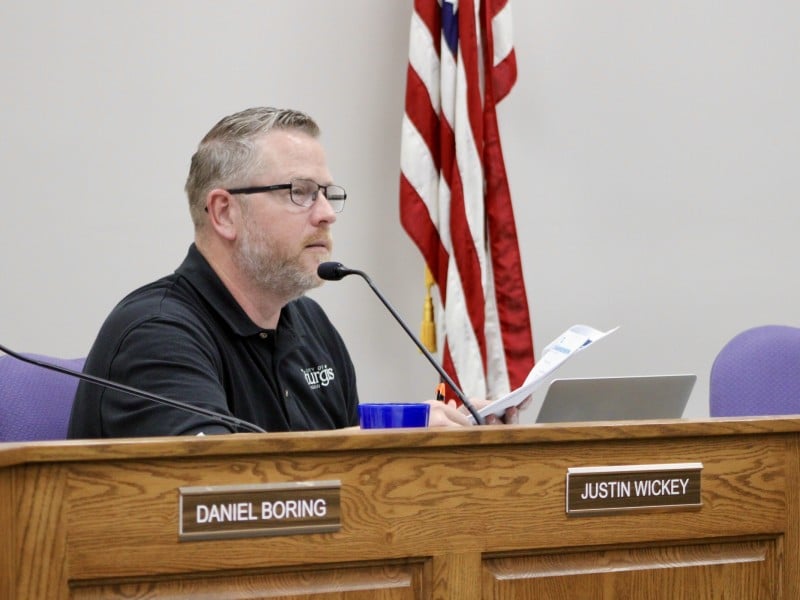
Although last Tuesday’s elections brought some changes to the Sturgis City Commission, the controversial group of commissioners will have to work together twice more before a new commission is sworn in.
The newly elected commissioners won’t be sworn in until their December 9 organizational meeting. During that meeting, commissioners will also decide their next mayor and vice mayor.
Sturgis Area Community Foundation celebrates a defining year for all of St. Joseph County
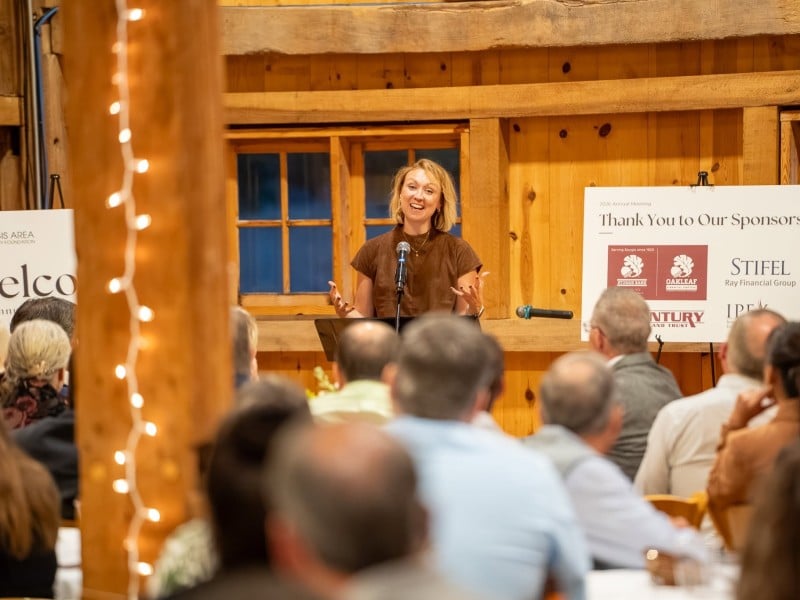
Residents in every corner of St. Joseph County now have a community foundation built to serve them. This year, the Sturgis Area Community Foundation (SACF) expanded its Board of Trustees and committees to include volunteers from across the county, who now help shape decisions about grants, scholarships, and shared priorities such as housing, childcare, education, and economic development. As the Foundation grows, local funds continue to support local needs, and each community keeps its own identity.
