
Your guide to proposals on the ballot this November
Watershed Voice has outlined the different ballot proposals voters in southwest Michigan and across the state will be voting on. The proposals range from a statewide campaign finance law aiming to get “money out of politics,” and a local municipalities decision to ban marijuana establishments, all of which are detailed here.
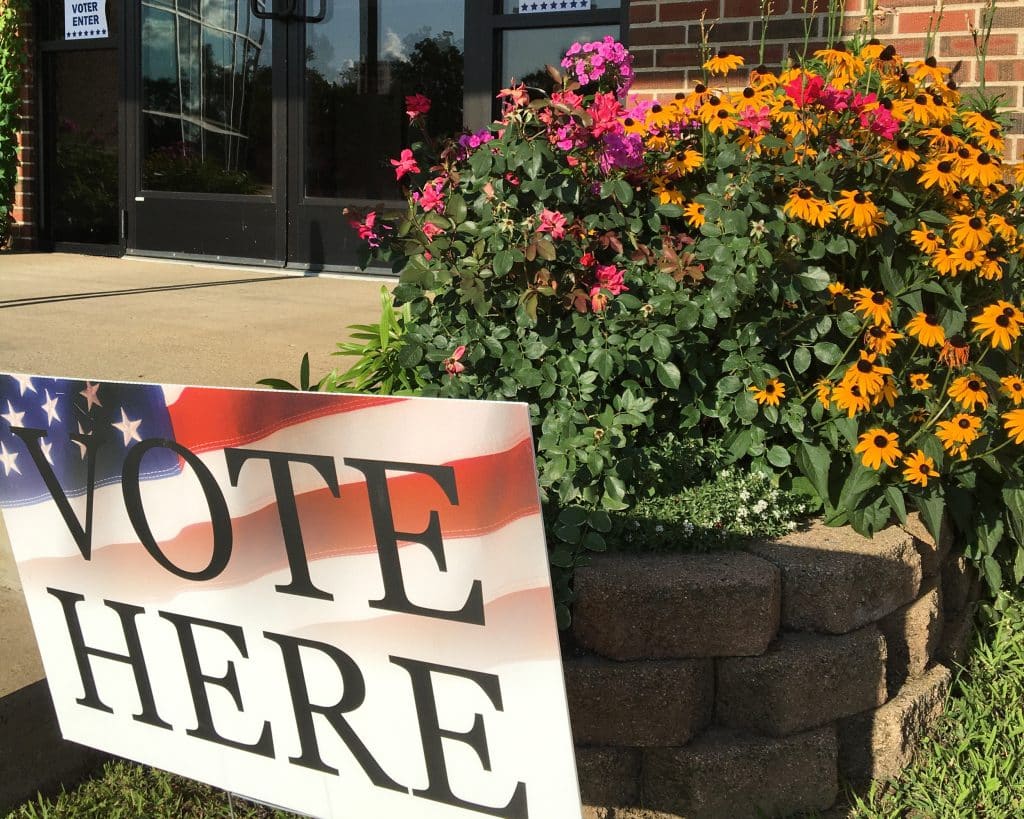
As Election Day approaches it’s important to understand not just which candidates you want to vote for, but which ballot proposals you support or not.
Last Thursday, Watershed Voice sent out candidate questionnaires which will be returned by this Friday, October 16, and then published next week in the order they were received.
Now, Watershed Voice has outlined the different ballot proposals voters in southwest Michigan and across the state will be voting on. The proposals range from a statewide campaign finance law aiming to get “money out of politics,” and a local municipalities decision to ban marijuana establishments, all of which are detailed below.
Statewide
First, let’s look at what will be on the ballot for every Michigan voter, two statewide proposals. One on campaign finances, the other whether to hold a convention or not.
Campaign finance
Proposal 2026-2 seeks to initiate law to prohibit campaign contributions from certain regulated utilities and government contractors as well as apply campaign finance laws and regulations to additional types of political communications.
It would amend the Michigan Campaign Finance Act to prohibit regulated electric and gas utilities from making certain direct or indirect political contributions. It would also restrict government contractors with more than $250,000 annually in qualifying contracts, along with certain people and organizations affiliated with those companies, from contributing to candidates in jurisdictions that awarded the contracts.
The proposal is on the ballot because Michiganders for Money Out of Politics, or MOP Up Michigan, gathered and submitted more than 560,000 signatures in May which the Michigan Board of State Canvassers certified in July, adding it to this November’s ballot.
Voters will be voting “yes” or “no” on the proposal.
Constitutional convention
Voters will decide whether they want to convene a constitutional convention for the purposes of drafting a general revision of the state constitution.
This measure is on the ballot every 16 years, by law, however, has not passed since 1963. The last convention took place from 1961 to 1962, which established the constitutional framework under which Michiganders live today.
Michigan has had four different constitutions throughout its history, with versions being adopted in 1835, 1850, 1908, and 1963.
Voters will decide whether a convention of delegates will convene in 2027 to draft a general revision of the State Constitution.
Voters will say “yes” or “no” to the proposal.
County
St. Joseph County
Mottville Township marihuana prohibition
In Mottville Township, voters will decide whether to prohibit further marijuana establishments from coming to the city as well as the two dispensaries that are already open and operating within the city.
The ordinance, titled “Mottville Township Prohibition of Marihuana Establishments Ordinance,” would prohibit marijuana establishments from operating within the boundaries of Mottville Township.
Highatus and The Dude Abides, the two dispensaries in town, are both located near the Indiana-Michigan border and opened less than a year ago.
Marijuana was legalized for recreational use in Michigan in 2018, however, local municipalities have the final say on the allowance of dispensaries in their towns.
Nottawa Community Schools Proposal
Voters in the Nottawa Community School district will decide whether to approve a $4.36 million bond proposal to fund improvements to school buildings, including the Nottawa Stone School.
The funds would be used for building additions, renovations, equipment, and improvements to drop-off areas, driveways, parking lots, and playgrounds.
If approved, the estimated tax rate for the bonds in 2027 would be 2.53 mills, or $2.53 for every $1,000 of taxable property value. The bonds could remain outstanding for up to 25 years, with an estimated average annual millage of 1.95 mills over the repayment period.
Bond funds cannot be used for employee salaries, routine maintenance, or other operating expenses.
White Pigeon Community Schools Proposal
Voters in the White Pigeon Community Schools district will decide whether to approve a replacement of the district’s existing sinking fund millage, which expires at the end of 2026.
The proposal would authorize a tax of up to 3 mills, or $3 for every $1,000 of taxable property value, for five years, from 2027 to 2031.
The funds would be used for school building construction and repairs, security improvements, technology upgrades, student transportation vehicles, and related maintenance equipment and supplies.
If approved and fully levied, the millage is expected to generate approximately $1.8 million in 2027. This proposal would replace the district’s previously approved sinking fund millage rather than renew it under the same terms.
Kalamazoo County
In Kalamazoo County, voters in the cities of Kalamazoo and Portage will decide on nearly identical proposals to amend their respective city charters to establish citizen advisory committees focused on healthcare affordability and access.
The proposals were brought forward through petition drives organized by Community Action Michigan, which submitted more than 5,700 signatures in Kalamazoo and 2,600 in Portage.
If approved, the committees would be appointed by the Kalamazoo City Commission and Portage City Council, respectively, and would gather public testimony, analyze healthcare data, and examine how government policies affect healthcare costs and accessibility.
Each committee would be responsible for producing a Healthcare Action Plan every two years, evaluating changes in health insurance coverage, tracking actions by state and federal officials, and recommending potential solutions. Both city governments would be required to adopt and publish their respective plans.
The proposals have faced criticism from Kalamazoo Mayor David Anderson, who has described the Kalamazoo measure as a “scam” and unfunded mandate that got on the ballot through “dark money.” Anderson has argued that the city has no authority over healthcare policy, and that the proposal would require the city to devote staff time and resources to an issue largely outside its control.
Maxwell Knauer is a staff writer for Watershed Voice.
Author

Related Articles
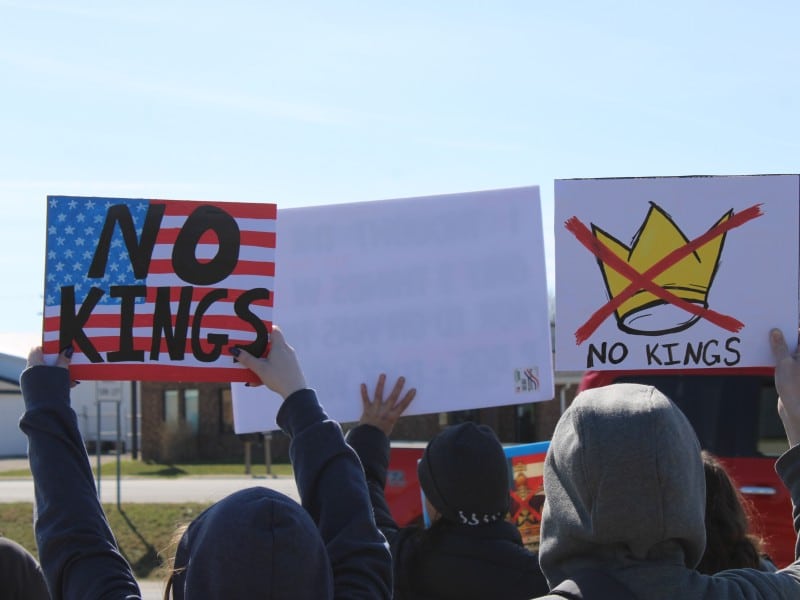
No Kings to host early voting event in Sturgis this weekend
Community members are invited to gather at Memorial Park in Sturgis this weekend for a volunteer-organized event encouraging voter participation ahead of the November 3 election.
The event, scheduled for Saturday, October 17, from noon to 1:30 p.m., is part of a nationwide effort by the No Kings movement to encourage early voting and increase voter turnout.
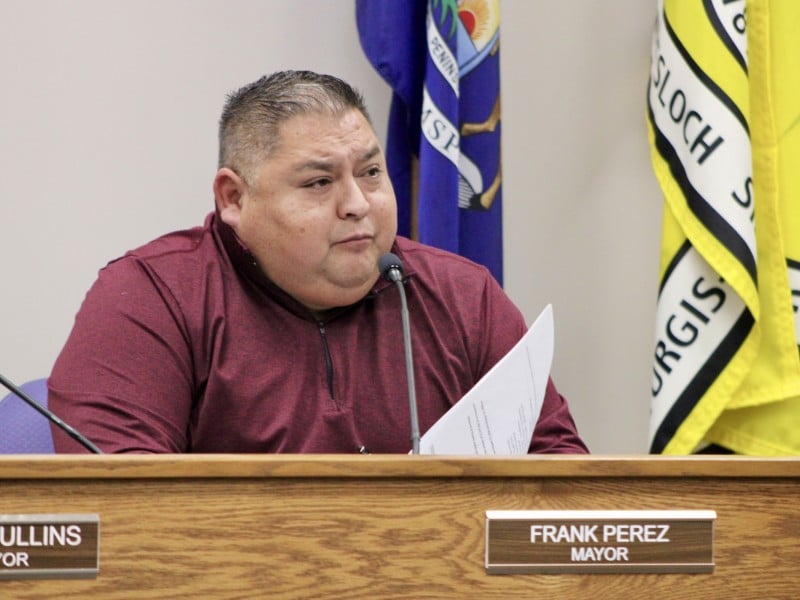
Aaron Miller calls for Frank Perez to resign, concede November election
Sturgis City Commissioner Aaron Miller says “there can be no coincidence” between the reported actions of Mayor Frank Perez, and the resignation of former City Manager Andrew Kuk.
“I have watched a long history of commissioner mistreatment of Mr. Kuk that culminated in these events,” Miller told Watershed Voice. “It has not just been this one event. His resignation was announced on the same night that the details of the secret meeting all spilled out before the entire commission, shortly after Mr. Kuk learned about the various details as well. There can be no coincidence.”

Watershed Voice sends out candidate questionnaires for November election
The November election is quickly approaching with just over three weeks before Election Day on Tuesday, November 3.
In preparation, Watershed Voice sent out questionnaires to candidates in local and statewide races. Although some local elections are uncontested, those candidates also received questionnaires.
