
Good Grief. The Mother Wound, Part Three
Watershed Voice columnist Aundrea Sayrie’s new series “Good Grief.” explores how loss lives in everyday lives, and its impact on mental health.
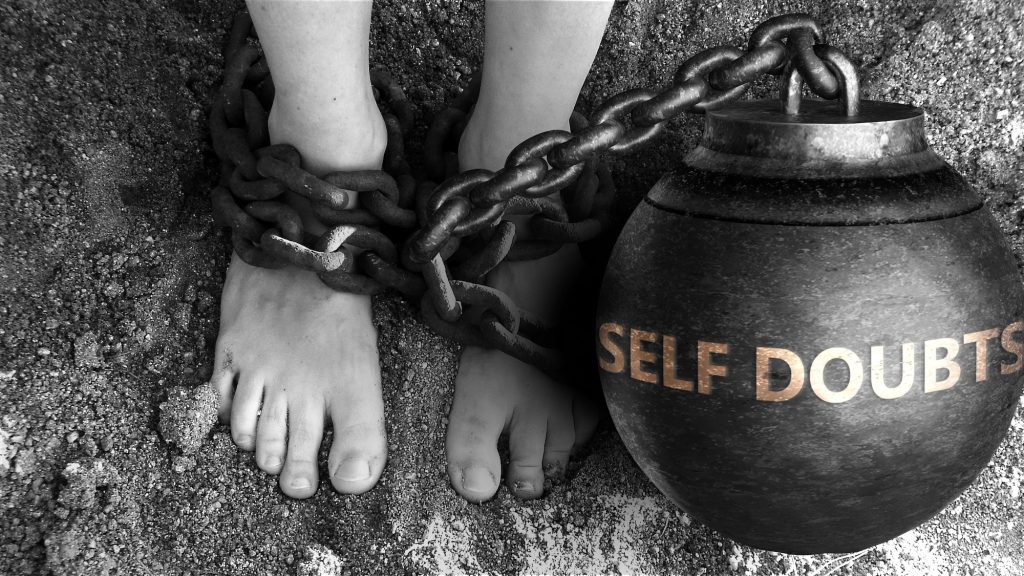
In The Mother Wound, Part Three, Sayrie writes that “children should not have to earn gentleness” because “they deserved it all along.” And when they don’t receive that care, it leads to self doubt and shame as they grow older.
Good Grief. is a dedicated space to explore how loss lives in our everyday lives and its impact on mental health. Written through the lens of lived experience, it examines the quiet ways grief shows up. In our bodies, our relationships, and the patterns we carry. Creating space for awareness, honesty, and repurposing pain.
If you haven’t read part one of The Mother Wound series, click here. You can find part two here.
Some wounds are difficult to explain
because they came from the same place
a child was supposed to learn safety.
There is a particular kind of confusion
that happens when the person who gave them life
also made them feel small.
When criticism came before comfort.
When their dreams or emotions were mocked, dismissed, or minimized.
When love felt unpredictable.
A child does not naturally assume:
“Something is wrong with my parent.”
They assume:
“Something must be wrong with me.”
And that belief can settle deeply into the body.
They begin to brace for rejection
before it even arrives.
They become startled at the slightest change in tone.
In facial expressions.
Constantly gauging for shifts in energy.
Their nervous system learns:
safety can disappear quickly.
So they adapt.
They over-explain.
Become careful with their joy.
Sometimes even careful with speaking up.
Because being visible once felt dangerous.
And the body remembers that.
Even in adulthood.
The impact of overly critical and emotionally unavailable mothers can include:
anxiety during conflict
difficulty trusting compliments
fear of disappointing others
apologizing constantly
emotional shutdown
perfectionism
struggling to feel “good enough” even when they are trying their hardest
Sometimes they become incredibly accomplished…
and still do not feel like enough.
Because they were never given that validation.
Severe criticism from their mother became the foundation instead.
So they grew up questioning themselves.
Struggling with worthiness, validation, and the quiet ache of never fully feeling enough.
Still loving the mother they had, while grieving the mother they needed.
Healing from this kind of pain
is not about learning to hate the person who hurt them.
Sometimes it is simply about finally acknowledging:
“That hurt me.”
Without minimizing it.
Without excusing it away.
Because the truth is…
children should not have to earn gentleness.
They deserved it all along.
If any part of this feels familiar…
Just know:
Setting boundaries to protect yourself
does not make you difficult.
Aundrea Sayrie is a writer, narrator, advocate, and the creator of Good Grief., a reflective platform exploring grief, belonging, identity, healing, and intentional living through storytelling and spoken reflection. Drawing from lived experience, community advocacy, and creative expression, her work centers emotional honesty, connection, and giving language to the experiences many people struggle to name. She truly believes the only thing worse than hurting is hurting alone and hopes to be a companion to others through their healing journey.
If you would like to support her work as an independent writer and creative, donations can be sent via Cash App: $Asayrie
Any views or opinions expressed in this column are those of the author and do not necessarily reflect the views or opinions of the Watershed Voice staff or its board of directors.
Author

Related Articles

Letter to the editor: The loss of Beacon’s gym will be felt generationally
Reverend Nicole Smith of Three Rivers writes, “A healthy human being is healthy physically, mentally, and emotionally. Health Trac sought to be a place where everyone from families with small children to octogenarians could gather safely and not just exercise but also socialize, interact on an intergenerational basis, and find not just a healthier body but release from stress, anxiety, fear, and loneliness.”
Listen: Good Grief. Podcast, Episode 7
Grievers are all around us and most of the time, we have no idea.
In recognition of National Grief Awareness Day, August 30, this episode of Good Grief. explores what awareness asks of all of us.

Listen: Good Grief. Podcast, Episode 6
We’re told to grieve alone, in private, but why? In the sixth episode of the Good Grief. Podcast, Watershed Voice’s Aundrea Sayrie discusses what grief is, how we do it, and why we need others to witness it.
