
Q&A: Jonathan Current, Business Manager of IBEW Local 131
Jonathan Current, business manager of IBEW Local 131, recently shared his perspective on the state and future of blue collar jobs in Southwest Michigan with Watershed Voice. We spoke with Current about unions and their role in today’s economy, the different states of certain trades such as electrical versus construction, and legislative efforts impacting trade and skilled workers in Southwest Michigan.
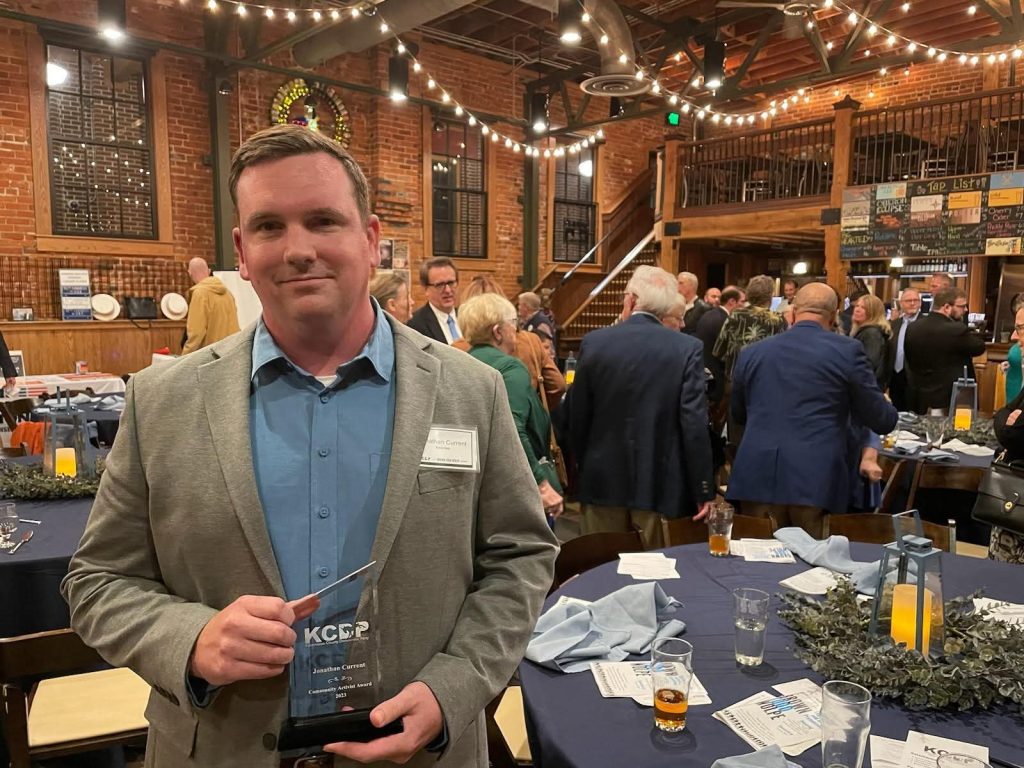
Jonathan Current, business manager of IBEW Local 131, recently shared his perspective on the state and future of blue collar jobs in Southwest Michigan with Watershed Voice. We spoke with Current about unions and their role in today’s economy, the different states of certain trades such as electrical versus construction, and legislative efforts impacting trade and skilled workers in Southwest Michigan.
Note: The following interview took place electronically via email on Monday, December 8 and was conducted by Staff Writer Maxwell Knauer.
Maxwell Knauer: What do you see as the biggest challenges facing blue-collar and union workers in southwest Michigan?
Jonathan Current: There are a lot of issues that don’t seem to make it into our collective discourse, but in Southwest Michigan the number one thing I see is economic vulnerability. Basically, a lot of people at all economic strata are on the edge. If they had to go a month without a check, they would really be hurting. Homebuyers are stressed, renters are stressed, people with medical concerns are financially stressed, people with kids are stressed with childcare costs, working people who are “doing well” are stressed for time, working 60+ hours a week. We call it an affordability crisis, but what we are really talking about are the deteriorating conditions of our economic system.
MK: Are hiring, retention, or training needs improving or getting worse right now? What’s driving those trends?
JC: The need to hire and train people remains high. I don’t know if I could describe it as better or worse. We are seeing more and more young people getting interested in the trades and paid apprenticeships where they don’t have to take on massive debt and wait to enter the workforce before they even know if a job will be available.
We need to train people, and we need to make sure that those union careers are around and lucrative for the generation we are training. Stability is the thing construction struggles with and that is truer now than ever. Huge swings in needed manpower are a political reality. Because our politics is so unfocused and downright bipolar, everything gets rushed and causes wild swings in labor needs.
The infrastructure investments of the last administration is responsible for the boom we’re experiencing, but the current administration is undoing a lot of that. Major projects start and get cancelled. It’s difficult to predict. Right now, massive private investment in data centers and utility scale projects are starting to drive the market more than infrastructure. But, there is political backlash there as well.
MK: Are there particular trades or sectors that are especially strong or struggling going into 2026?
JC: Without a doubt the electrical trade is experiencing unprecedented demand and most believe that will continue for the next 5-10 years. Plumbers and pipefitters are also in high demand. Construction trades are pretty much all in demand, though. The health sector is in high demand as well. I believe the health sector should embrace a union apprenticeship model. I think that is perfect for non-provider personnel like nurses, CPA’s, and techs.
When I think of those who are most vulnerable, I think about IT and engineering. The powers that be are trying to do to white collar workers what they did to blue collar workers 20 years ago. It’s not going to be pretty. I don’t think those fields can actually be replaced by AI. But AI can be wielded to weaken the market and get workers to concede or be stressed in ways that are cruel and counterproductive for short term gain.
MK: How are unions adapting to shifts in technology, automation, or changing project demands?
JC: The IBEW is fairly nimble compared to a lot of trade unions. We have leadership that recognizes the need for reform and flexibility. The challenge as a local union leader is to find ways to be flexible, to grow, and to do it in a way that serves the membership and workers.
It is very difficult to capitalize on shifting technology for your members. Technology and automation are almost always used to reduce the need for labor. When there is high need for labor, technology can improve conditions. The question is whether we will allow technology to reduce the perceived value of our labor. I don’t see that happening for skilled workers like electricians anytime soon, but we have to grapple with those questions and concerns.
Automation decimated manufacturing in the early aughts. Automation ushered in a new age of productivity, but the workers did not benefit. Instead, mass layoffs and offshoring were used to leverage and eliminate workers. That automation surge peaked and now manufacturing has been struggling to fill those (now) lower wage positions.
The conditions are often bad and many manufacturing sites suffer from high turnover like they did in the early 20th century. The Union trades hedge this by negotiating for the occupation, not the particular job, company, or factory. We have hiring halls that direct the flow of labor and opportunity in an equitable way. The aim is to maintain wages and working conditions, even if there is a momentary, or perhaps sustained, decline in available work for the position.
MK: What are labor groups doing locally to build or protect good union jobs?
JC: I think, in southwest Michigan, we’re largely staving off non-union competition. That means getting the word [out] about the benefits of a union. Union construction workers make 78% more than the non-union competition when you include wages (which are on average 42% higher) and benefits. Actively organizing and educating the workforce is huge, too. You’re going to see more of this kind of outreach. We also put great emphasis on community investment.
It seems like everyone wants their kids, grandkids, and nephews to go into the trades right now, because it’s the last refuge of the working-class pension, where workers can get a fair deal. That won’t last if communities don’t invest in the people that do the work. And of course, organizing by going out and directly engaging workers is paramount to everything we do. I say “of course,” but in the past labor unions have forgotten what got us here in the first place; winning and organizing the workers.
MK: What do workers most need from employers or policymakers right now to strengthen the workforce?
JC: I hate to sound hyperbolic, but the numbers back it up. The massive infrastructure investments that were passed between 2021 and 2023, were once in a lifetime, generational, investments in working people. Protecting/renewing that investment can ensure good paying jobs and a strong middle-class economy for the next decade.
Employers need to take a wholistic approach. Focus on retainment, sustainability, building community on a policy level. I think the more we break our economy down to a local level, the better off we will be. I also think local communities need to embrace blue collar jobs. We see a lot of major investments, needed investments, being shot down by local planning commissions.
Communities should be able to have open-minded discussions about these issues instead of reflexively rejecting everything. At some point, we have to build things if we want the lights to stay on and our kids and grandkids to have any economic security.
MK: Is there anything the public misunderstands about the state of blue-collar work in Michigan right now?
JC: Jeez, that’s a good one. So many people have no idea what it is to work in a factory, a paper mill, a forge, or water treatment plant. These places are hot, smelly, dangerous, and the people who do the work ought to take great pride in it. Just because a job is unpleasant doesn’t mean it’s bad. Jobs are about the people you’re surrounded by and there is nothing more fun and rewarding than working in tough conditions with great people.
Never underestimate the value of a career in the Union Trades where you spend decades working around the same people, telling jokes, building friendship, having feuds, struggling through the toughest projects, or flying through them because you’re good and you know what you’re doing. You might work for 20 employers in a year or 1 employer for 20 years, but the people you work with are a community.
I’ve been drenched in sweat running conduit over a 200-degree paper pulper (imagine a boiling hot 10,000 gallon blender of paper sludge) but I didn’t complain. I was proud to be there, and I was happy to know I’d done something that not many others would or could. The wrong environment is equally corrosive. If your job is dirty, nasty, and dangerous but you are treated subhuman and it’s all taken for granted, then it’s brutally punishing. Respect for blue collar jobs is paramount. Even more than the pay. Guys will walk away from huge wages if they don’t feel respected.
MK: From your perspective, what does a healthy labor landscape look like for 2026 — are we on track?
JC: Part 1: If we are talking “small l” labor, a healthy labor landscape is one that is stable and responsive. Secure investments in the local economy, economic/trade predictability, robust training, and prosperity for workers are all part of that equation.
From my narrow perspective as an IBEW Representative in Southwest Michigan, the labor landscape is flush with work for 2026 and beyond. Our challenges are making sure workers on the job are respected. That they feel respected and take pride in their work and training. Construction has become too much of a Wild West gold rush market. It’s my job to protect workers from the ill effects and dangers of that market. At a larger level, the health sector is being upended, energy policy is all over the map, and tech investments, while seemingly robust, are equally fickle. I think that makes 2026 a difficult landscape if you’re a worker or an employer outside of the electrical industry.
Part 2: If we are talking about “big L” Labor, as in Labor Unions, 2026 has a lot going against it in terms of electoral politics. The NLRB (National Labor Relations Board) is paralyzed, though they are still somehow processing Unfair Labor Practice Charges. The courts are eviscerating workers’ rights in terms of collective bargaining; allowing unfettered use of non-compete agreements, non-disclosure agreements, monitoring of employees to suppress union activity, and captive audience meetings. A lot of those anti worker policies were done in the first month of the new administration. In terms of raw political power, I think Labor Unions and the need for them is being realized in a way that we haven’t seen since the 1940’s. People are fed up, and it’s prime time for Unions and their members to step up.
MK: The legislature is debating bills that would dismantle MEDC (the state’s main economic development agency responsible for job growth incentives, training programs, and business attraction). How do you think eliminating or scaling back the MEDC would affect union workers and job creation in our region?
JC: While I know the MEDC is not a perfect organization, the political hit-job being carried out right now is bad for the state.If Michigan is not actively clearing the path for economic growth and development, it will atrophy. We’ve already seen this in the 90s and aughts. Cutting taxes and services only to sit back and expect business to flock to the state is a fool’s errand.
You’re never going to out-Texas Texas, or Indiana for that matter. We need active public policy that engages and attracts business while also communicating with and engaging communities. Some big-name projects have been scrapped because of corporate fickleness and political uncertainty, but the fact that some of those big projects were on the docket to begin with is huge. Of course, many of our residents don’t seem to think investment and industry is important to the region at all, and that might be the biggest issue at hand.
MK: If MEDC were replaced or restructured, what kind of economic development approach would best support blue-collar and union jobs?
JC: If I were to build an economic development agency from the ground up, I’d want it to be community focused and worker focused. Right now, the regional partners are solely business driven. Its aim is to attract large corporate interests. I don’t think Southwest Michigan First is equipped to organize projects around the interests of working people.
An economic development agency that engages local interests, like farmers, labor unions, apprenticeships, colleges, and small businesses, and develops a plan with them is a lot more likely to succeed. Everyone working toward one vision is what it takes.
Right now, it seems like MEDC engages corporate interests first and expects everyone to get excited. It just doesn’t work that way. People will buy in when they know they are included in the process. I think Community Benefits Agreements have had some success in that regard.
I understand that to transform a state economy quickly you need huge corporate investment, and that’s a fickle bunch. You’re afraid to spook them away with public push back. That’s a part of the problem, corporate cowardice, cold feet, whatever you want to call it.
At the end of the day though, the best industry is home grown. That’s what we should keep our focus on. A truly Michigan Economy. That means concerted protection of local businesses, workers, and investment for home grown organizations. Local partnerships that come together to grow their economy organically.
Maxwell Knauer is a staff writer for Watershed Voice.
Author

Related Articles
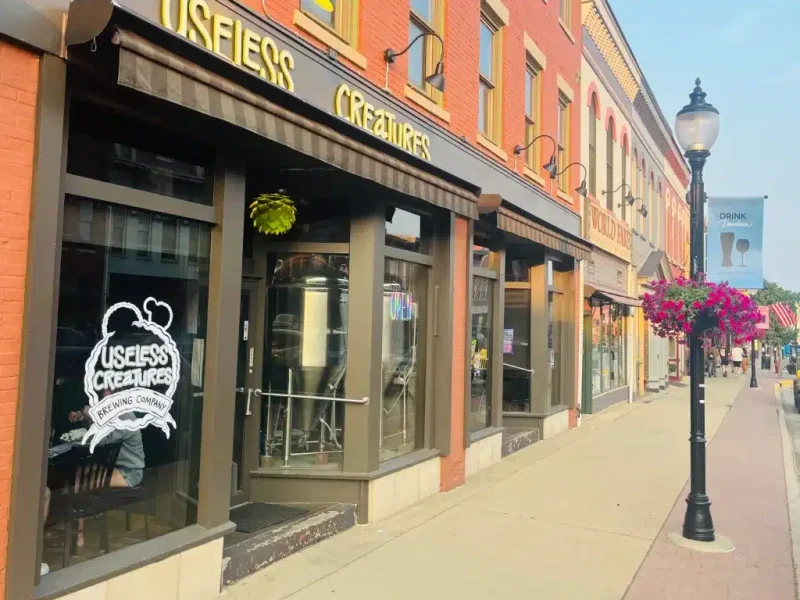
Useless Creatures to donate all of today’s sales to tornado relief
Useless Creatures Brewing Company plans to donate all sales today, Thursday, March 12 to tornado recovery efforts. All of the money will go to The Huss Project who has been organizing volunteers, collecting donations, and providing resources for those in need in the wake of the tornado.
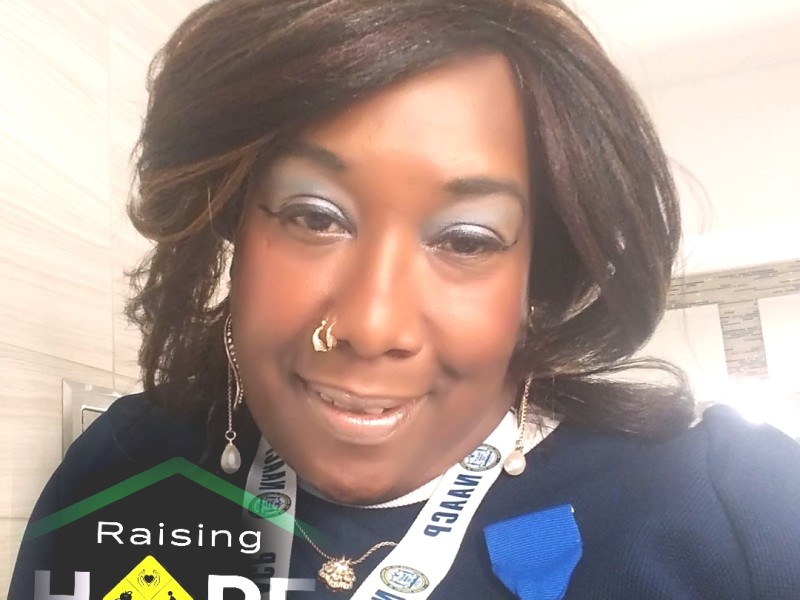
Tiny houses, big impact: Gwendolyn Hooker’s housing vision in Kalamazoo
As Helping Other People Exceed (HOPE) continued to grow, one issue kept appearing: many people had jobs and income but still could not find landlords willing to rent to them because of past criminal records.
Many were couch surfing, sleeping in cars, or moving from one temporary situation to another.
Eventually Founder and CEO Gwendolyn Hooker said, the solution became clear.
“If people aren’t going to rent to the population that I serve,” she said, “then I’m just going to build my own houses.”
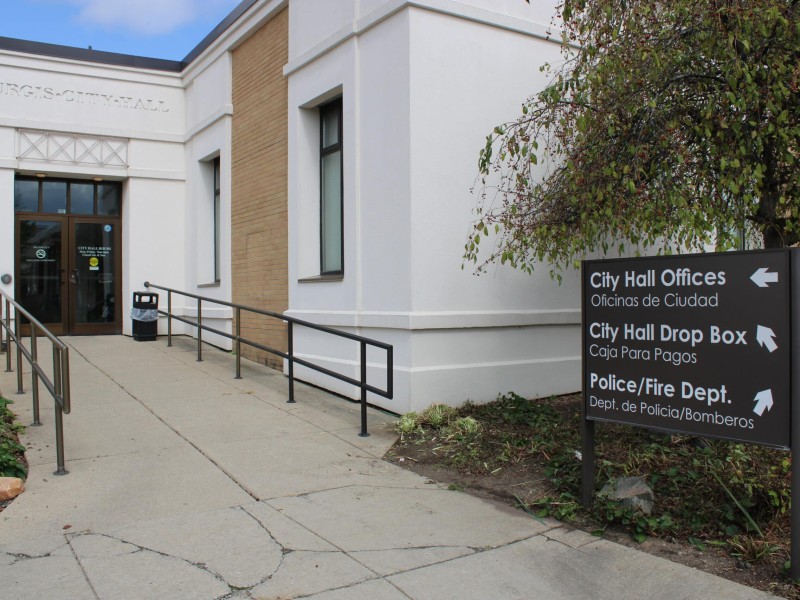
Sturgis provides storm aid to neighbors, approves arts center entryway project
The City of Sturgis suffered very little damage from the storms. City staff reported during Monday’s meeting that minor damage occurred at the city’s hydroelectric facility, where a unit was knocked offline.
“It went right over the dam,” one city staff member said during the meeting.
Sturgis’ most significant involvement following the storm came through the aid and resources it provided to neighboring communities.
