
Huss Project offering paid summer internship for WMU students in Three Rivers
The 10-week internship generally runs through the organization’s Back to School Celebration at the August Second Saturday Farmers Market. Interns are paid $17.50 per hour and are expected to work about 20 hours per week. Every other week, they attend professional development training at Western Michigan University as part of the Broncos LEAD program.
For Co-founder Rob Vander-Giessen Reitsma, the internship is about more than seasonal help — it’s about formation.
“We hope students learn about small-scale food production, community development in a small town, and how our work is rooted in the core values of our organization,” he said.
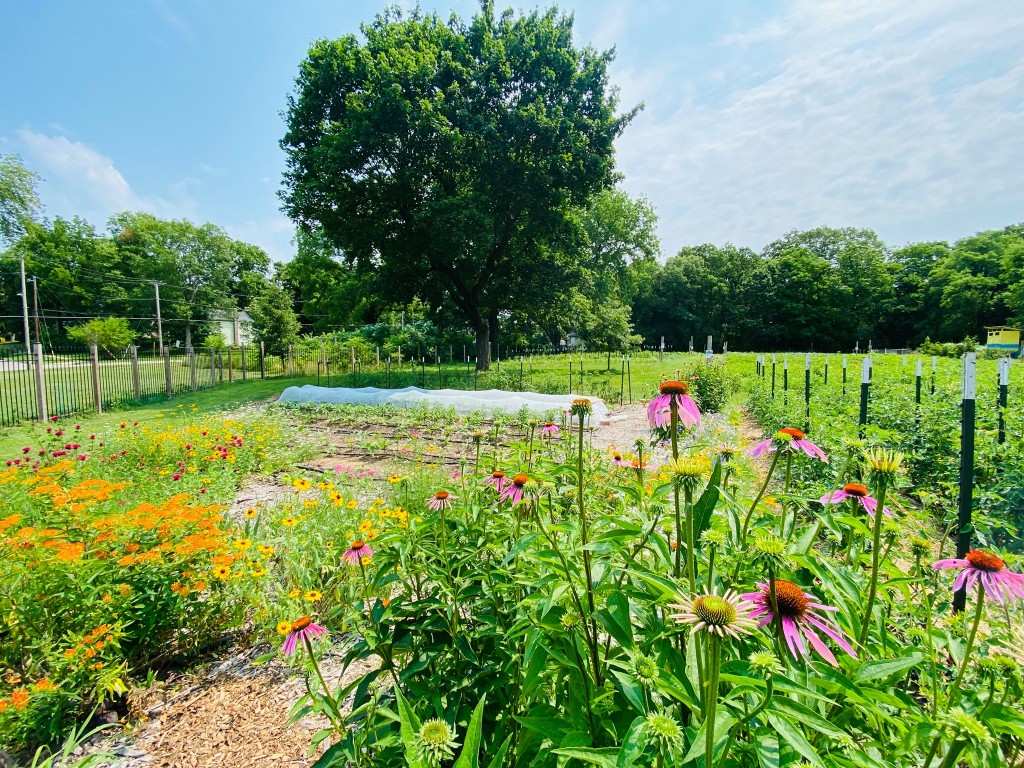
As summer approaches, the Huss Project is once again inviting Western Michigan University students to spend 10 weeks growing food — and building community — in Three Rivers.
The nonprofit plans to hire two paid interns this summer through Western Michigan University’s Broncos LEAD program. The internship is open to WMU students and applications are submitted through Handshake.
“We’re always excited when new folks come to work alongside us for a time because they bring new energy and ideas into the mix,” Executive Director Rob Vander-Giessen Ritesma said.
Based in Three Rivers, the Huss Project describes its mission as growing “imagination and friendship through food, art, and play.” That mission takes shape through nature-based experiential learning programs for learners of all ages, a Community Bike Shop and several food access initiatives serving the area.
Summer is when much of that work accelerates.
“It’s a very busy time of year,” Vander-Giessen Ritesma said.
In addition to growing food on its urban farm and operating its seasonal Farmers Market, the organization runs a summer lunch program, partners with Three Rivers Area Mentoring on a weeklong day camp, manages a weekday experiential learning program and distributes free produce through a seasonal vegetable distribution program.
Interns help make much of that possible.
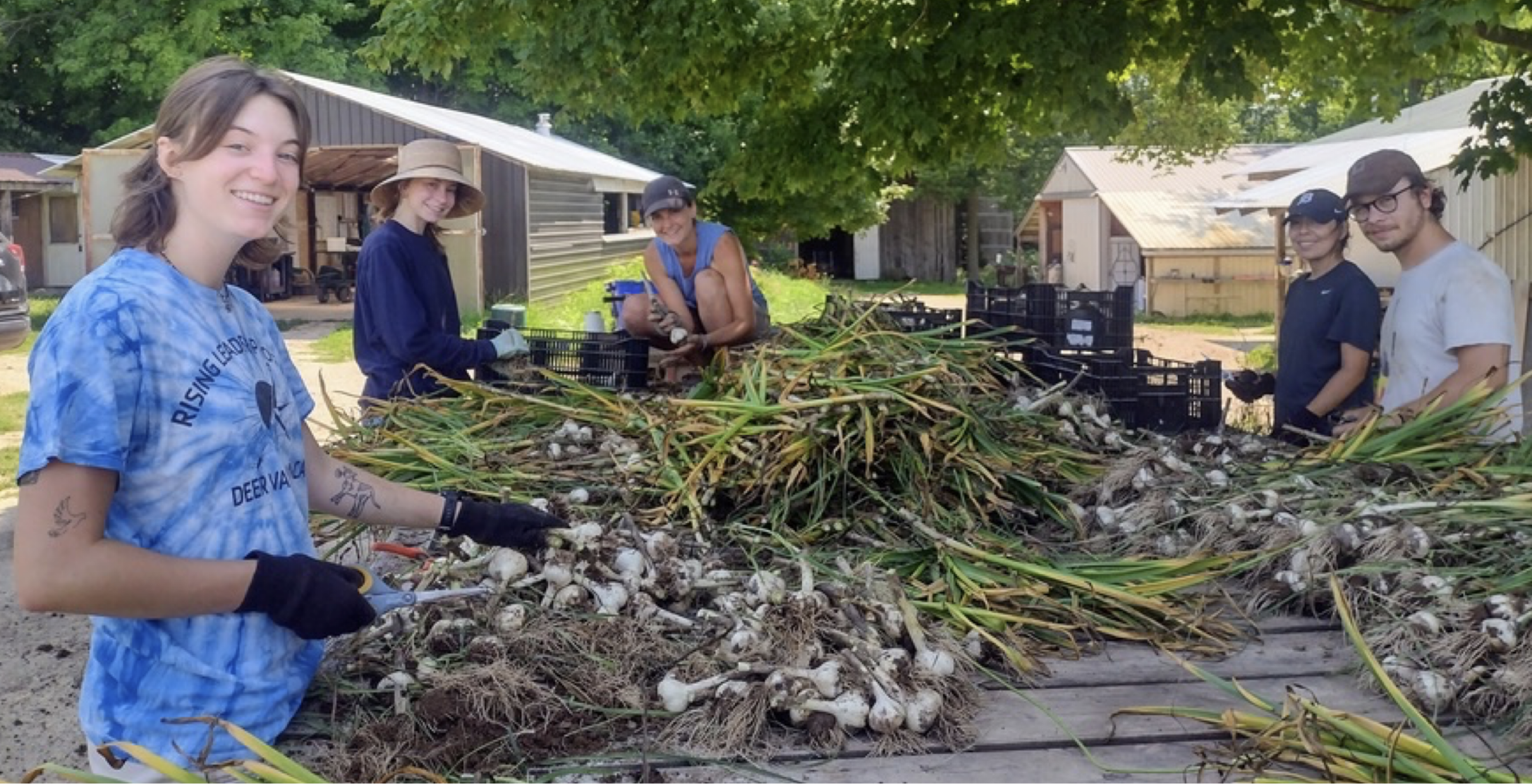
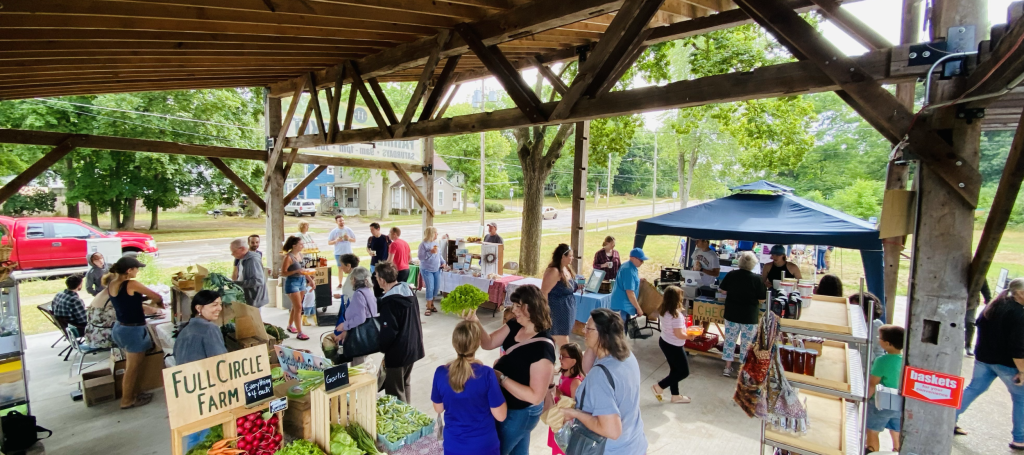
They typically work Tuesdays, Thursdays and Saturdays, with some flexibility depending on individual circumstances. During the week, interns assist with planting, weeding and harvesting on the urban farm and may participate in educational programming depending on their interests and skills. On Saturdays, they help staff the weekly Farmers Market from 9 a.m. to 1 p.m.
The 10-week internship generally runs through the organization’s Back to School Celebration at the August Second Saturday Farmers Market. Interns are paid $17.50 per hour and are expected to work about 20 hours per week. Every other week, they attend professional development training at Western Michigan University as part of the Broncos LEAD program.
For Vander-Giessen Ritesma, the internship is about more than seasonal help — it’s about formation.
“We hope students learn about small-scale food production, community development in a small town, and how our work is rooted in the core values of our organization,” he said.
Those lessons can be practical — “how to grow tomatoes” — but also philosophical.
“Skills range from very practical things such as how to grow tomatoes to more philosophical skills of how to live out your deepest values in community,” he said.
He emphasized that no two summers look the same.
“It’s difficult to say anything is ‘typical’ per se; it really depends on what interests, areas of inquiry, or season of life students bring into the internship with them,” Vander-Giessen Ritesma said. “We really strive to create a work environment where everyone can bring their whole selves to the space every day. Every summer is a little different.”
The internship has evolved over the years. The organization first offered unpaid internships but moved away from that model. It later partnered with the AmeriCorps VISTA Summer Associate program until federal funding was cut. For the past two years, the partnership with WMU has allowed the Huss Project to continue offering paid positions.
Past participants have described the experience as transformative. One former intern told the organization, “This is the best job I’ve ever had!” Others have said their time at the Huss Project shifted their course of study toward community development or agriculture.
For Vander-Giessen Ritesma, one of the strongest signs of impact is what happens long after the 10 weeks end.
“Perhaps the best testimonial of a meaningful experience during an internship with us is when former interns stay connected to our community in some way,” he said.
Some former interns have moved to Three Rivers and made a life there. Others return for visits or attend events to stay connected.
“The fact that their summer experience built meaningful, long-term relationships with people here is mutually very rewarding,” he said.
For WMU students interested in spending their summer outdoors, serving the community and learning alongside local residents, the Huss Project internship offers a chance not just to gain experience — but to become part of something lasting.
Maxwell Knauer is a staff writer for Watershed Voice.
Author
Related Articles
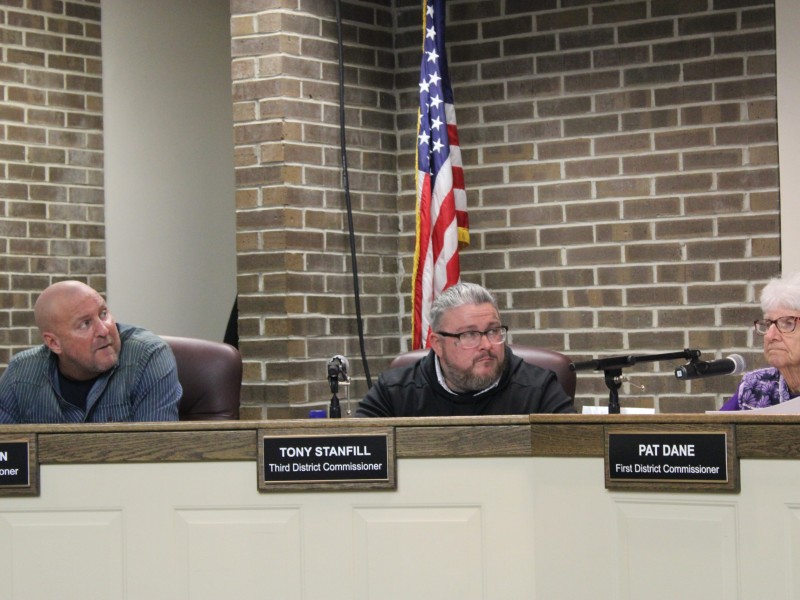
Three Rivers Commission approves nearly $3 million in road and infrastructure projects
The most contentious agenda item Tuesday was the Department of Public Services parking lot replacement project, where Commissioner Lucas Allen sharply questioned the city’s decision not to select the lowest bidder.
The exchange underscored broader tensions over cost, contractor selection, and the quality of infrastructure work across the city.
During discussion, Director of Public Services Amy Roth said the city plans to present a six-year road repair plan as part of the FY 2027 budget process, with initial discussion scheduled for May 12.

Save the date: Watershed Voice Artist Showcase
The sixth annual Watershed Voice Artist Showcase, a celebration of local musicians, spoken word artists, and local journalism, will return to The Huss Project this summer in Three Rivers.
Celebrating our sixth birthday and Local News Day
Watershed Voice officially launched six years ago on this day in 2020, providing a combined 3,400 stories, columns, podcasts, poems and the like to residents of St. Joseph, Kalamazoo, and Cass Counties over the last 2,191 days.
Help us celebrate our birthday with a donation, and sign up for our free newsletter in observance of Local News Day on April 9.
