
Letter to the Editor: The One Big Beautiful Bill Act: Who really benefits?
Naomi Ludman of Dowagiac writes, “while being described as a pathway to fiscal discipline and a ‘Golden Age,’ this bill instead redistributes wealth upwards and cuts essential public services. These changes could have long-lasting negative effects on everyday Americans.”
To the Editor:
In response to claims that cutting government spending will lead to economic prosperity, it’s vital to look at what this “One Big Beautiful Bill” really does. Rather than offering relief to working families, the bill largely shifts money away from those struggling to make ends meet, and instead it moves the money upward to those in upper income brackets. Analyses show that while many programs designed to help lower-income families are being cut, tax breaks would boost the pockets of top earners and corporations—even as the poorest communities see a decline in their resources. (S. Zhang, Truthout, 5/21/25; D. Hyatt, Investopedia, 5/22/25.)
Fiscal irresponsibility is another huge issue. Rather than really saving money, the projected tax cuts, combined with increased spending included in the bill, are estimated to add nearly $3.8 trillion to the national debt over the next decade. This ballooning deficit means that down the road, cuts and reductions in other vital areas will be forced upon the public. (G. Petras & J. Borrensen, USA Today, 5/21 & 23, 2025; N. Russell, USA Today, 5/22/25)
The impact on healthcare and social services is dire. Essential programs like Medicaid and SNAP (Supplemental Nutrition Assistance Program), which millions rely on for health coverage and food support, will face severe cuts. Instead of creating a more secure future, these policies risk leaving vulnerable populations without a safety net—deepening economic inequality and making it even harder for working families to thrive. (National Health Law Program, 5/22/25; S. Zhang, Truthout, 5/21/25)
In conclusion, while being described as a pathway to fiscal discipline and a “Golden Age,” this bill instead redistributes wealth upwards and cuts essential public services. These changes could have long-lasting negative effects on everyday Americans.
Naomi Ludman
Dowagiac
Any views or opinions expressed in this letter are those of the author and do not necessarily reflect the views or opinions of the Watershed Voice staff or its board of directors.
Related Articles

Listen: Good Grief. Podcast, Episode 10
In this episode of Good Grief., Watershed Voice’s Aundrea Sayrie discusses psychological refuge tools, and the ways we learn to protect ourselves when life becomes too painful or overwhelming.
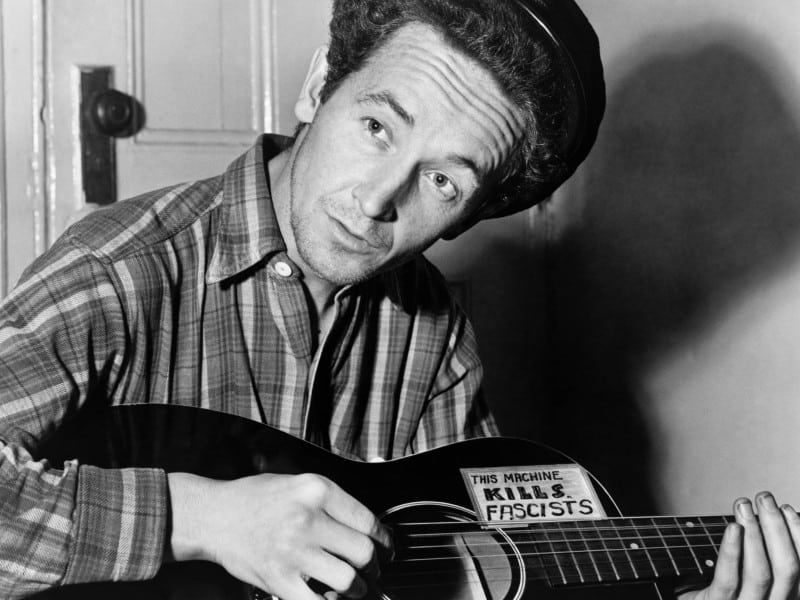
See ‘A Better World A Comin,’ Woody Guthrie tribute at the Riviera this month
A group of local musicians will present an evening of music by Woody Guthrie at the Riviera Theatre and Bar in Three Rivers on Saturday, October 24 at 7:30 p.m. Proceeds will benefit The Huss Project, a community center owned and operated by Three Rivers nonprofit *culture is not optional.
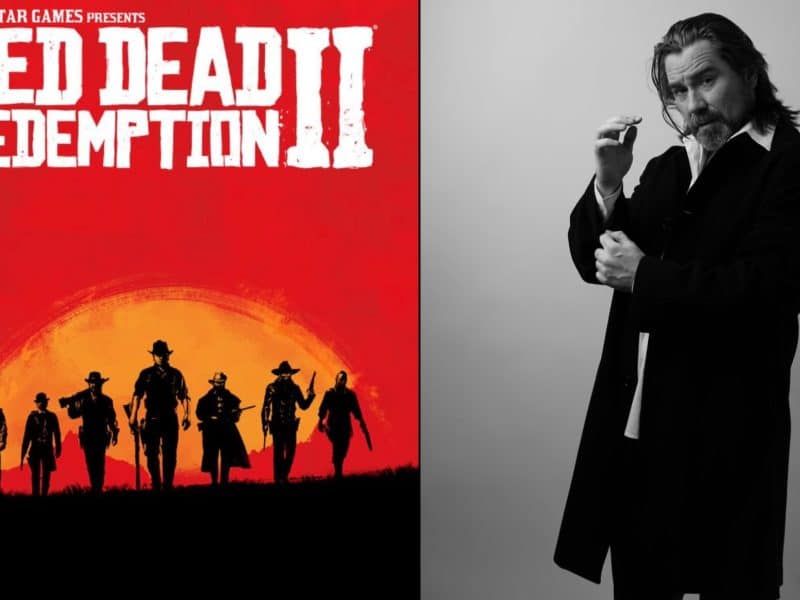
Geek Fest returns to Kalamazoo this weekend
Geek Fest returns to the Kalamazoo County Expo Center on Saturday, October 10, from 11 a.m to 3 p.m., bringing together gaming enthusiasts, artists, and fans of all things geek-related for an afternoon of activities.
One of this year’s featured guests is Roger Clark, the actor best known for portraying Arthur Morgan, the main protagonist of Rockstar Games’ critically acclaimed 2018 video game Red Dead Redemption 2.
