
Sturgis Commission backs three-year recycling contract with Borden, approves curbside recycling ordinance second reading
The ordinance converts curbside recycling from an add-on service to a full city utility, billed as a mandatory fee on utility bills for eligible residential properties. The commission’s approval of the second reading triggers a 20-day waiting period before the ordinance can go into effect.
The measure is designed as an alternative to letting the city’s existing recycling contract with Borden expire at year’s end. Previously, the commission had moved toward ending curbside service at the end of the current contract because of rising costs and a roughly $150,000 funding shortfall, even at the maximum allowed fee under state law.
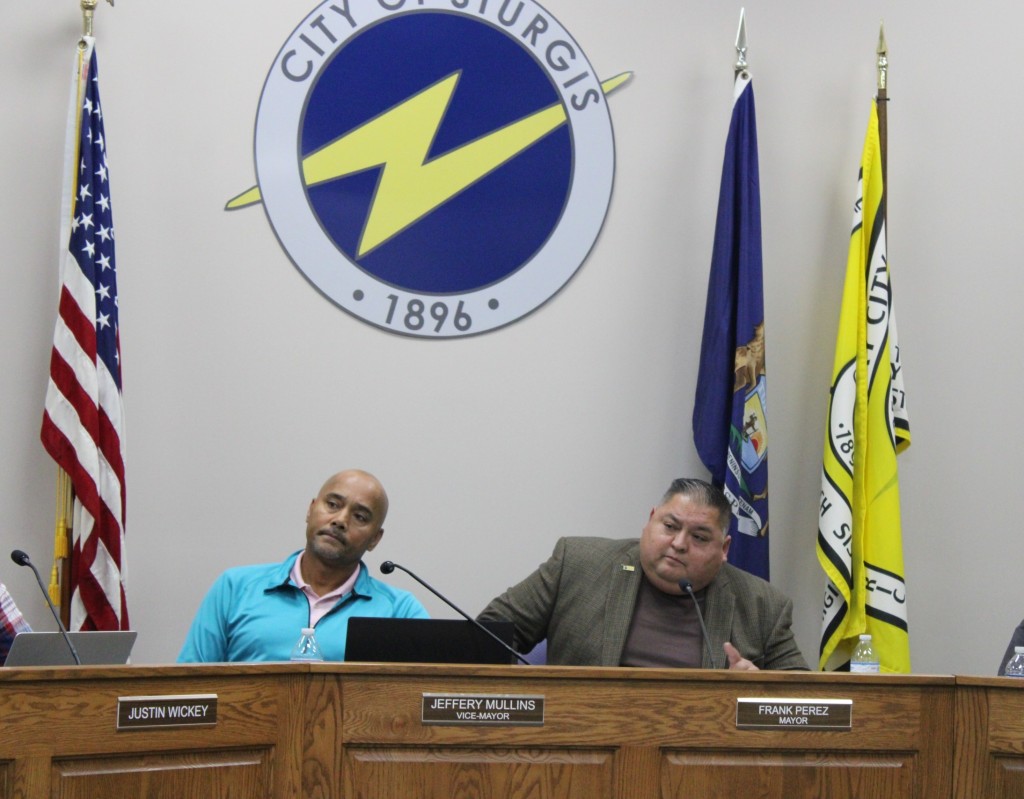
The Sturgis City Commission voted this week to pursue a three-year contract for curbside recycling with Borden, locking in the longer-term option after months of debate over how – and whether – to keep the program going.
The decision came after commissioners weighed whether to commit to a one- or three-year recycling service contract with Borden Waste-Away Service, the city’s current provider. Commissioners ultimately voted 6–3 to direct City Manager Andrew Kuk to negotiate a three-year deal, with Commissioners Cathi Abbs, Richard Bir, Dan Boring, Linda Harrington, Aaron Miller, and newly appointed Vice Mayor Jeff Mullins in favor, and Commissioners Justin Wickey, Marvin Smith, and Mayor Frank Perez opposed.
Commissioners who supported the three-year option cited lower costs for residents compared to a one-year contract, which would have carried a higher monthly rate. As Watershed Voice previously reported, city staff have estimated that residents will pay about $96 per year – roughly $6 to $8 per month – depending on contract length, with the three-year agreement on the lower end of that range.
Abbs said ahead of the vote that she had heard from residents who not only wanted to keep the program, but wanted commissioners to commit to the longer term. She told colleagues she received about five calls in the past week urging her to support a three-year contract so rates would stay as low as possible.
Smith and Perez continued to oppose the approach, echoing concerns they’ve raised in earlier meetings about costs for residents and landlords, and whether the city should mandate participation. Wickey joined them in opposing the three-year commitment.
Recycling ordinance passes 7–2
Earlier in the evening, commissioners took a separate vote to approve the second reading of the city’s new curbside recycling ordinance, which passed 7–2. Smith and Perez voted against, while Abbs, Bir, Boring, Harrington, Miller, Wickey, and Vice Mayor Mullins voted in favor.
The ordinance converts curbside recycling from an add-on service to a full city utility, billed as a mandatory fee on utility bills for eligible residential properties. The commission’s approval of the second reading triggers a 20-day waiting period before the ordinance can go into effect.
The measure is designed as an alternative to letting the city’s existing recycling contract with Borden expire at year’s end. Previously, the commission had moved toward ending curbside service at the end of the current contract because of rising costs and a roughly $150,000 funding shortfall, even at the maximum allowed fee under state law.
Under the new ordinance, recycling will be treated as a utility service with a flat monthly fee on all eligible accounts. The final dollar amount will depend on the contract commissioners ultimately approve with Borden, but earlier discussions have focused on an estimated $96 per year, or about $6 per month with a three-year contract, and closer to $8 per month with a one-year contract.
Participation in the program will not be optional for most residential properties. Under the ordinance approved Wednesday, “residential units” include single-family homes, duplexes, and triplexes. Larger multi-unit parcels are not automatically included.
City staff had drafted an alternate version to address landlord concerns by exempting about three dozen multi-unit properties while allowing those owners to opt in later if they choose. That alternate version is the one commissioners adopted, leaving the program’s structure and funding model intact but narrowing which properties are required to participate.
Commissioners had indicated ahead of time that they viewed the first and second readings as chances to collect feedback before adopting the ordinance instead of sending the issue to the ballot. By Wednesday night, however, turnout remained relatively light, with only a handful of residents speaking at either reading.
Frustrations with unhoused surface during public comment
A local business owner used the public comment period to voice frustration about repeated problems involving people camping near his property, saying he has dealt with damaged equipment, stolen materials, and trash being spread across his lot.
“I know the city’s got a homeless problem, but I’ve got a homeless problem,” he told commissioners, adding that he worried confronting the individuals himself would escalate the damage. “I need you guys to do the work, not me.”
Kuk asked whether the resident had reported the incidents to police; he said he had not, arguing others had filed reports without seeing results. Kuk responded that a police report is the city’s starting point for addressing property damage or trespassing, and said officers can remove individuals from private property when owners request it.
The resident pressed city officials on whether they knew who the individuals were and suggested there were “dozens” camping in the area. Kuk said law enforcement often encounters a changing group of people, and that some choose to live outdoors even when offered help.
Mayor Perez called homelessness “a sensitive topic” for him personally, noting he grew up “on the borderline of homelessness.” He urged the resident to begin with filing a police report and to follow up with city leadership if the issue persists.
City staff did not explicitly comment on how they are addressing the unhoused within the city.
Vice Mayor reflects on unexpected appointment
During commissioner comments, Vice Mayor Jeff Mullins took a moment to address his recent appointment to the role, calling it both unexpected and humbling.
“Thank you to those who put me in this spot. I truly didn’t expect or want to be in this seat, necessarily,” Mullins said. “But you put me here; I’ll do the best that I can.”
The commission voted Monday to appoint Mullins as vice mayor, replacing Bir in that role.
Other actions
In other business, the commission approved the first reading of a zoning district change for 408 W. Congress St., a long-vacant industrial parcel formerly used for recycling that Commissioner Dan Boring recently purchased. The change would rezone the property from Manufacturing to Residential 3 so Boring can demolish a deteriorated industrial building, clear the concrete, and prepare the lot for future accessory use tied to his planned single-family home at nearby 406 W. Congress. Boring abstained from participating in the deliberation and vote, except as the property owner.
What’s next?
The recycling ordinance will become effective after the required 20-day waiting period, after which the city can finalize and approve the detailed contract with Borden. The three-year term and estimated $96 annual cost are expected to shape that agreement, though the exact monthly fee and implementation timeline will be finalized through contract negotiations with Borden.
The Sturgis City Commission is next scheduled to meet Monday, November 24, at 6 p.m. at Sturgis City Hall.
Maxwell Knauer is a staff writer for Watershed Voice.
Author

Related Articles
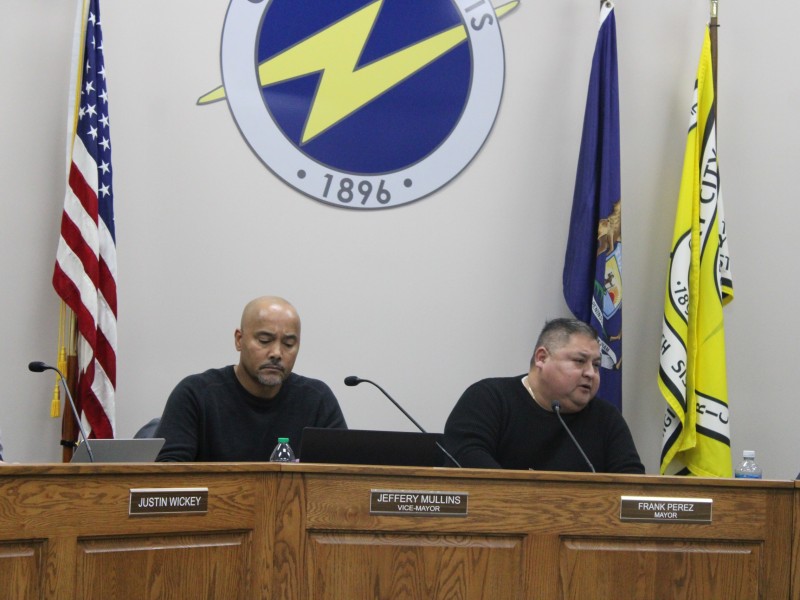
Sturgis Commission approves compost site changes amid price hike frustrations from local contractors
One resident said the city raised prices by more than 400% for commercial users without phasing in the increase.
“It’s not our fault and we shouldn’t have to bear the burden that the city has decided not to increase the price for 18 years, so now you’re going to put that all on the business owners who take care of this town and make it look nice?” said Noah Hahn, who owns a lawn care business in the city.
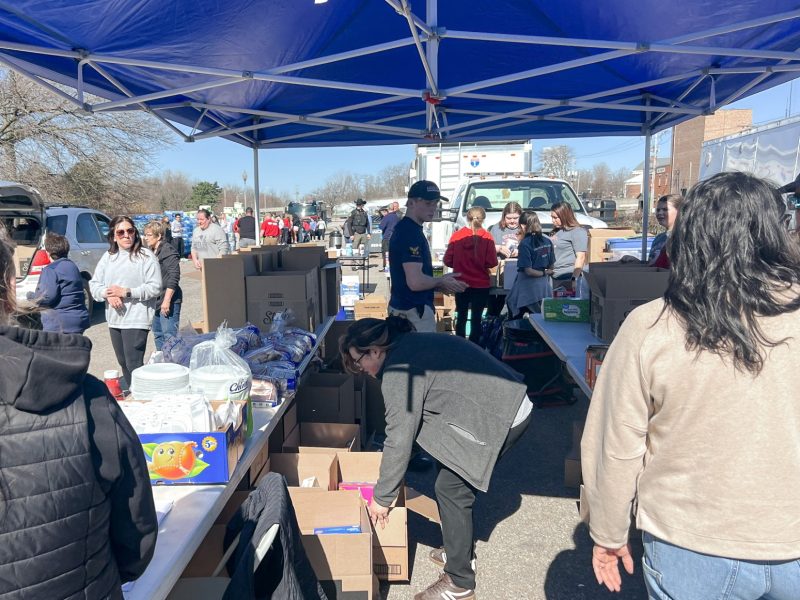
Three Rivers Area Community Foundation awards $20,000 grant to St. Joseph County United Way for tornado recovery
Together with support from the Sturgis Area Community Foundation (SACF), a combined $20,000 grant has been awarded to the St. Joseph County United Way to assist individuals and families impacted by the storm.
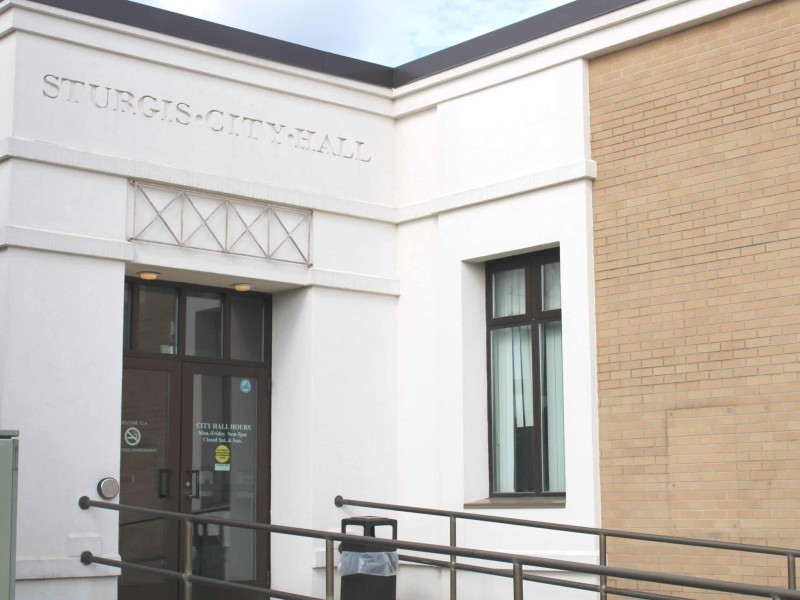
Local meeting primer: Sturgis City Commission
A quarterly finance report, compost site rule changes, and a letter of intent on three electric generators round out the Sturgis City Commission’s agenda for its meeting on Wednesday, March 25.
