
Sturgis City Commission advances new burning rules, directs next steps on Doyle Center roof
The most contentious item on the agenda was the Burning Ordinance First Reading, a proposed update to the city’s Fire Prevention and Protection chapter that, according to the city manager’s report, has not been revised since 1969.
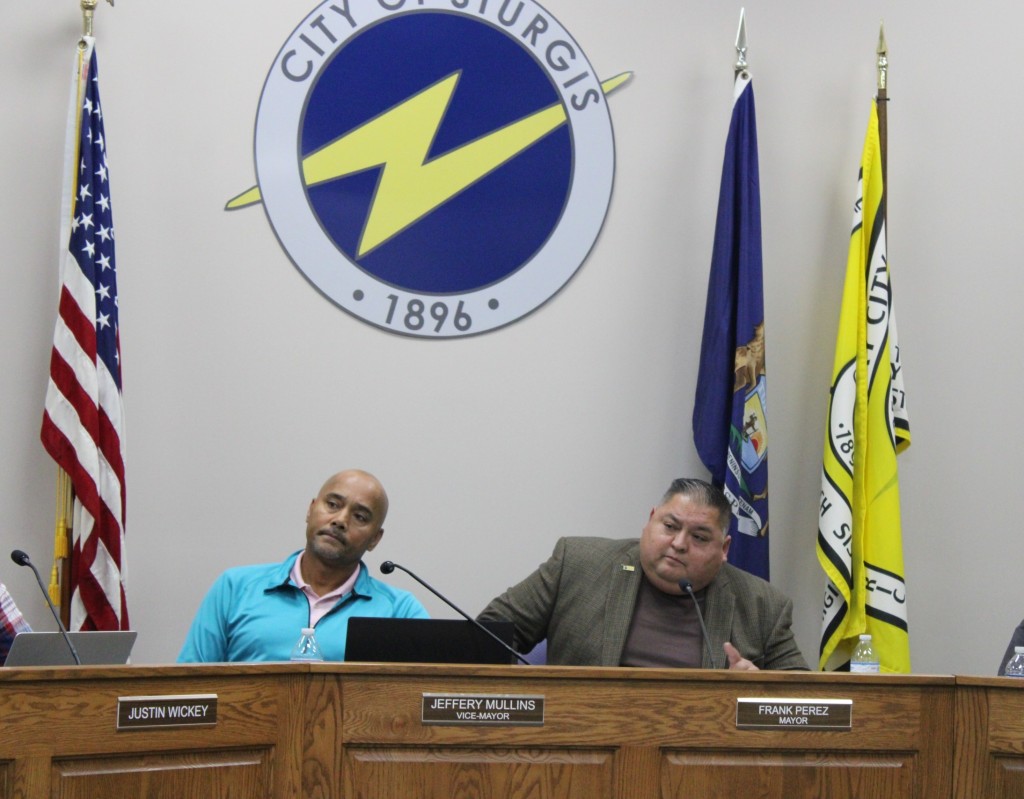
The Sturgis City Commission met Wednesday, January 28, to consider updates to the city’s burning ordinance and discuss parks and recreation infrastructure investments, including a proposed new roof at the Doyle Community Center.
The most contentious item on the agenda was the Burning Ordinance First Reading, a proposed update to the city’s Fire Prevention and Protection chapter that, according to the city manager’s report, has not been revised since 1969.
Among the most significant changes in the proposed update are new regulations governing open burning and outdoor wood-burning furnaces, commonly referred to as wood boilers. The ordinance would newly regulate their installation and use, citing concerns about smoke, health impacts, and neighborhood nuisances. City staff reported that only two outdoor wood-burning furnaces in the city would be affected by the new rules, one of which is not currently in use. Staff also said the remaining unit is not the property owner’s primary source of heat.
The proposal would also allow residents to burn seven days a week until 11 p.m., compared with the current ordinance, which limits burning to 7 p.m. and prohibits burning on Sundays. Burning barrels would no longer be permitted under the revised code.
The issue prompted more discussion than any other agenda item.
Commissioner Marvin Smith objected to the removal of burning barrels, citing their use for destroying sensitive documents and reducing the risk of identity theft.
“With identity theft, a tweaker ain’t going to put ashes together, but they will put shredded paper together, so it’s kind of important to have that option,” Smith said.
Smith also raised concerns about the proposed regulations on outdoor wood-burning furnaces.
“You’re going to make people go out and pull their furnace out in the middle of winter,” Smith said.
City Fire Chief Cody Cripe responded that staff research identified only two noncompliant units, one of which is not operating. Later in the discussion, Cripe said the remaining unit is not the resident’s primary heating source.
Commissioners Richard Bir and Linda Harrington also voiced opposition to the proposal, particularly the extension of allowable burning hours to 11 p.m. Both said smoke from neighboring fires already affects them when they keep windows open during warmer months and expressed concern that residents might burn later than allowed.
The commission approved the ordinance’s first reading on a 6–3 vote. Commissioners Justin Wickey, Aaron Miller, Cathi Abbs, Daniel Boring, Vice Mayor Jeff Mullins, and Mayor Frank Perez voted in favor. Commissioners Smith, Bir, and Harrington voted against.
The ordinance must return to the commission for a second reading before it can be adopted.
Commissioners also discussed repairs to the roof at the Doyle Community Center and directed City Manager Andrew Kuk to pursue the metal roof retrofit option, estimated at approximately $696,000. While commissioners acknowledged the higher upfront cost, several said the option appeared to be the most cost-effective long-term solution given the building’s condition. No formal funding approval was made, and Kuk was instructed to return to the commission with next steps.
During commissioner and staff comments, Kuk also highlighted a state funding initiative related to lead service line removal that the city is seeking to pursue. City staff recently signed onto an interest list to remain eligible for future funding opportunities. During the discussion, City Engineer Barry Cox said the city currently has 414 lead service lines that can be possibly replaced by the DWSRF project he was presenting at the meeting. Cox also reported that the cities total lead service lines is estimated to be around 1500. Kuk noted the issue is expected to come before the City Commission at a future meeting.
Maxwell Knauer is a staff writer for Watershed Voice.
Editors note: This article has been updated to clarify details about Barry Cox and his reports about a lead service line project. The update was made at 12:36 p.m. on Sunday, February 1.
Author

Related Articles
Sturgis City Commission approves burning ordinance, lead line funding plan, and Electric Center construction manager selection
Public Services Director Barry Cox presented an opportunity for the city to pursue federal Bipartisan Infrastructure Law funding administered through the state’s Drinking Water State Revolving Loan Fund. Cox said the funding could “turbocharge” Sturgis’ lead service line replacement program ahead of the state’s 2037 deadline.

Glen Oaks nursing club completes 250+ service hours during fall semester
Launched in winter 2024 and open to all nursing students, the club aims to instill a strong sense of civic responsibility while offering opportunities to develop leadership and teamwork skills. This fall, 36 students participated, with 25 meeting the eight-hour-per-semester service requirement.

Sturgis voters to decide on school bond proposal in May
According to district materials, the proposal would fund improvements at multiple schools buildings, including Sturgis High School, elementary schools, the middle school, and support facilities. Projects include roof replacements, restroom renovations, Americans with Disabilities Act (ADA) accessibility upgrades, secure entry vestibules, boiler replacements, classroom and library renovations, and site improvements such as sidewalks, parking and drainage.
The proposal also includes athletic and extracurricular upgrades, such as new synthetic turf for football, baseball, and softball fields; a new running track and field event areas; updated stadium lighting and seating, and expanded athletic restroom facilities.
