
Local dispensaries concerned over proposed 32% marijuana tax
While there is no existing wholesale tax on marijuana, the proposed increase would be in addition to the 10% excise tax on recreational marijuana, which consumers already pay on top of the state’s 6% sales tax.
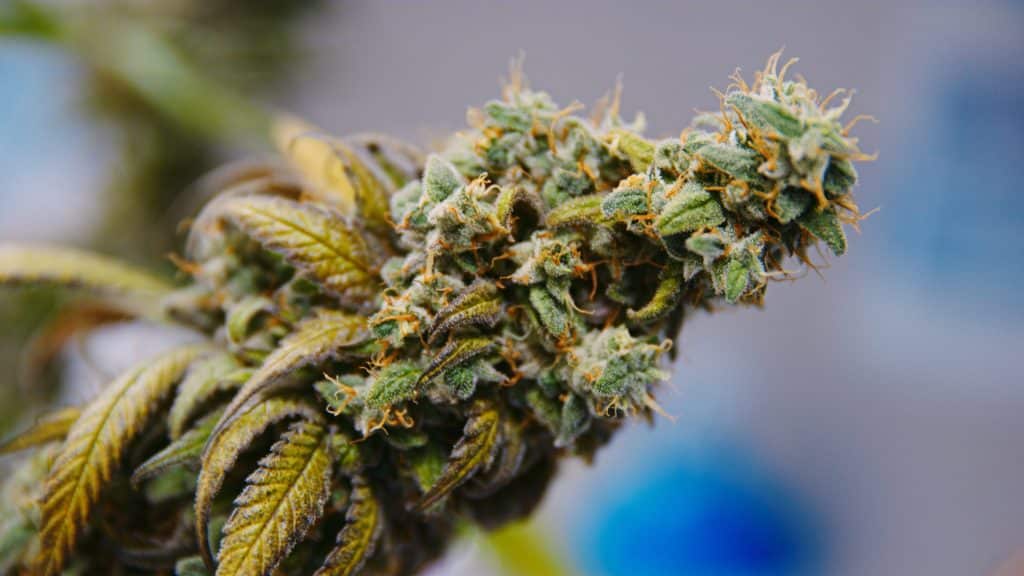
Michigan dispensary owners are voicing concerns over a proposed 32% wholesale tax on marijuana, which Gov. Gretchen Whitmer says would generate $470 million annually for road improvements.
Whitmer introduced the plan earlier this month as part of her proposed $3 billion “Mi Road Ahead” infrastructure initiative. In a statement, her office described the proposal as “fiscally responsible and balanced.” The governor also noted that Michigan’s marijuana tax is currently the fourth-lowest in the nation, fueling rapid growth in the industry.
While there is no existing wholesale tax on marijuana, the proposed increase would be in addition to the 10% excise tax on recreational marijuana, which consumers already pay on top of the state’s 6% sales tax. The wholesale tax would directly impact growers, with costs likely being passed down to retailers and consumers.
“Every product we buy wholesale will have an added tax that we’ll have to pass through to the customer, just like we already do with sales and excise taxes,” said Mara Kore, general manager of Confluence, a dispensary in Three Rivers. “That’s definitely a burden on customers who will end up paying for it.”
Kore noted the marijuana industry is already struggling due to oversupply, leading to declining revenues. She fears the proposed tax would worsen that trend.
According to the Michigan Cannabis Regulatory Agency, the state now has 850 marijuana retailers — nearly doubling the 432 that existed in 2021. As supply has increased, prices have dropped significantly, with the average cost of an ounce falling from $204 in 2021 to $74 in 2024.
Watershed Voice reached out to Whitmer’s office for comment on the tax’s potential impact on small businesses but did not receive a response before publication.
Despite concerns, Kore remains hopeful the tax proposal will not pass, as it requires a two-thirds majority vote in the Legislature.
“We’re on the fence about how to approach this,” she said. “From what I’ve read, it’s unlikely to pass. At this point, I’m assuming it won’t, and like everything in this industry, we’ll just have to adapt.”
Najifa Farhat is a staff reporter for Watershed Voice.
Author

Related Articles
Community input reshapes path for Winchell-Howard school safety plan
Kalamazoo City Commissioner Chris Praedel said the process reflected strong community engagement.
“It’s refreshing to see these outcomes when it happens this way. It does not always turn out this way, and I am grateful that it has — but it only happens this way when everybody is willing to lean in and try something a little bit different,” Praedel said.
The project combines improvements along two corridors — Winchell Avenue and Howard Street — under a single MDOT contract, meaning the elements cannot easily be separated for approval.
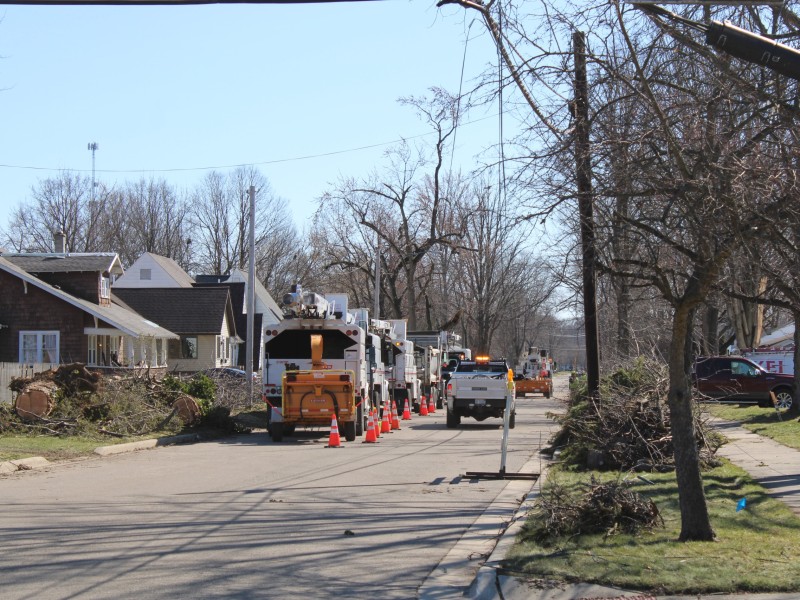
Additional damage assessments scheduled in Cass County following tornado
Three assessment teams will be deployed and will move between affected jurisdictions throughout the day Tuesday and Wednesday. Residents in impacted areas may see officials visiting neighborhoods to visually assess damage from public rights-of-way or, in some cases, briefly approaching properties to document storm impacts.
Local meeting primer: Three Rivers City Commission
Tuesday’s meeting has a short agenda with two business items. However, many residents are expected to attend and speak during public comment about their experiences during the tornado and the city’s response.
Some residents have criticized the city’s response to the storm, including coordination of volunteers and distribution of resources.
Mayor Angel Johnston told Watershed Voice during a phone call on Monday, March 9, discussing the city’s tornado response, that she is frustrated with City Manager Joe Bippus.
“I think it’s time for a new city manager and I’m not afraid to say it,” Johnston said. “That’s what I will probably be saying repeatedly on Tuesday night.”
