
Sturgis protesters decry federal policies affecting jobs, education, and human rights
A citizens’ protest was held at Memorial Park on Friday, March 28, bringing together voices from various backgrounds, all sharing concerns about policy changes they believe are harming their communities

Locals gathered to voice their concerns and dissatisfaction Friday over the federal government’s policies, which they say target a wide range of vulnerable people, divide the country, and wreak havoc on finance, education, healthcare, and human rights.
A citizens’ protest was held at Memorial Park in Sturgis on Friday, March 28, bringing together voices from various backgrounds, all sharing concerns about policy changes they believe are harming their communities.

Chris Horsmon of Three Rivers voiced frustration over what he described as widespread, arbitrary job cuts across government agencies.
“Tens of thousands of people are being fired without any consideration for the work they do — it’s happening in every department,” she said. “We’re losing scientific knowledge, expertise, research, jobs, and healthcare. This ‘shoot first, aim later’ approach is destroying the country.”
Horsmon also criticized her representative Tim Walberg, for a lack of responsiveness to constituents.
“I write to my representative and never hear back,” she said. “He seems confident that he doesn’t need to listen to his own people.”
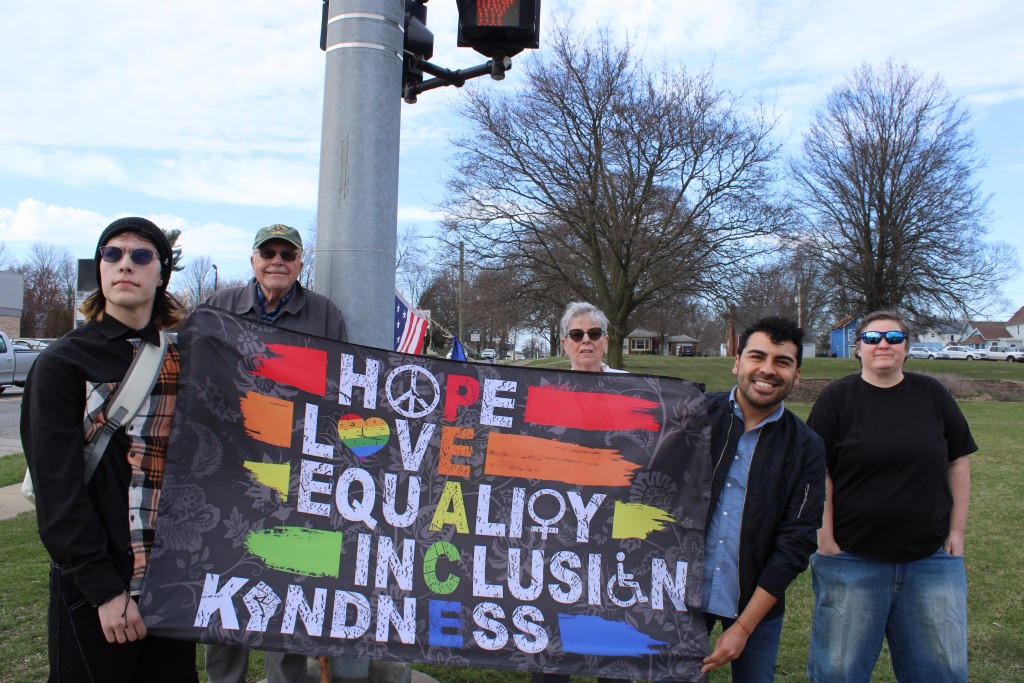
Concerns over LGBTQ+ rights were also raised during the protest. Members of Sturgis Pride attended, warning that recent government actions could impact same-sex marriages and social security benefits for LGBTQ+ individuals.
“We stand here for the race, the religion, and the rainbows to be together,” said Xavier Hall, representing the group. “At the end of the day, we’re all human, and we all deserve to be treated as such. We shouldn’t be divided into separate groups.”
While the protest included support for immigrant rights, many members of the Hispanic community refrained from attending out of fear, organizers said.
“People are afraid of ICE,” said Didimo Arreola, who represented the Sturgis-based Hispanic organization Centro Vida. “Sturgis hasn’t been targeted yet, but the Hispanic community is ready and prepared in case ICE decides to show up. We’re here to show support for those who feel like they don’t have a voice.”

Mike Bobalik, a member of the St. Joseph County Democratic Party, is concerned about the government targeting immigrants and imposing tariffs, and how it could have serious consequences for Michigan’s agricultural industry.
“This is a heavily agricultural area, yet farmers are not being respected,” he said. “Many who supported this administration with their votes will have no say in how these tariffs negatively impact them.”
Environmental issues were another point of contention for protesters. Sturgis resident Greg Brooks said current policies are setting back climate change efforts.
“I don’t feel like [the administration] cares at all about future generations,” Brooks said. “The damage he’s going to do to the environment in the next four years could be irreversible.”

Johnson Baugh, a military veteran, condemned the administration’s treatment of veterans, particularly recent cuts to the Department of Veterans Affairs. In early March, the Trump administration announced plans to cut 80,000 VA employees — a move Baugh believes will severely impact veterans’ access to essential services.
“As a veteran, I take personal offense at what he’s done,” Baugh said. “We usually stay quiet, but when you see security violations and cuts to the VA, I can’t imagine any veteran supporting what this administration is doing.”
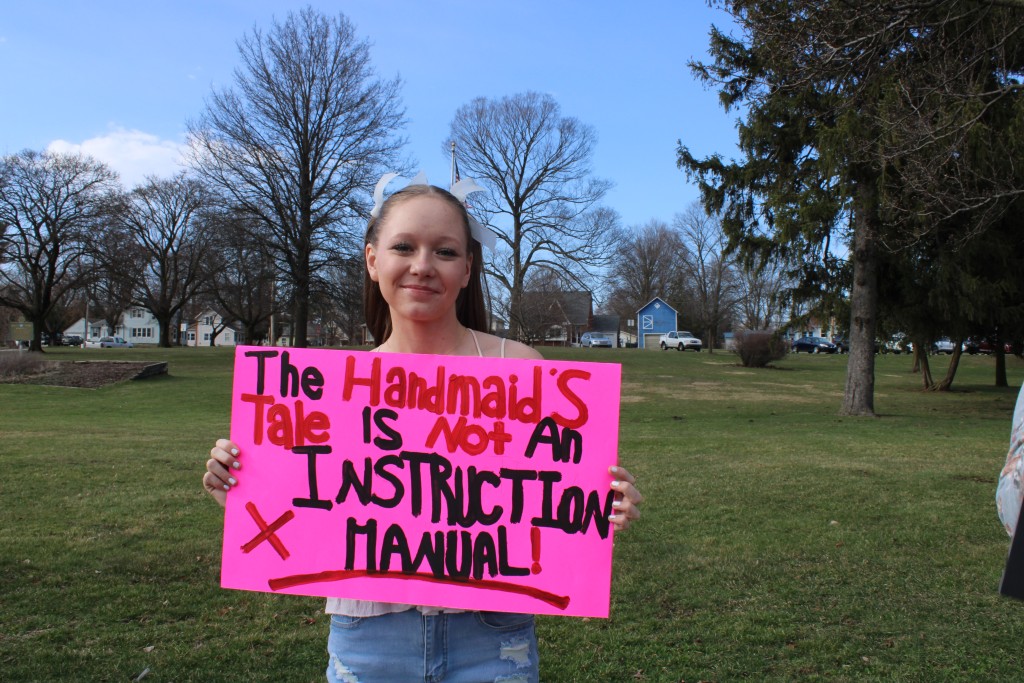
Kay Davis, an IT employee at Lakeland School Corporation in LaGrange, worries that federal funding cuts could cost her job.
“My position might be eliminated in July due to reductions in education funding,” she said. “We’re losing our Title I funds, which are critical for our schools. Our technology department is already small, with just five people, and we expect to lose at least one, maybe two. Even if we keep our jobs, we’ll be forced to take on the extra workload.”
Najifa Farhat is a staff reporter for Watershed voice.
Author

Related Articles
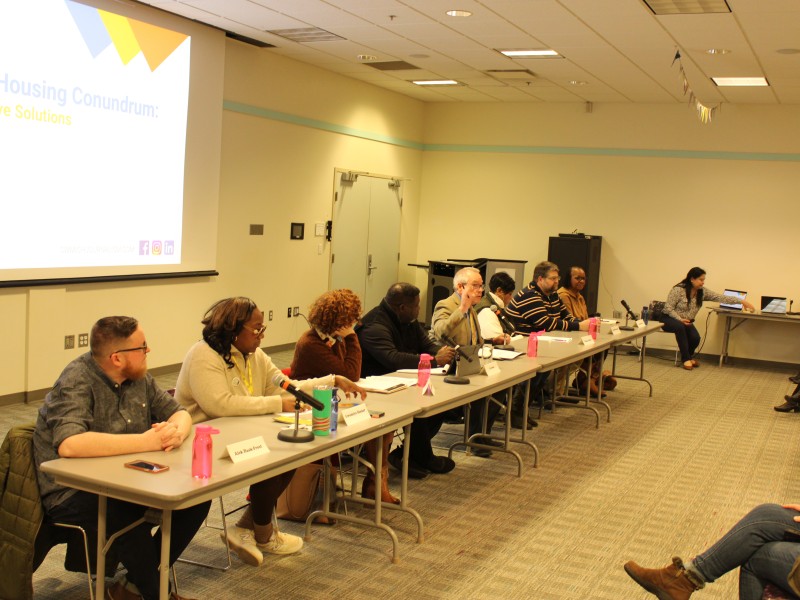
Journalists and advocates gather in Kalamazoo to discuss affordable housing
Panelists included journalists who regularly cover housing and community issues — Watershed Voice editor-in-chief and founder Alek Haak-Frost, Brad Devereaux of MLive, Jordyn Hermani of Bridge Michigan, and freelance journalist Al Jones, project editor for On the Ground Kalamazoo — as well as housing advocates Gwendolyn Hooker of Kalamazoo-based Hope Through Navigation, Shanay Settles of the Calhoun County Health Department, and Patsy Moore of Mount Zion Baptist Church and Legacy Senior Living.
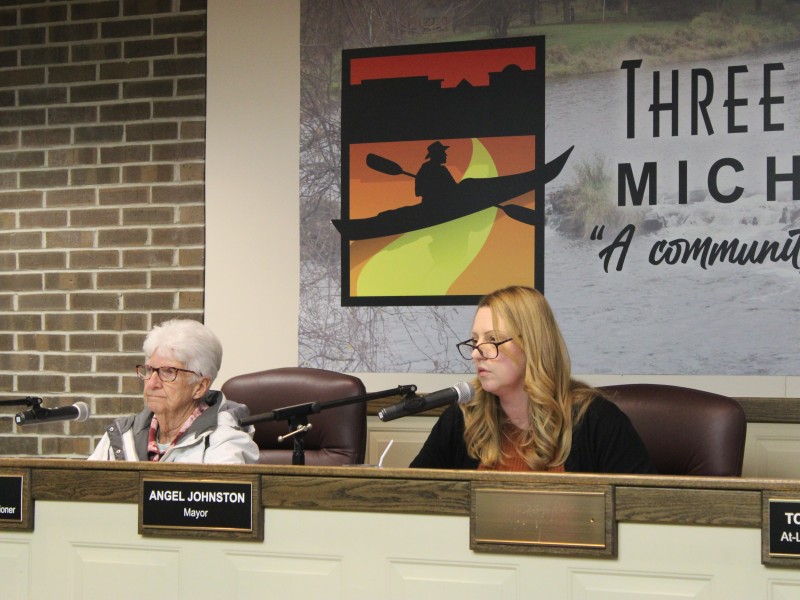
Three Rivers City Commission approves spa, orders review of city code language
Three Rivers Mayor Angel Johnston cited specific examples of language from the city code that she said was troubling.
“Of the prohibited things that you can and cannot do, homosexual and other deviant behaviors. Now that bothers me to my core. I don’t believe that homosexuality is deviant, and I hope that nobody in this room does either,” Johnston said, reading from the ordinance.

KDPS chief says Flock cameras not used for immigration enforcement as residents raise concerns
Multiple speakers, including members of the advocacy group We the People, urged commissioners to remove the cameras and asked city leaders to state they would not assist federal immigration officers if they came to Kalamazoo.
In response, Kalamazoo Department of Public Safety Chief David Boysen described how the department uses Flock cameras and outlined what he said are prohibited uses of the technology.
