
Three Rivers Area Mentoring reimagines youth support in St. Joseph County
TRAM works closely with Three Rivers Community Schools to provide both in-school and after-school mentoring. Volunteers — often retired teachers, veterans or other caring community members — meet with children for one hour each week.
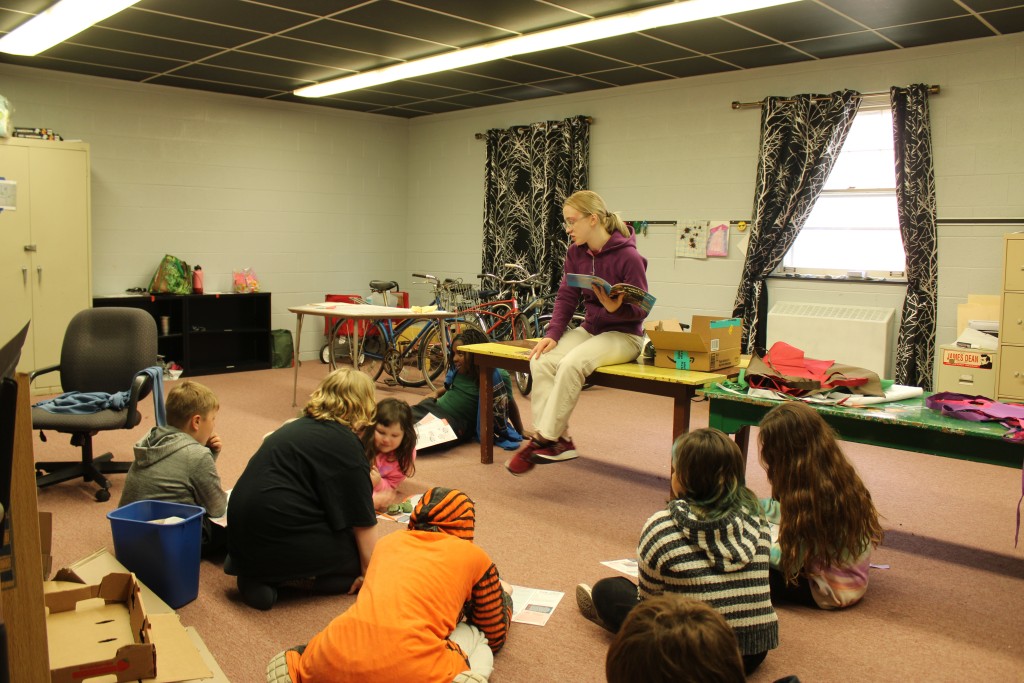
In a world where young people face growing challenges, one local organization is stepping up to ensure they don’t face them alone.
Three Rivers Area Mentoring — better known as TRAM — has quietly supported youth in St. Joseph County for nearly 40 years. Once modeled after the traditional “Big Brother Big Sister” program, the organization has since expanded its mission to meet the changing needs of children and families, especially in the wake of the COVID-19 pandemic.
“It’s changed a lot, especially since the pandemic,” said Executive Director Mary Yost. “We realized the needs of families and children have shifted, and we’ve adapted to meet them. What we do now isn’t just mentoring — it’s creating community.”
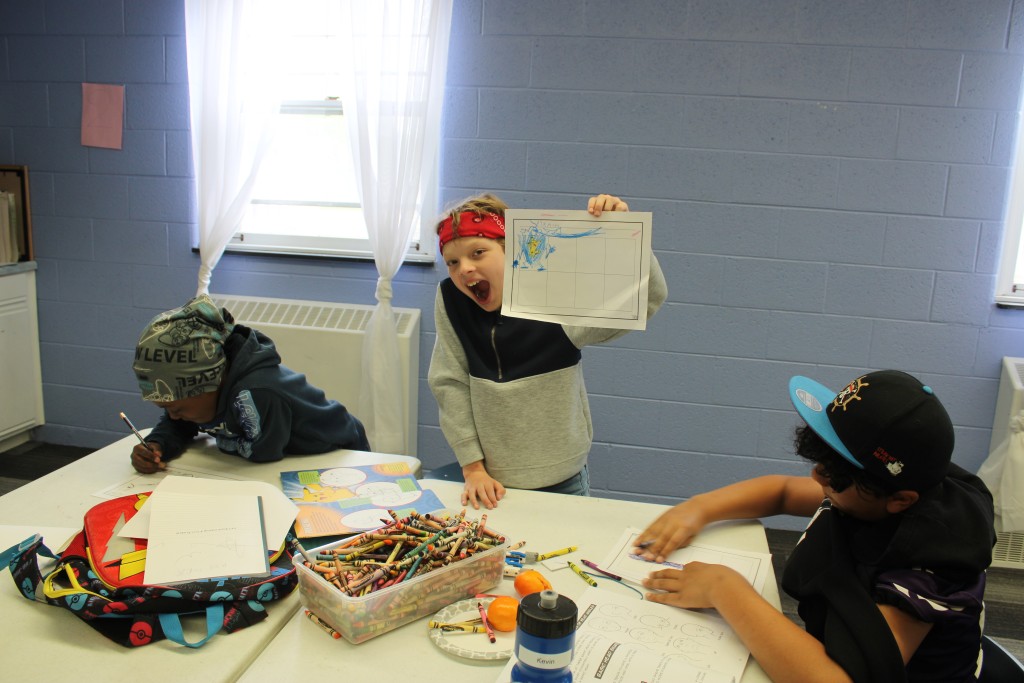
TRAM works closely with Three Rivers Community Schools to provide both in-school and after-school mentoring. Volunteers — often retired teachers, veterans or other caring community members — meet with children for one hour each week.
“They help with homework, talk with the kids, or just listen,” Yost said. “It’s one hour a week, but it can change a child’s life.”
In the past, mentors could take children to meals or off-site activities. Today, sessions are held in structured, supervised environments to ensure safety and consistency. Most meetings now occur during school hours or as part of TRAM’s after-school program.
More than mentoring
The after-school program runs Monday through Friday from 3 to 6 p.m. at First United Methodist Church in Three Rivers. Students are bused from school to the program site, where they receive snacks, complete homework, and participate in enrichment activities.
On a recent Tuesday, elementary student Sawyer Murray was painting a mask as part of art time. Unlike some of his classmates, Sawyer prefers to create functional masks inspired by anime and pop culture for his YouTube channel.
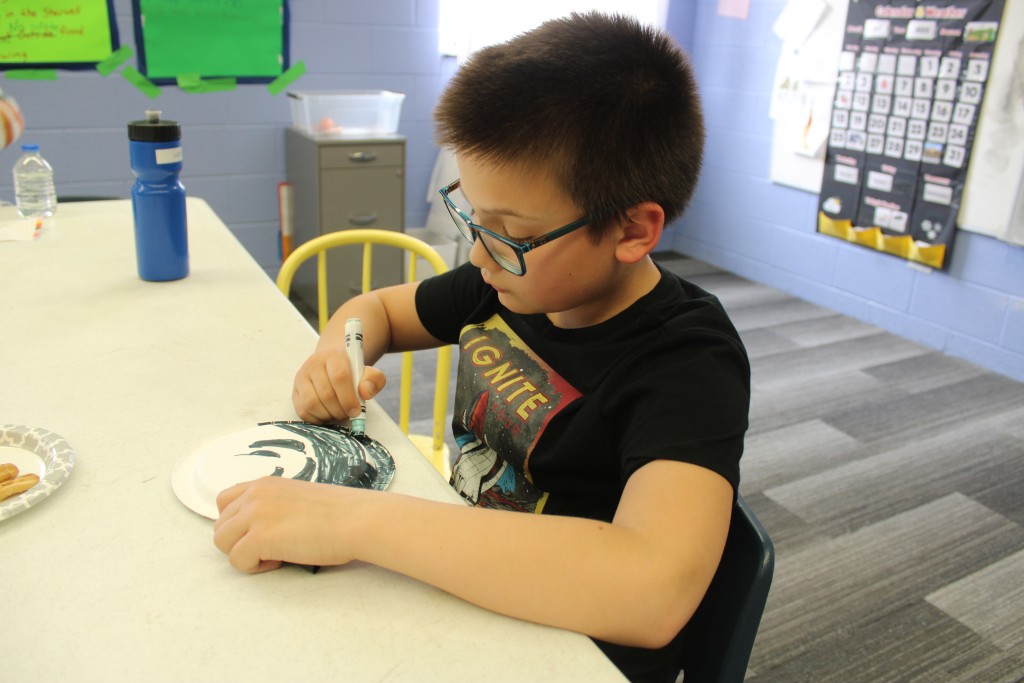
“It’s a mask for my YouTube channel,” he said. “Stuff from anime and different shows. You can actually use it instead of just drawing it.”
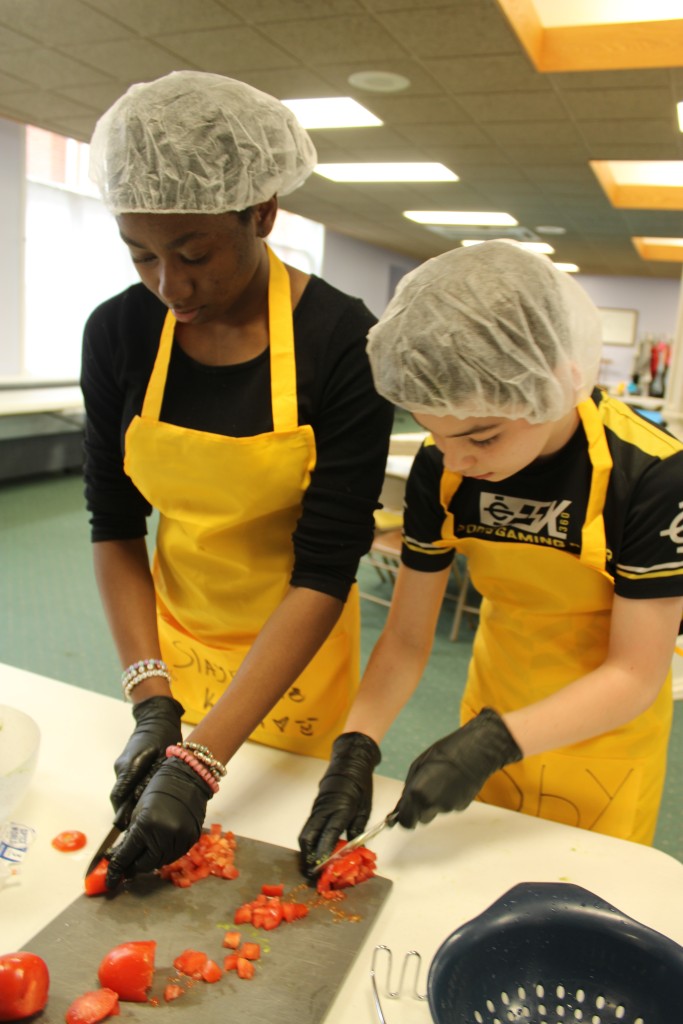
While Sawyer painted, others were cooking tacos in the kitchen, repairing bikes or enjoying supervised playtime in the park.
“We’re not just trying to teach them academics,” said Isabella Yost, a paraprofessional at Andrews Elementary and TRAM staff member. “We work on the whole person. We meet kids where they are — and we’ve seen incredible growth.”
Lifelong impact
Mentors, like the students, are deeply affected by the program. Annette Curtis, who works at Ascension Borgess Hospital, has volunteered with TRAM for 30 years. She’s seen the program change, taken breaks during her own life journey, and remains committed.
“It makes you feel really good,” Curtis said. “I mentored a little girl, and through her, got involved with her three siblings. I’m still in touch with them — I go to their weddings, baby showers. I’m part of the family now.”
Each mentor typically works with one child for one hour a week. While mentoring once included outings, most sessions now take place in the program center, often with groups.
“One-to-one mentoring is still very personal,” Curtis said. “Sometimes kids just need someone to really listen — especially when life at home gets complicated.”
Many children come from complex family situations, she said, such as divorce, the loss of a parent or transitioning to grandparent care. Others come from stable households but may be homeschooled or have parents working long hours, leaving them in need of extra attention and social connection.
TRAM serves students in grades two through eight from all four local elementary schools and the middle school. Although students “age out” in high school, many keep in touch with their mentors.
“We now have second-generation mentees,” said Mary Yost. “Parents who were once in TRAM are now signing their own children up. That’s powerful.”
Looking ahead
This summer, TRAM will host its annual STEAM (Science, Technology, Engineering, Art and Math) camp from June 9–13 at the Huss Project.
Apart from that, TRAM currently has just nine active mentors. The organization is actively recruiting volunteers and hopes to expand into other areas of St. Joseph County.
“We have kids who need this — and we need more people who want to make a difference,” Mary Yost said. “You don’t need to be a teacher. You just need to care.”
Najifa Farhat is a staff reporter with Watershed Voice.
Author

Related Articles

Sturgis voters to decide on school bond proposal in May
According to district materials, the proposal would fund improvements at multiple schools buildings, including Sturgis High School, elementary schools, the middle school, and support facilities. Projects include roof replacements, restroom renovations, Americans with Disabilities Act (ADA) accessibility upgrades, secure entry vestibules, boiler replacements, classroom and library renovations, and site improvements such as sidewalks, parking and drainage.
The proposal also includes athletic and extracurricular upgrades, such as new synthetic turf for football, baseball, and softball fields; a new running track and field event areas; updated stadium lighting and seating, and expanded athletic restroom facilities.
Local meeting primer: Sturgis City Commission
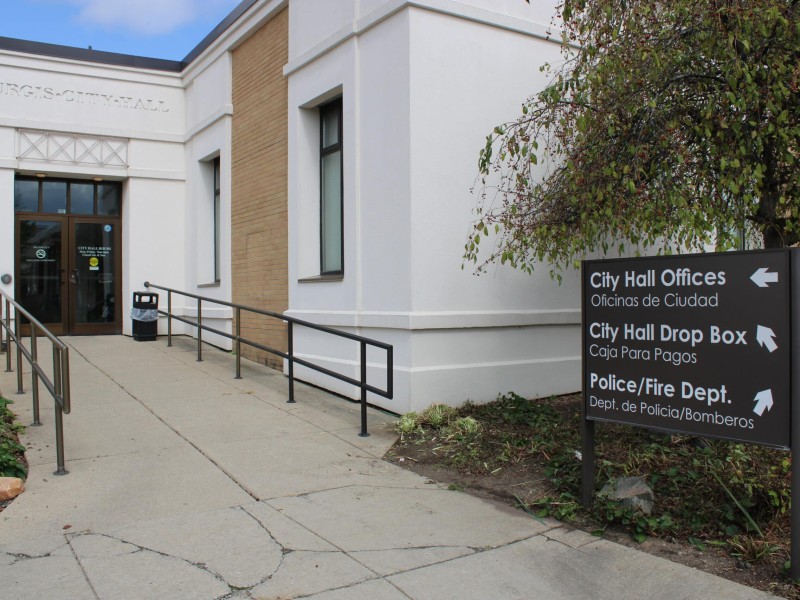
The Sturgis City Commission will meet this Wednesday, February 11, at 6 p.m. at Sturgis City Hall. Commissioners will revisit two proposed ordinance changes from their last meeting—burning regulations and promotional display rules—and consider several new business items, including a Drinking Water State Revolving Loan Fund (DWSRF) project plan related to lead service line replacement, hiring a construction manager for the Sturgis Electric Center project, and the decertification of a portion of S. Park Street.
Journalists and advocates gather in Kalamazoo to discuss affordable housing
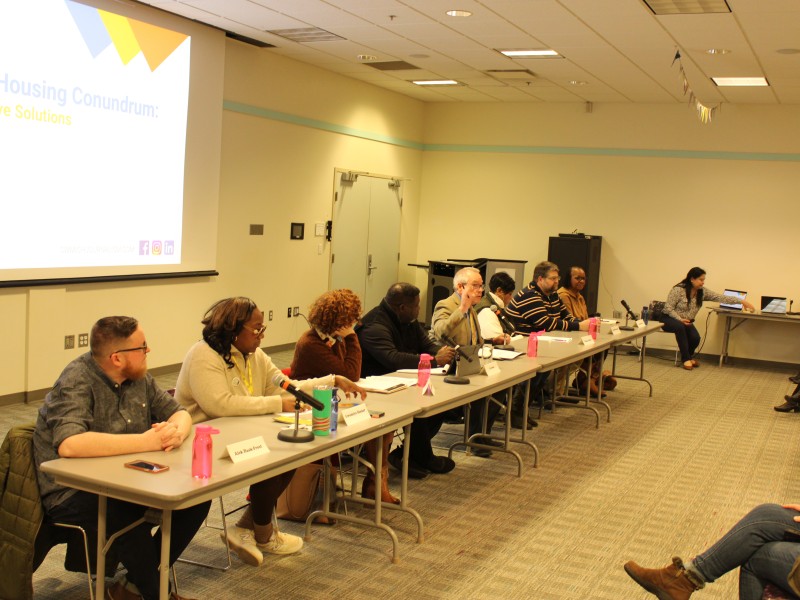
Panelists included journalists who regularly cover housing and community issues — Watershed Voice editor-in-chief and founder Alek Haak-Frost, Brad Devereaux of MLive, Jordyn Hermani of Bridge Michigan, and freelance journalist Al Jones, project editor for On the Ground Kalamazoo — as well as housing advocates Gwendolyn Hooker of Kalamazoo-based Hope Through Navigation, Shanay Settles of the Calhoun County Health Department, and Patsy Moore of Mount Zion Baptist Church and Legacy Senior Living.
