
Despite success, Three Rivers High School summer program struggles to attract incoming freshmen
“There’s still this idea that summer programs are for students who are behind, or that they’ll be rigid and boring,” Assistant Principal Nick VanDenBrink said. “But the Bridge Program is flexible, student-centered and designed to build confidence. It’s about setting students up for success before day one.”
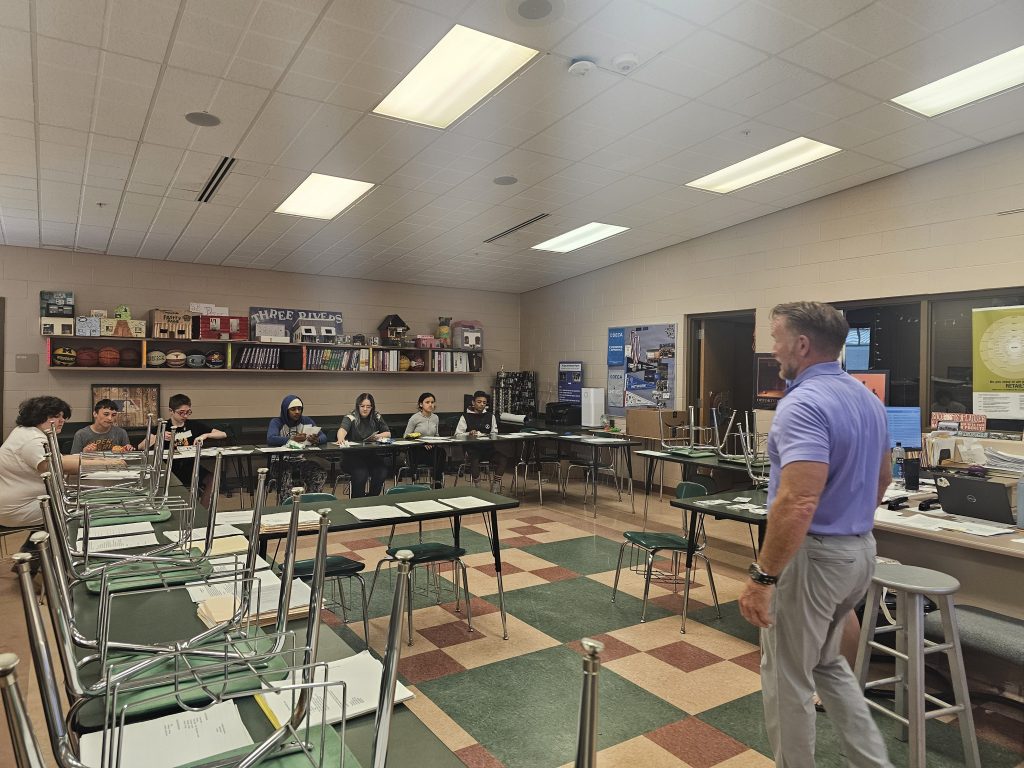
A summer program designed to help incoming freshmen succeed at Three Rivers High School is showing strong results — but not enough students are showing up.
The Bridge Program supports students as they transition from middle to high school with academic instruction, social-emotional learning, and team-building. But despite its benefits, participation has remained low, with only about 10% of the incoming freshman class enrolling this summer.
“This year we had about 15 students out of roughly 150,” said Assistant Principal Nick VanDenBrink, who created the program after witnessing similar efforts while working in the Lansing School District. “We know it’s effective. The students who participate come into high school more confident and less likely to need credit recovery. We just need more families to take advantage of it.”
The 16-day summer program, funded by Michigan’s “Kids Back on Track” grant, runs Monday through Thursday in June. Students arrive at 7:30 a.m. for breakfast, followed by instruction from 8 a.m. to noon. Lessons include grammar, budgeting, career exploration, personality assessments and leadership exercises. Teachers design curriculum around real-world applications to make the content feel relevant and engaging.
“It’s not like summer school — it’s fun and relaxed,” said English teacher Nicole Larimer-Gills, now in her fourth year with the program. “We build in breaks, snacks, and team activities. It’s about connection as much as content.”
Larimer-Gills and her teaching partner Marissa Chiodo adjust their English lessons each year based on student needs, using pre-assessments to guide instruction. This summer, grammar and sentence structure were major focuses. To keep students engaged, they introduced a graphic novel unit.
“They’re super excited about it,” Chiodo said. “We often hear students say, ‘I don’t like reading,’ but then they’re completely into the story. That shift in attitude makes a big difference.”
The program is open to all eighth graders in the Three Rivers Community Schools district. VanDenBrink emphasized that it isn’t just for students who are struggling.
“It’s for any student who wants to feel more prepared — socially, emotionally and academically,” he said. “Middle school and high school are very different, and students don’t always know what to expect. We want to give them a head start.”
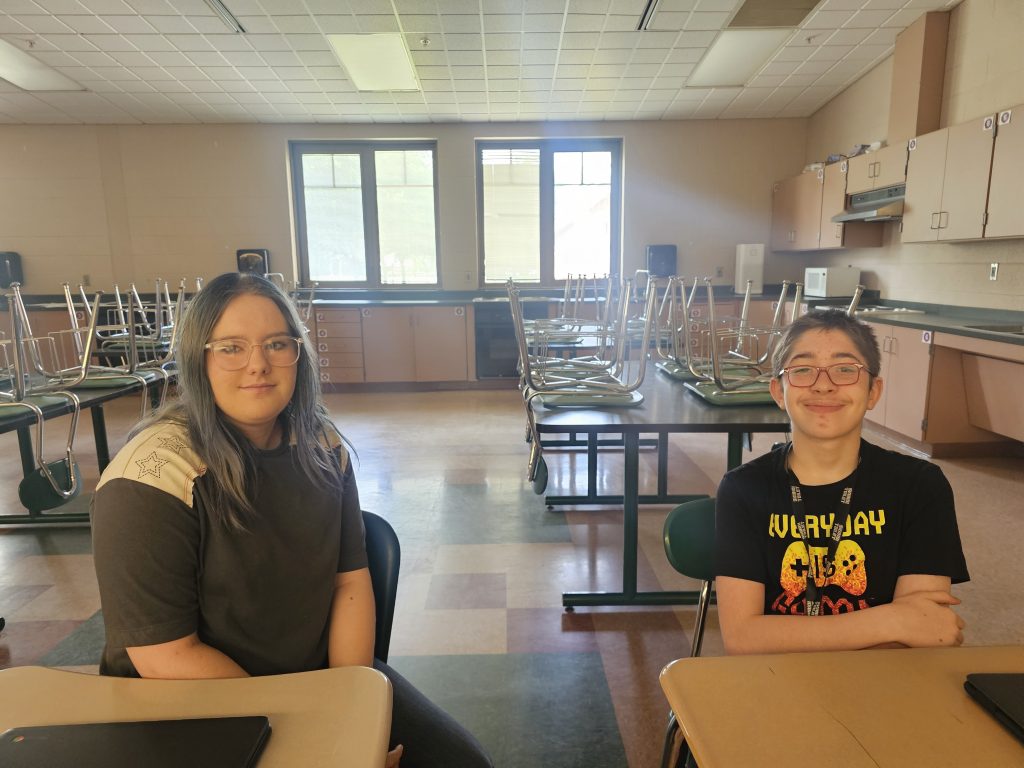
Students like Kourtlyn McLaughlin and Nathan Hightree said the program helped ease their nerves. “I’m learning stuff I didn’t know, and it’s getting me ready for ninth grade,” McLaughlin said. “I like math because I get to help other students, and we’re learning new things together.”
Nathan said he appreciates the people as much as the content. “We learn about new things and about each other,” he said. “It’s helping me feel less nervous. I’m starting to get better at it.”
Both said they wished more of their peers had joined them. “Sometimes students don’t come because they think it’ll be boring or like regular school,” Chiodo said. “But once they’re here, they’re engaged. It’s not just academics — it’s relationship building and helping them walk into high school with a sense of belonging.”
VanDenBrink agrees the challenge is largely one of perception.
“There’s still this idea that summer programs are for students who are behind, or that they’ll be rigid and boring,” he said. “But the Bridge Program is flexible, student-centered and designed to build confidence. It’s about setting students up for success before day one.”
Even with modest enrollment, the program’s long-term benefits are visible. “We’ve had students come back and tell us this helped them succeed,” Chiodo said. “Some even become leaders in school because of the confidence they gained here.”
The program’s future depends on continued state funding, as well as increased community engagement. VanDenBrink said he hopes to grow enrollment to at least 30 to 35 percent of incoming freshmen.
“We want students to walk into high school knowing trusted adults and feeling like they belong,” he said. “That foundation can make all the difference.”
Najifa Farhat is a staff reporter with Watershed Voice.
Author

Related Articles
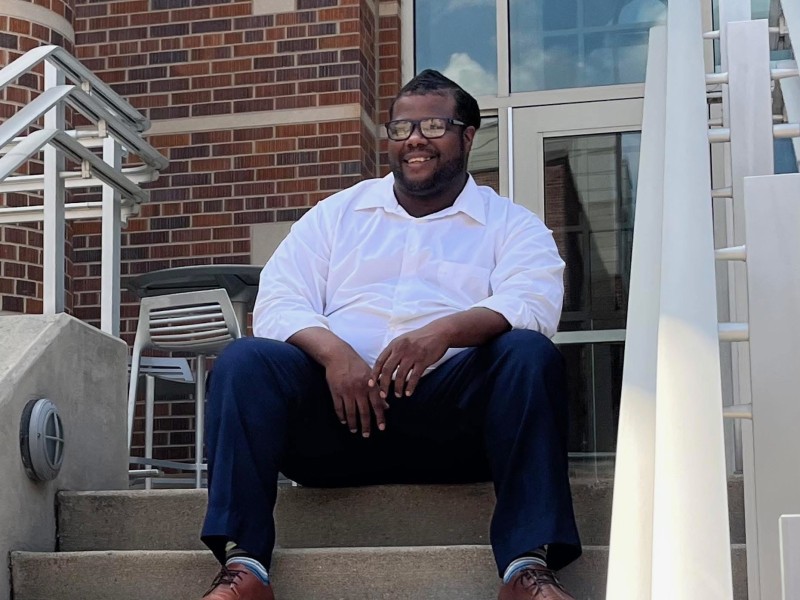
Drew Duncan says policy saved his life — now he’s shaping it
“My life was saved because of the Affordable Care Act,” Kalamazoo City Commissioner and Vice Mayor Drew Duncan said. “Without it, I would not have received care.”
Now 36, Duncan sees that period — when he was diagnosed in late 2009 and underwent treatment through 2011 — as foundational. It was the moment policy stopped being abstract.
“I have a story that is like many people — but maybe not a story people would expect,” he said. “I try to enter the room with a listening posture. I see urgency around the issues that are plaguing my constituents.”
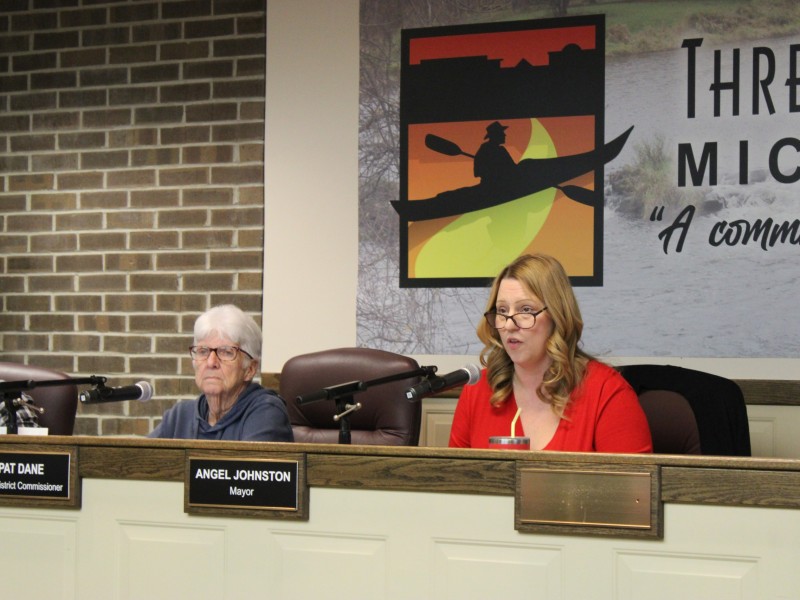
Three Rivers Commission approves early voting update, demolition contract
Commissioners unanimously approved all agenda items, including an amendment to the county early voting site agreement, a box hangar lease transfer, and the demolition of 318 S. Main St.
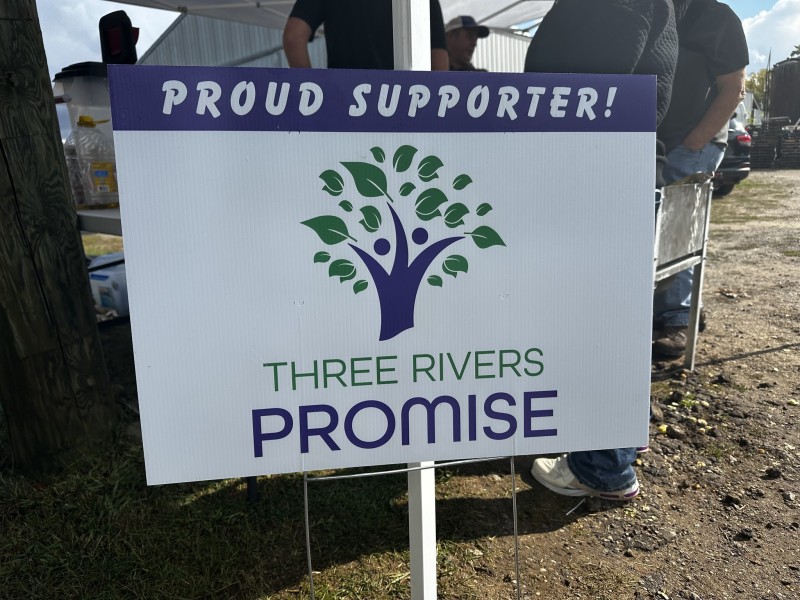
Three Rivers Promise surpasses $1 million in fundraising campaign
Three Rivers Promise has raised more than $1 million toward its goal of creating a long-term scholarship endowment for graduates of Three Rivers High School.
The organization is in the initial phase of a community fundraising campaign aimed at building a self-sustaining fund to support tuition assistance for eligible graduates.
