
Constantine’s exit from wastewater system to free up capacity for new development in Three Rivers
With PFAS levels expected to decline, the city eyes business growth and reduced pollution.
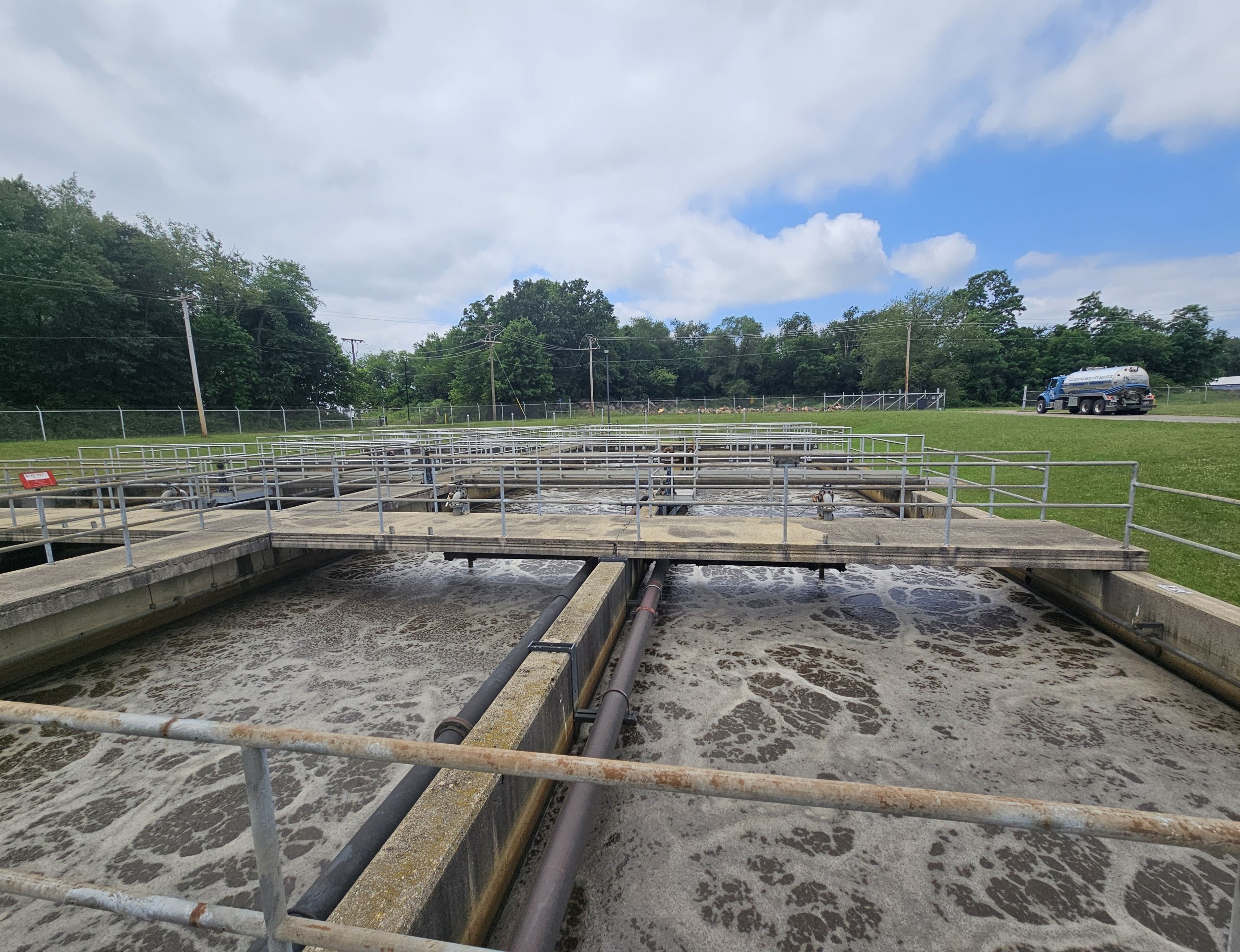
After nearly 25 years of sending its wastewater to Three Rivers, the Village of Constantine is preparing to disconnect from the city’s treatment system, a move that city officials say will reduce pollutant levels and open the door for new business development.
Constantine is expected to bring its new wastewater treatment plant online by late July or early August. The switch comes after years of pipeline failures and costly infrastructure issues that led Constantine to pursue its own system.
The departure is significant. Constantine currently contributes about one-third of the flow to Three Rivers’ plant — roughly 500,000 gallons daily. Once it disconnects, the facility’s daily flow will drop from 1.5 million gallons to about 1 million.
“It opens up capacity for new local businesses and townships that may want to connect to our system in the future,” said Taylor Davis, superintendent of the Three Rivers Wastewater Treatment Plant.
The PFAS problem
In addition to increasing system capacity, Constantine’s exit is expected to reduce the city’s intake of PFAS — per- and polyfluoroalkyl substances — a group of industrial “forever chemicals” linked to cancer and other health issues.
The Michigan Department of Environment, Great Lakes, and Energy (EGLE) is requiring wastewater systems to establish local PFAS discharge limits by September, with a threshold set at 12 parts per trillion (ppt). Three Rivers currently averages about 8 ppt in its discharge — safely under the limit — but that figure is largely due to intensive treatment of highly contaminated sources.
“Our main source of PFAS right now is landfill leachate, which regularly comes in at over 200 ppt,” Davis said. “We treat it down to about eight before it goes into the river.”
The landfill — which no longer accepts PFAS-containing waste — still leaches older, untreated material that continues to break down over time. “It’s a forever chemical — it doesn’t go away,” Davis said.
Testing from domestic-only pump stations shows no PFAS in household or human waste. Three Rivers also reported no PFAS from current local businesses. However, Constantine’s system, which includes paper manufacturers, has been another source of PFAS contamination, according to the city.
Costly study required — twice
To comply with the upcoming state mandate, Three Rivers is working with engineering firm Jones & Henry to complete a PFAS study, due by the end of July. The project is expected to cost the city about $58,000.
But because Constantine’s exit will change the city’s wastewater profile, a second, post-disconnection study will be necessary — at an estimated additional cost of $80,000 to $100,000.
City officials had requested permission to delay the first study to avoid redundancy and reduce costs. EGLE denied the request.
“It’s frustrating,” Davis said. “We’re being asked to do a study now that we’ll have to redo in a few months. The results will be outdated almost immediately.”
The situation has caused tension between the city and EGLE. “They weren’t very cooperative,” Davis said. “We wanted to be efficient with taxpayer money, but the timeline was inflexible.”
Despite the cost and complications, Three Rivers has been proactively monitoring PFAS since 2020, years before the state mandate.
“We don’t have a crisis here,” Davis said. “But we’re watching it closely — especially the landfill.”
Najifa Farhat is a staff reporter with Watershed Voice.
Author

Related Articles
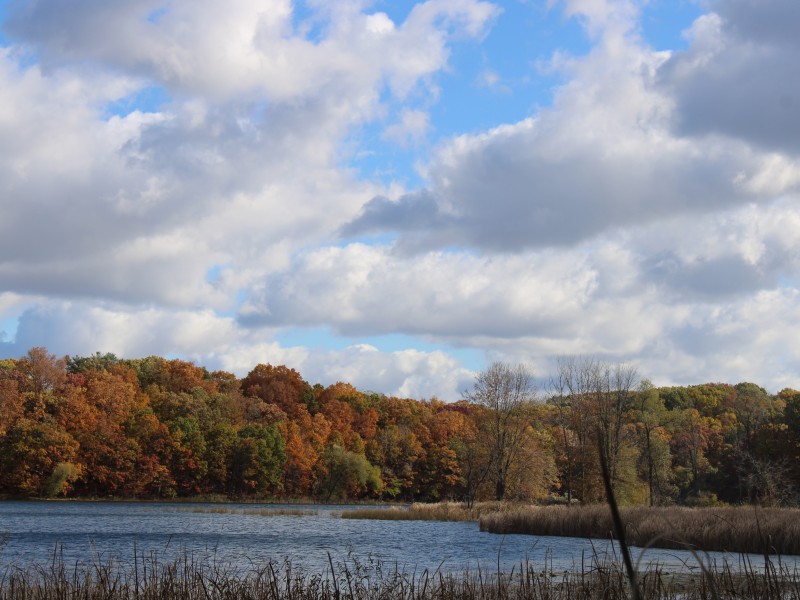
After nearly seven-hour meeting, Kalamazoo City Commission votes to preserve Asylum Lake
Residents spoke for nearly three hours during the public hearing portion of agenda, with nearly every speaker voicing opposition to the rezoning.
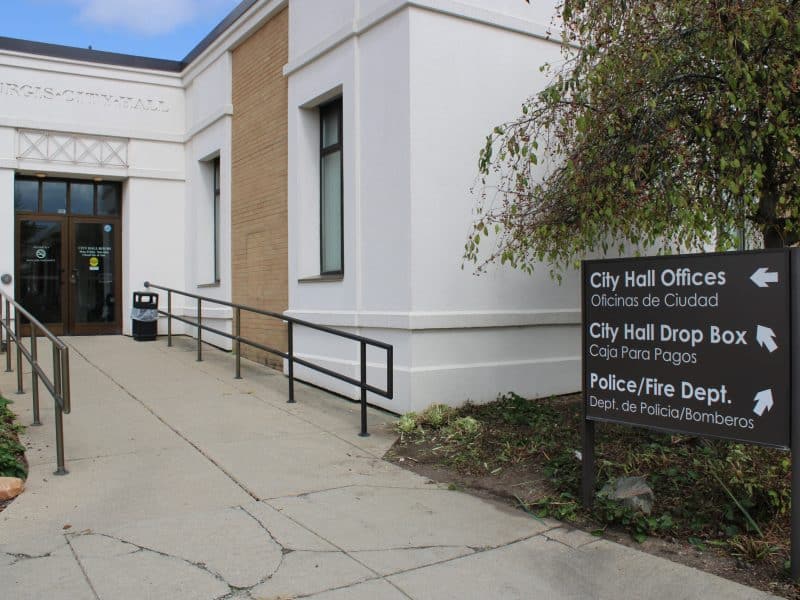
Local meeting primer: Sturgis City Commission
A first reading of proposed updates to the city’s burning ordinance is also on the agenda. The ordinance, which falls under Fire Prevention and Protection in the city code, has not been comprehensively revised since 1969, according to the city manager’s report.

Watershed Voice on publishing pause until January 26
We are officially taking our annual three-week publishing pause to give our staff some much needed rest, and an opportunity to reset before hitting the ground running in 2026. We will return on Monday, January 26.
