
Sturgis commissioner suggests letting voters decide the future of curbside recycling
Two weeks ago, the Sturgis City Commission reached an informal consensus to eliminate funding for the city’s curbside recycling program — the only municipal curbside recycling program in St. Joseph County. In an interview with Watershed Voice, At-Large Commissioner Aaron Miller said he wants to see the program continue, and believes the public should have the chance to weigh in directly.
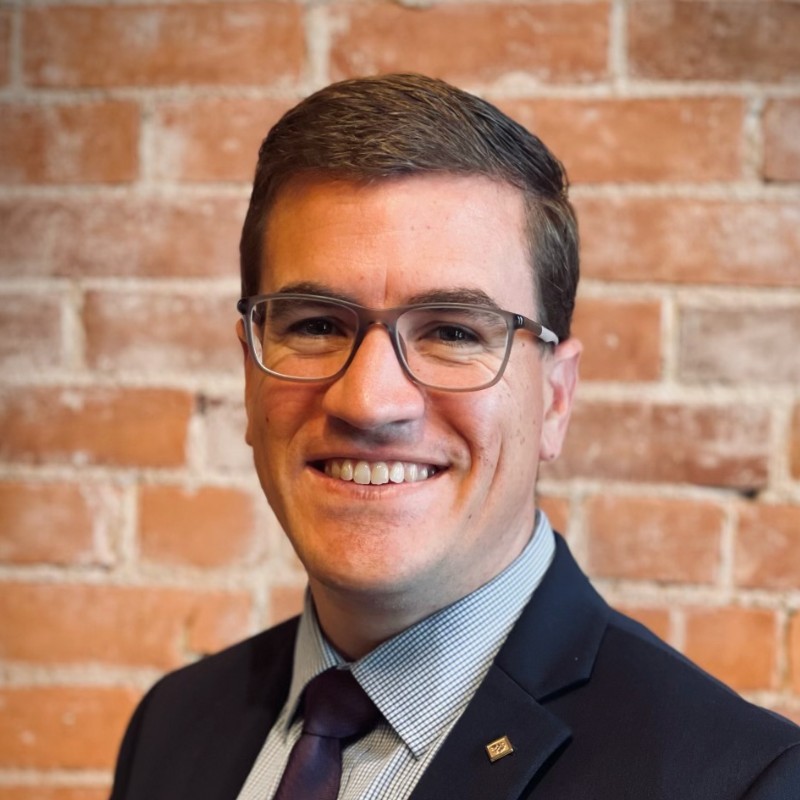
Two weeks ago, the Sturgis City Commission reached an informal consensus to eliminate funding for the city’s curbside recycling program — the only municipal curbside recycling program in St. Joseph County. While the decision was not finalized in a formal vote, all commissioners but one supported the move.
“I’m hearing consensus of the commission to remove the curbside program,” City Manager Andrew Kuk said during the meeting.
The lone opposition came from At-Large Commissioner Aaron Miller. In an interview with Watershed Voice Miller said he wants to see the program continue, and believes the public should have the chance to weigh in directly.
“We should at least ask voters directly,” he said. “Pass a resolution, put it on the ballot, and let them decide. If it’s approved, we keep it. If it’s voted down, that settles it. I’m interested in at least continuing the conversation.”
Why the program is at risk
Sturgis’s curbside program began in 2007 and is funded through a $1.97 monthly fee on residential utility bills. That fee raises about $78,000 annually, which covers total cost of the program. But the program’s current contract with waste management company Borden Waste Away has expired, and the cost of renewing it has jumped. Kuk told commissioners that even if the city raised the monthly fee to the maximum allowed by state law, there would still be a shortfall of more than $150,000.
Miller said the increase is not due to declining participation but to a weekend recycling market that makes it harder for Borden to sell the materials they collect.
“It’s not just straight inflation,” Miller said. “It’s like when the scrap market went to hell — there’s just not as much of a market for recyclables. So the fee to run the program has to be higher to make up for that.”
He said the program is heavily used by residents.
“Our recycling toter fills up. Our trash is actually very limited. From what I’ve seen, it’s a very well-used program. People value it and use it heavily.”
Feedback from residents
Although no members of the public attended the July meeting, Miller said he received four emails from residents urging the commission to reconsider.
“People have rung in saying, ‘Hey, we love this recycling program, please look for ways to continue it. I’ll pay whatever.’ That’s the feedback I’ve received thus far.”
Possible solutions
Miller suggested several ways the city could cover the $150,000 shortfall, including raising the millage rate back to its maximum.
“We lowered it to 11.08 where it sits now as a compromise,” he said. “If we raised it back to our max, I believe we could make up a lot of that $150,000. We’re not at the max millage, and that’d be one option for how we can make it up.”
He also believes the city should explore other service models or funding arrangements before cutting the program entirely.
Engagement gap
Ultimately, Miller feels the decision should be made by the people most affected, but he’s concerned about a lack of civic engagement in Sturgis.
“It saddens me as one who cares… For a city of 11,000 we have next to zero regulars who come to meetings. That makes me sad.”
Miller noted that Sturgis has had some of the lower voter turnout precincts in the state, especially in lower-income areas and among non-English speaking residents. He said the city’s decision to restart livestreams of commission meetings may help.
“Maybe the livestream will help pick up involvement,” he said. “Even if it’s not in person, I think it does good things for transparency. It says, ‘Hey, we’re open. We want you to look at us, listen to our conversations.’”
Budget priorities
In the same meeting where commissioners agreed to remove recycling from the budget, they unanimously approved plans to purchase a new fire engine estimated to cost between $800,000 and $1.25 million. The recycling program’s shortfall is roughly $150,000.
Miller said that figure is small compared to other items in the city’s budget and that priorities are ultimately a matter of perspective.
“There are a lot of $150,000 items you could look at in the budget and say, ‘Well, this could pay for recycling.’ Whether it’s more valuable than something else depends on each commissioner’s perspective — and the voters they answer to. I’d like to see a citywide contracted program for recycling continue, but at the very least, we should be checking into options before we give it a no vote.”
Maxwell Knauer is a staff writer for Watershed Voice.
Author

Related Articles
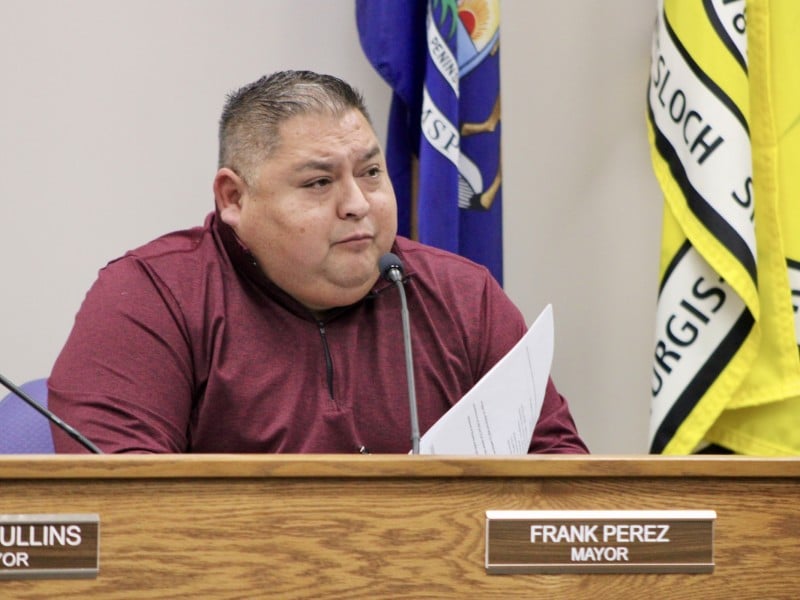
Sturgis approves release of investigation findings
The unanimous decision to release the findings came after a nearly two and a half hour closed session during which commissioners discussed the findings of the investigation, and what would be released to the public.
The decision to open an investigation came after weeks of Vice Mayor Jeff Mullins and City Commissioner Aaron Miller calling for Mayor Frank Perez to step down before attempting to remove and censure him. Mullins and Miller alleged that Perez and other commissioners contributed to an environment that led to former City Manager Andrew Kuk’s resignation.
This is a developing story and Watershed Voice will provide updates as they become available. Staff Writer Maxwell Knauer is working on securing the investigation findings and will provide coverage once he has done so.
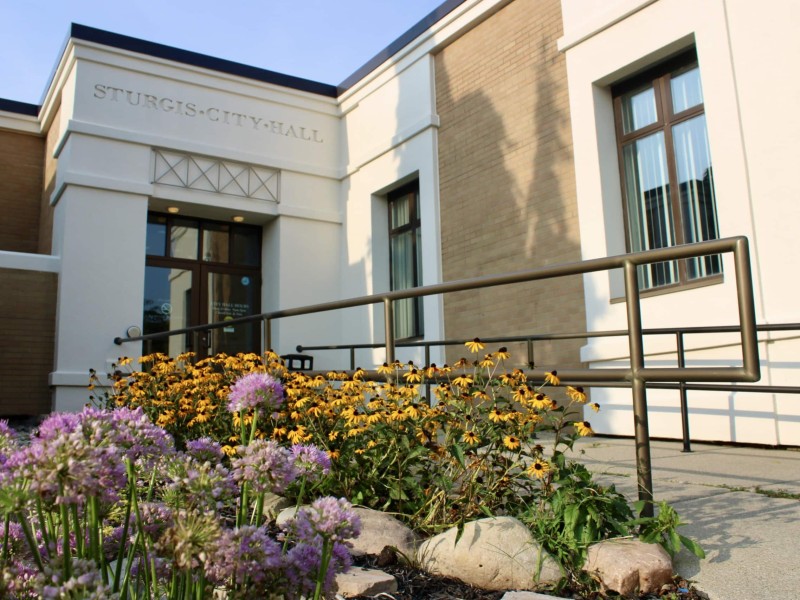
Local meeting primer: Sturgis City Commission
The Sturgis City Commission will meet Wednesday, September 23, at 6 p.m. at City Hall for a regular business meeting. Commissioners will consider a $616,000 water clarifier replacement and contingency budget, more than $512,000 in street resurfacing work, a $116,800 change order for the electric building project, and a proposed increase in the contracted hourly rate for a Forestry Field Manager.

Sturgis Area Community Foundation announces new executive director
The Sturgis Area Community Foundation (SACF) Board of Trustees has appointed Ashley Magnus as its next Executive Director. An accomplished nonprofit executive with extensive experience in philanthropy, fundraising, strategic planning, and community engagement, Magnus brings a proven track record of organizational growth and community impact to the Foundation.
