
Michigan misses budget deadline, passes short-term funding to avoid shutdown
Lawmakers already missed the July 1 deadline when the legislature is required to pass school aid funding, typically alongside a full budget.
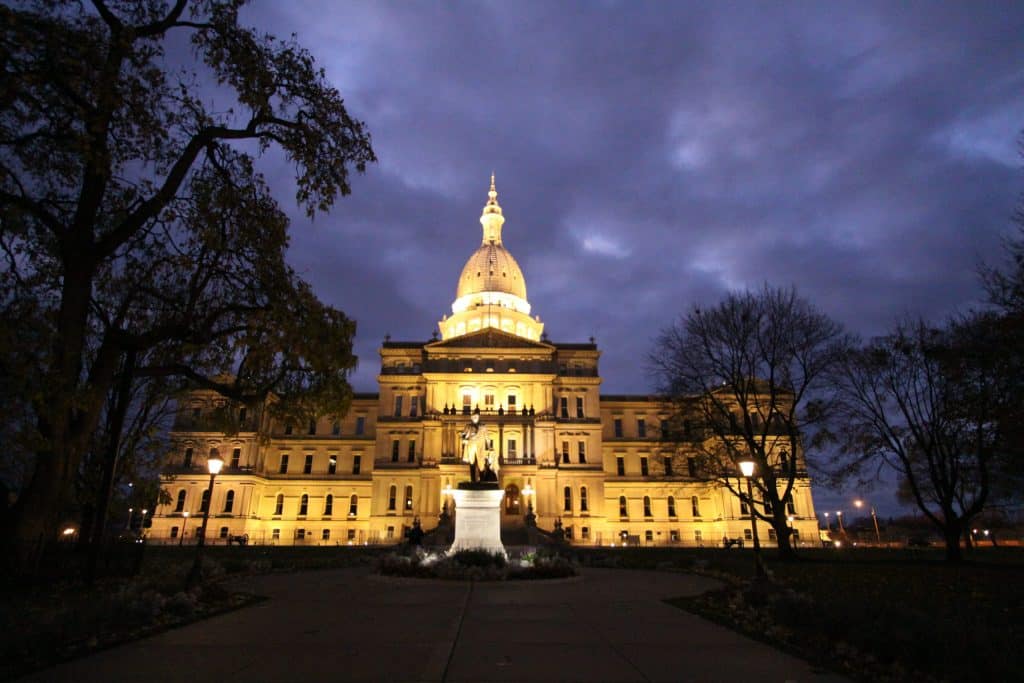
As Michigan lawmakers failed to agree on a budget before their October 1 deadline, a statewide government shutdown was triggered. In the immediate aftermath, lawmakers passed an eight-day continuation budget that keeps government services running while the final budget is being completed.
Lawmakers expect to pass a finalized budget within the eight-day “stop-gap” they agreed on, a maneuver that has raised questions about which services are protected and which will be stalled.
“The continuation budget keeps state government open as the budget is finalized and passed by the legislature, ensuring Michiganders have uninterrupted access to government services, and state employees continue to get paid. Specifically, the continuation budget allows the state to continue spending in the interim before the governor signs the full fiscal year budget into law. After the final pages of the full budget are typed, the legislature will vote. Then, legislative clerks will prepare it for transmittal to the governor for her final review and signature,” Governor Gretchen Whitmer said in a press release Wednesday morning.
Lawmakers already missed the July 1 deadline when the legislature is required to pass school aid funding, typically alongside a full budget.
Late last week House Speaker Matt Hall (R), Senate Majority Leader Winnie Brinks (D), and Gov. Gretchen Whitmer announced a framework agreement for the Fiscal Year 2025-26 budget announcing key priorities had been settled. However, the budget bills themselves had not yet been drafted in full or submitted for formal votes. The announcement had many hopeful a budget would be passed before today’s shutdown.
As legislators continue to meet and operate under a “shot-clock” session posture, leadership has signaled their intention to push through final negotiations and votes in coming days. Michigan Advance reported a full budget is expected later this week (e.g. Thursday) under the cushion provided by the stopgap – which would fund the government over the next week at $1.56 billion with $272.3 million from the general fund.
“The Michigan state government will stay open,” said Governor Whitmer. “We’re on the verge of making huge progress to fix our state and local roads, feed our kids at school, cut taxes for seniors and working families, protect access to affordable health care, and keep Michiganders safe in their communities. In the meantime, state government will continue providing uninterrupted services and state employees will work today, getting things done for their fellow Michiganders.”
Local impact
In Southwest Michigan, the stopgap budget means schools, local governments, and service providers are operating on last year’s funding level. Districts across St. Joseph, Cass, and Kalamazoo counties won’t see the per-pupid increases or expanded school meal programs promised in the framework until a full budget is signed. For now, administrators are holding off on hiring decisions and new initiatives, waiting for certainty from Lansing.
Cities like Three Rivers and Sturgis are also in a holding pattern. Because revenue sharing payments from the state remain flat under the continuation budget, municipalities planning infrastructure repairs or public safety upgrades have to make do with what they received in the last fiscal year. The same holds true for road commissions, where increased funding for road work has been discussed but cannot be put to use until appropriations are finalized. That leaves local projects at risk of delay as the fall construction season winds down.
Public safety agencies and social service providers are feeling similar pressures. Police posts, sheriff’s offices, and child welfare programs continue to operate, but without the budgeted increases some lawmakers had promised. In counties like St. Joseph and Cass, where human services caseloads are already high, the uncertainty makes planning difficult. Nonprofits and community organizations across the region face the same problem: state grants tied to housing, food assistance, and health programs remain stuck at last year’s levels, limiting their ability to expand services at a time of growing need.
Watershed Voice will provide updates when available.
Maxwell Knauer is a staff writer for Watershed Voice.
Author

Related Articles
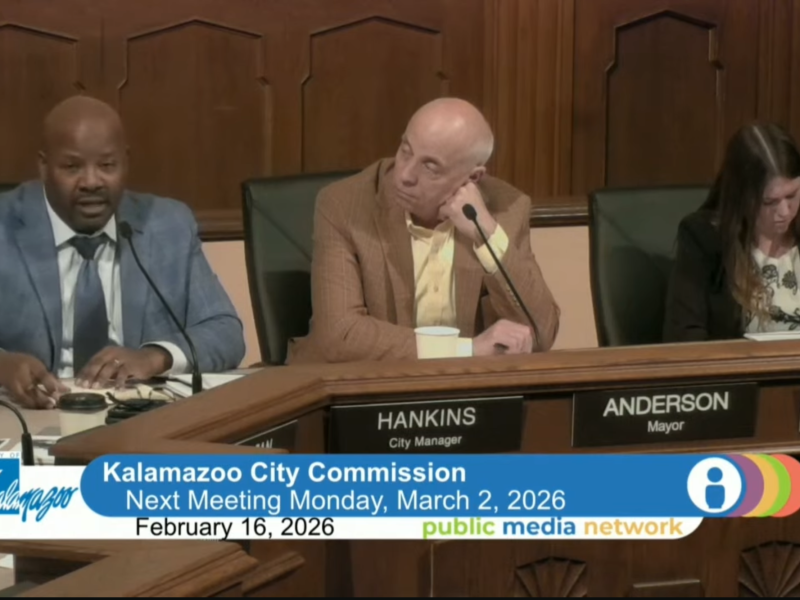
Kalamazoo City Commission tables Safe Routes to School contract amid public pushback
Commissioners voted unanimously to table the item and revisit it at a future meeting. City staff said they plan to prepare additional information, including visuals, and hold a meeting to gather resident feedback before returning to the commission.
“If we postpone it to one more meeting, it’s not going to have a delay on receiving the funds,” Commissioner Jae Slaby said. “It will not jeopardize these funds. It will not jeopardize the contract. So why not just have the due diligence done and send the message to the community that we are hearing their concerns?”
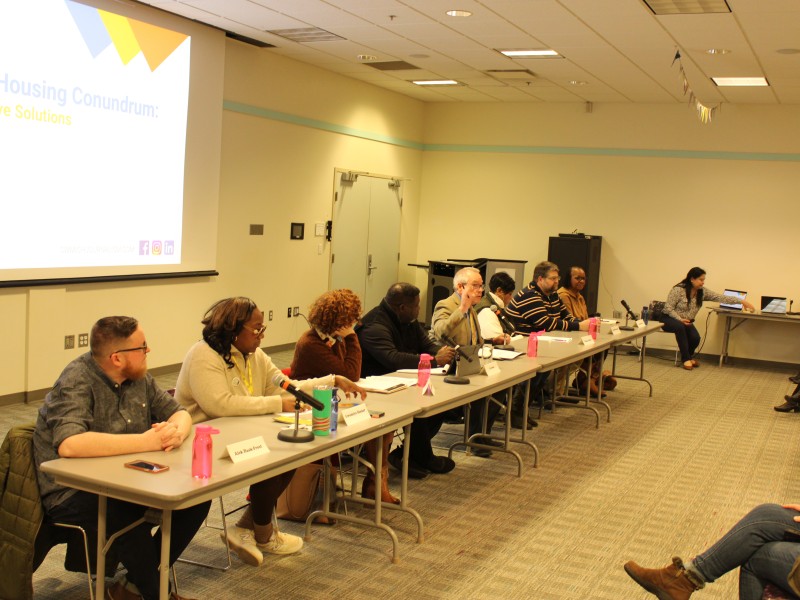
Journalists and advocates gather in Kalamazoo to discuss affordable housing
Panelists included journalists who regularly cover housing and community issues — Watershed Voice editor-in-chief and founder Alek Haak-Frost, Brad Devereaux of MLive, Jordyn Hermani of Bridge Michigan, and freelance journalist Al Jones, project editor for On the Ground Kalamazoo — as well as housing advocates Gwendolyn Hooker of Kalamazoo-based Hope Through Navigation, Shanay Settles of the Calhoun County Health Department, and Patsy Moore of Mount Zion Baptist Church and Legacy Senior Living.
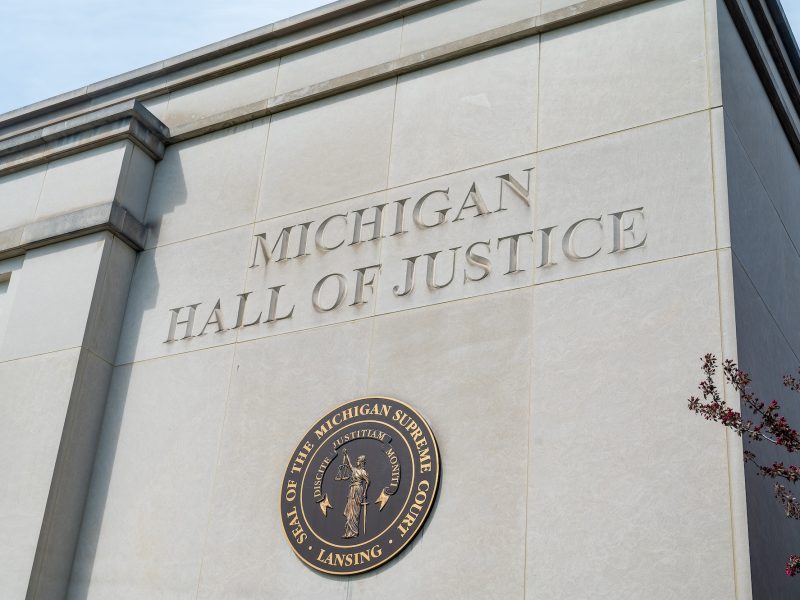
Michigan mental health service shift blocked by Court of Claims
The dispute began last fall, when the Michigan Department of Health and Human Services (MDHHS) issued a request that would have consolidated Michigan’s 10 Prepaid Inpatient Health Plans (PIHPs) regions—funded primarily through Medicaid behavioral health dollars—into three “super-regions.” Regional PIHPs later learned that they, as the current providers, were excluded from bidding because they are statutorily restricted to operating within their designated regions. The PIHPs filed a lawsuit, arguing the RFP violated Michigan law and threatened locally administered mental health care that has existed since the 1990s.
