
Candidate Questionnaire: Drew Duncan
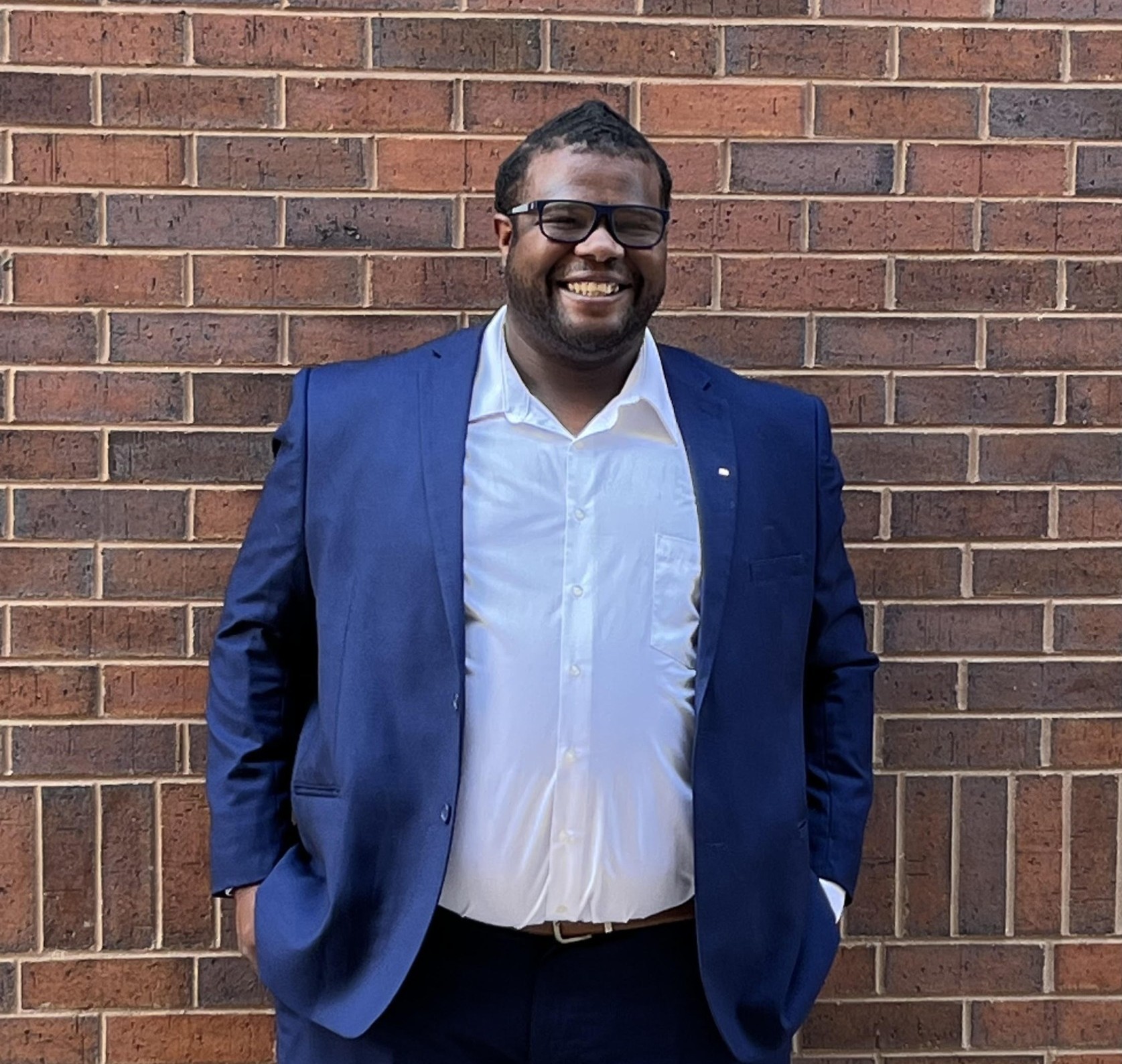
Drew Duncan, Kalamazoo City Commission candidate filled out our questionnaire, here are his answers.
The following is Watershed Voice‘s candidate questionnaire for the November 2025 local elections. We will be running all candidate questionnaires in the order received today, tomorrow, and Thursday — our regular publishing schedule.
Drew Duncan, Kalamazoo City Commission candidate filled out our questionnaire, below are his answers as submitted.
Name: Drew Duncan
Age: 36
Are you an incumbent? No
Family (optional): Declined to answer this optional question.
Background/Bio:
Business Solutions Coordinator at the W.E. Upjohn Institute/Michigan Works! Southwest. I help employers recruit, train, and retain talent, and I connect residents to quality jobs and upskilling. I serve on local boards (People’s Food Co-op; Can-Do Kalamazoo—co-chair) and lead candidate training for the Kalamazoo County Democratic Party. I’ve spent my career at the intersection of workforce development, small-business growth, and community partnerships.
Why are you running for the office of Kalamazoo City Commissioner?
To make Kalamazoo a city where working families can afford to live, feel safe, and see real opportunity. I want city hall to move faster on housing, public safety, and neighborhood investment, and to partner better with employers, nonprofits, and residents.
Have you previously held public office, or have you served in a public leadership role? If so, what is your experience, and what are some of your accomplishments?
I have not held elected office. Public leadership includes: Chair, Candidates & Campaigns Committee (Kalamazoo County Democratic Party); board member, People’s Food Co-op; co-chair, Can-Do Kalamazoo board. I’ve led employer collaboratives, launched training and apprenticeship pathways, and organized community listening sessions to align services with neighborhood needs.
If not, describe any experience — professional, volunteer, or otherwise — that you believe is relevant to serving as Kalamazoo City Commissioner.
My experience spans workforce and economic development, small-business growth, community safety, and governance. I’ve designed on-the-job and incumbent worker training programs, supported employer retention and expansion, and used local labor market data to drive decision-making. I connect entrepreneurs to capital, coaching, and procurement opportunities to strengthen small-business ecosystems. I’ve also worked alongside partners to advance a low-barrier shelter, violence prevention, and reentry initiatives that improve community safety and stability. On the governance side, I bring experience in board policy, executive oversight, budgeting, and performance tracking.
How long have you lived in the area you are seeking to represent?
3 years
In your opinion, what are the three most important issues to the area relative to the scope of the position you are seeking, and why? Answer here
Housing affordability and stability. Rents outpace wages and too many neighbors face eviction or homelessness.
Public safety with prevention. Residents want safe streets and accountability, plus upstream investments that reduce violence and support survivors.
Broad-based economic opportunity. Employers need talent; residents need skills, child care, and transit to access good jobs.
What measures will you pursue to address those issues?
I’ll work to streamline approvals for missing-middle and infill housing to make it easier to build affordable homes in existing neighborhoods. Advocate for the creation of a housing trust. I’ll support survivors by securing stable funding for domestic violence services and trauma-informed responses. I’ll leverage city purchasing power to prioritize local, small, and diverse businesses. And I’ll pilot employer-backed transit solutions to help second- and third-shift workers get to and from work safely and reliably.
How would you ensure better protection and service for the most vulnerable and underserved populations in Kalamazoo?
As someone who’s lived through hardship, I understand what it’s like to need support systems that actually work. I’ll push the city to strengthen its partnerships with nonprofits and service providers so help reaches people where they are. That means expanding housing stability programs, funding wraparound services like mental health and reentry support, and ensuring access for those often left out—foster youth, survivors, and families living paycheck to paycheck. My goal is to make Kalamazoo a city where no one falls through the cracks.
How would you promote transparency and maintain public trust in city government?
I’ll push for a transparent city government that earns public trust through clarity and accountability. That means publishing a clear, easy-to-read budget and an online performance dashboard tied to measurable goals and timelines. I’ll hold quarterly neighborhood-based town halls with written follow-up on community concerns. I’ll also ensure meeting calendars, lobbyist and meeting logs, conflict disclosures, and contract awards are publicly available through an open-data portal.
What values or guiding principles shape your approach to public service?
Equity, accountability, pragmatism, and partnership. Listen first. Set measurable goals. Spend public dollars where they deliver the greatest community benefit.
Is there anything else your prospective constituents should know about you, your platform, your views, or your background?
I’m a first-generation high school and college graduate, a cancer survivor, and a former foster child. I know what it means to face barriers and fight through them. Those experiences shaped my belief that government should open doors, not close them. I’m also a proud great-uncle, and I want Kalamazoo to be a city where every child, no matter their start, has a real chance to thrive.
Related Articles
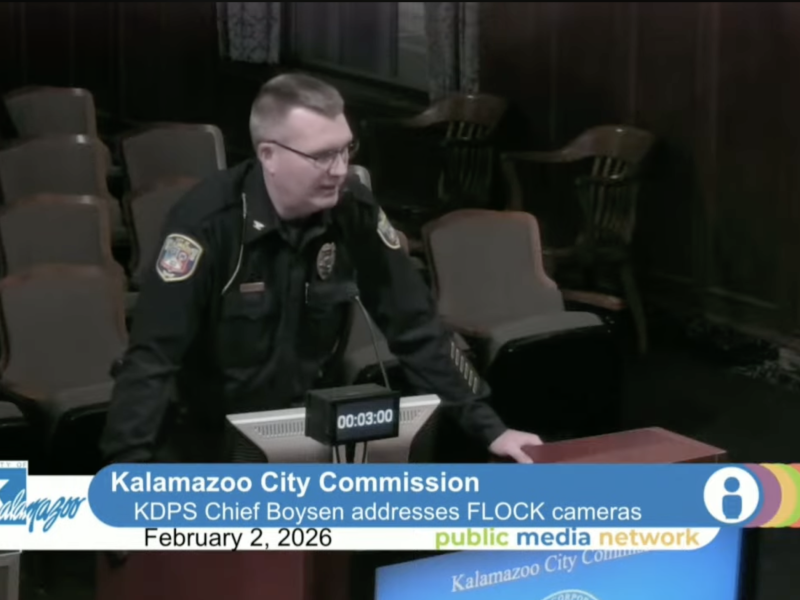
KDPS chief says Flock cameras not used for immigration enforcement as residents raise concerns
Multiple speakers, including members of the advocacy group We the People, urged commissioners to remove the cameras and asked city leaders to state they would not assist federal immigration officers if they came to Kalamazoo.
In response, Kalamazoo Department of Public Safety Chief David Boysen described how the department uses Flock cameras and outlined what he said are prohibited uses of the technology.
Michigan mental health service shift blocked by Court of Claims
The dispute began last fall, when the Michigan Department of Health and Human Services (MDHHS) issued a request that would have consolidated Michigan’s 10 Prepaid Inpatient Health Plans (PIHPs) regions—funded primarily through Medicaid behavioral health dollars—into three “super-regions.” Regional PIHPs later learned that they, as the current providers, were excluded from bidding because they are statutorily restricted to operating within their designated regions. The PIHPs filed a lawsuit, arguing the RFP violated Michigan law and threatened locally administered mental health care that has existed since the 1990s.

Affordable housing panel to feature Watershed Voice editor-in-chief
For Haak-Frost and Watershed Voice, affordable housing has long been more than a policy topic—it is a core part of the newsroom’s mission-based community journalism. Haak-Frost has written and overseen coverage that explores affordable housing both as a concept and as a lived experience, asking what it truly means, who it serves, and where it falls short.
