
Charles Thomas: Maybe it’s not too late
Watershed Voice columnist Charles Thomas writes, “Most of us have at least a few dreams that have been deferred. For you, it might not be a degree you dream of but starting a business or having another romantic relationship. You could have a dream about becoming a non-smoker or to find more meaningful work. Whatever your dream is, you may be thinking that it’s too late to achieve it. But consider this: what if you’re wrong?”

Unlike many psychologists, the great psychoanalyst Carl Jung did not think that human development ended once a person reached adulthood. Instead, Jung believed that humans could grow and develop even after their bodies had matured completely. He called the portion of life after young adulthood the “afternoon of life.”
Jung thought this second act of life began when a person reached their mid-thirties. He saw the afternoon of life as a time for people to integrate experiences and to develop parts of themselves that may have been neglected in the morning of their lives. It’s a time to focus on the neglected aspects of the self and to bring those parts into balance with parts already developed.
As an example of this, Jung wrote of accountants who in the second half of their lives, develop a passion for art or painting. The reverse of this is also often true, arty bohemian types who in the second half of their lives pivot to focus their attention on the more practical matters of life like investing for retirement or building a family.
Last fall, I decided to develop a long-neglected part of myself when I started working on a doctoral degree in behavioral health. I’ve been a therapist for almost 30 years and pursuing a doctorate has been something that I’ve wanted to do since I was in my early twenties. After I earned my master’s degree at the age of 24, my dream had been to continue for a Ph.D., but student loan debt, insecurities, and a desire to start my life led me to defer that dream for later.
The American poet Langston Hughes in his poem “Harlem” wrote about what happens to dreams that get deferred. Hughes wrote that dreams deferred can “dry up like a raisin in the sun”, “fester like a sore” or “stink like rotten meat.” Ominously, he said that they can also “explode.” My dream deferred dried up like a raisin in the sun. I got married, started a family, and settled into work. My dream of doctorial education just dried up.
But then came the afternoon of my life.
With my daughter away at college and having developed a certain level of financial security, this dried up dream regained some of its previous sweetness. I looked at programs that I could do part-time and online, and then applied to and was accepted into the Doctor of Behavioral Health program at the Cummings Graduate Institute. Already in my fifties, I was worried about how I’d fit in with my classmates and how I’d manage writing research papers again.
Much to my delight, I found that my cohort was filled with other people in the afternoons of their lives who had also decided to defer their dreams no longer. I had my struggles with learning APA style, but the program so far has helped me develop in ways that I never could have without it.
While I long to celebrate on the day I graduate, I’ve come to believe that I’ve already received a great gift from this process. That gift was granted on the day that I decided to no longer defer my dream but instead to pursue it.
Most of us have at least a few dreams that have been deferred. For you, it might not be a degree you dream of but starting a business or having another romantic relationship. You could have a dream about becoming a non-smoker or to find more meaningful work. Whatever your dream is, you may be thinking that it’s too late to achieve it. But consider this: what if you’re wrong?
Now, it may be true that only part of your dream is achievable at this point in the afternoon of your life. Some ships have sailed away, never to return. Is it worth it to pursue something that is only an approximation of your dream? Victor Yalom, a renowned psychiatrist, thought the greatest source of emotional pain and suffering was the knowledge of the inevitability of bodily death. While the death of a dream does not carry the emotional weight of bodily death, it still has the power to cause deep distress.
Why let even the sliver of a dream die when you still have strength to follow it?
I think Langston Hughes was right when he said that some dreams deferred explode. Defer them long enough and they have the potential to blow your life up, puncturing you and those closest to you with the shrapnel of regret and resentment. The new year is here. It’s an auspicious time to start something new. Maybe it’s time.
Maybe it’s not too late.
Charles D. Thomas is a writer and psychotherapist who made Three Rivers his home for over a decade. Feedback is welcome at Charles@charlesdthomas.com.
Any views or opinions expressed in “Big World, Small Town” are those of the author and do not necessarily reflect the views or opinions of the Watershed Voice staff or its board of directors.
Related Articles
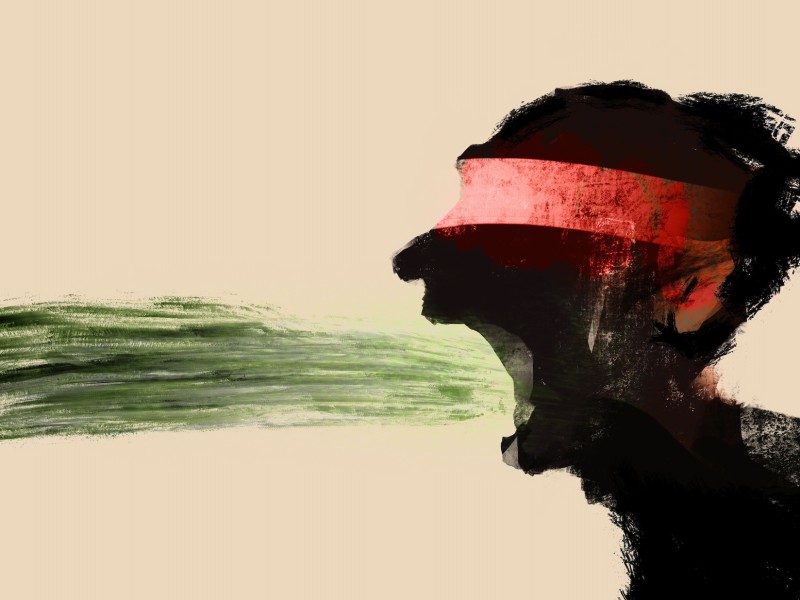
Sayrie: Sounding the alarm
Watershed Voice’s Aundrea Sayrie writes, “Black History Month is celebratory of Black achievement and existence, yes, but it is equally meant to continually sound the alarm on discrimination, and a means of advocating for justice. Applied pressure on the neck of oppression and erasure, a vehicle to ensure the truth isn’t lost in the footnotes of history.”
You can listen to Aundrea perform this piece via the SoundCloud player at the top of the article.

Letter to the Editor: Not Left, Not Right. Together.
Layne Deuel of Lockport Township writes, “I humbly ask that all of us stand up to ICE and demand immediate, tangible change to this armed force. By speaking out, it does not make you less conservative or more liberal, it makes you truly American. The rebellious spirit to stand up to the wolf at the door is something that has been instilled in all of us. We cannot let that fire burn out now. We must stand together and push for change immediately. As Americans, we cannot fail the spirit of Americans before us or those who come after us.”

Doug Sears, Jr.: Shining a Light on Audience Behavior
Watershed Voice’s Doug Sears, Jr. writes about a recent experience at the movie theater that induced anger, reflection, and ultimately empathy.
“My rage was palpable, as movie theater misbehavior is high on my list of modern pet peeves. But I’m trying really hard to stay in the ‘live and let live’ mentality, and I don’t want to compound her distraction by calling it out. I’d hate to initiate a prolonged argument with a stubbornly rude individual and draw everyone in the theater, even those who don’t notice the Beacon of Gondor from their seat, into my distraction.”
