
During Sunshine Week, Tlaib pushes bill to strengthen press and whistleblower protections
The legislation is named after Daniel Ellsberg, the Pentagon Papers whistleblower who revealed classified information about the Vietnam War and was charged under the Espionage Act. The charges were later dismissed.
At its core, the bill would narrow who can be prosecuted under the Espionage Act and raise the legal threshold required for conviction.
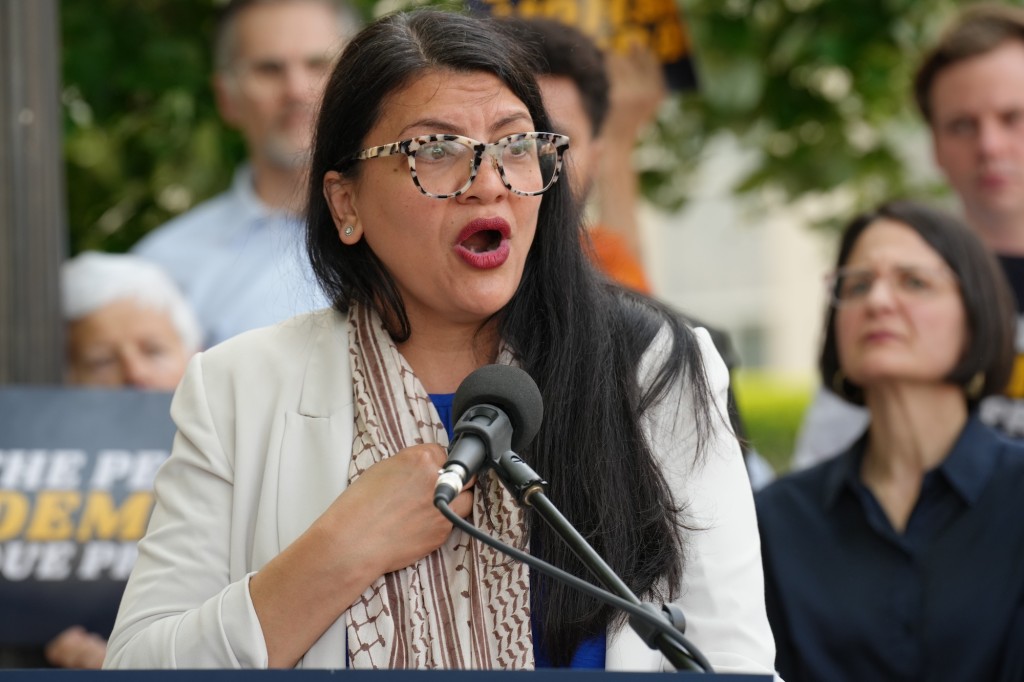
As part of Sunshine Week, a national initiative focused on government transparency, U.S. Rep. Rashida Tlaib, D-Detroit, has introduced legislation aimed at strengthening protections for whistleblowers and journalists.
The proposed “Daniel Ellsberg Press Freedom and Whistleblower Protection Act” would reform the century-old Espionage Act, a law originally passed in 1917 that has increasingly been used to prosecute individuals who share classified information with the public.
Tlaib and supporting organizations argue the law has been applied too broadly, at times targeting whistleblowers and sources who expose government wrongdoing, rather than individuals acting on behalf of foreign adversaries.
“Alerting the public to government wrongdoing is not a crime,” Tlaib said in a statement announcing the bill.
The legislation is named after Daniel Ellsberg, the Pentagon Papers whistleblower who revealed classified information about the Vietnam War and was charged under the Espionage Act. The charges were later dismissed.
At its core, the bill would narrow who can be prosecuted under the Espionage Act and raise the legal threshold required for conviction.
Under the proposal, the law would primarily apply to government employees or contractors who have authorized access to classified information and have signed nondisclosure agreements. It would also explicitly apply to foreign agents, but not to journalists, publishers, or members of the general public.
The bill would also require prosecutors to prove that a defendant acted with “specific intent” to harm the United States or benefit a foreign power — a higher standard than current law, which can allow prosecutions based on a broader interpretation of intent.
In addition, the legislation would create a “public interest” defense, allowing defendants to argue in court that they disclosed information to expose illegal activity, abuse of power, or threats to public safety.
Supporters, including groups like the American Civil Liberties Union and the Freedom of the Press Foundation, say those changes would bring the law more in line with First Amendment protections and reduce what they describe as a chilling effect on investigative reporting.
In recent years, high-profile Espionage Act cases involving figures such as Chelsea Manning, Edward Snowden and Julian Assange have fueled debate over how the law should be applied and whether it adequately distinguishes between whistleblowing and espionage.
Critics of reform efforts have historically argued that loosening restrictions could risk the unauthorized disclosure of sensitive national security information, though those concerns were not addressed in Tlaib’s announcement.
The bill has been referred to committee and would need to pass both chambers of Congress before becoming law.
Related Articles
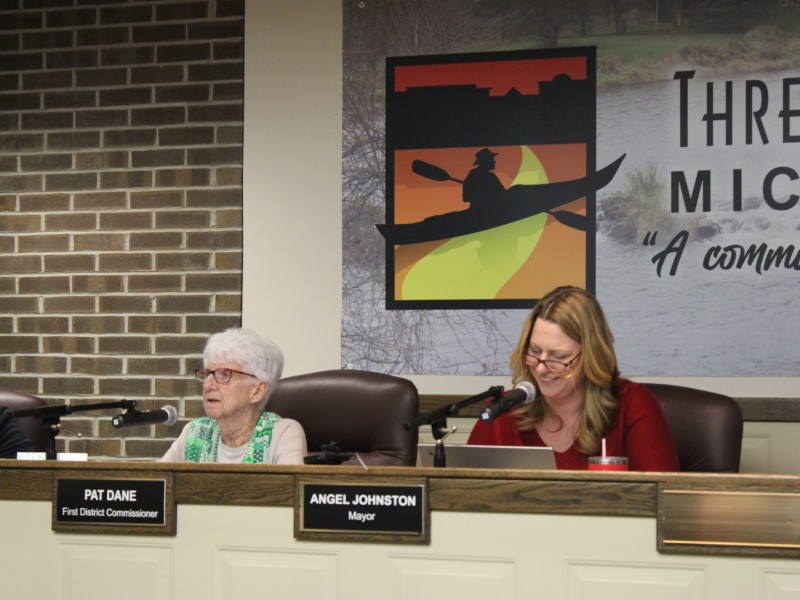
Chaotic Three Rivers meeting includes emergency briefing, closed-door discussion of city manager
The meeting, which lasted more than three hours Tuesday, included several tense exchanges among commissioners, a closed-door discussion about City Manager Joe Bippus, and an emergency management briefing featuring city officials, first responders, and representatives from the American Red Cross and Samaritan’s Purse.
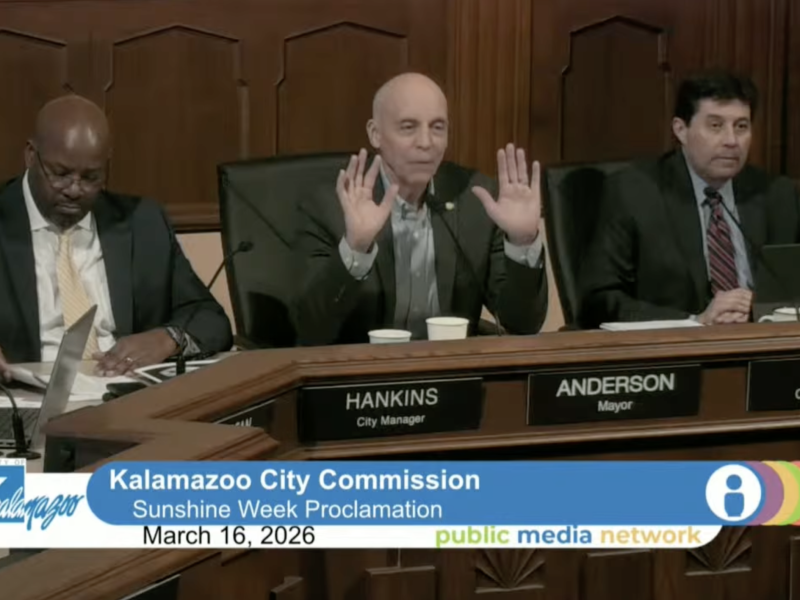
Community input reshapes path for Winchell-Howard school safety plan
Kalamazoo City Commissioner Chris Praedel said the process reflected strong community engagement.
“It’s refreshing to see these outcomes when it happens this way. It does not always turn out this way, and I am grateful that it has — but it only happens this way when everybody is willing to lean in and try something a little bit different,” Praedel said.
The project combines improvements along two corridors — Winchell Avenue and Howard Street — under a single MDOT contract, meaning the elements cannot easily be separated for approval.
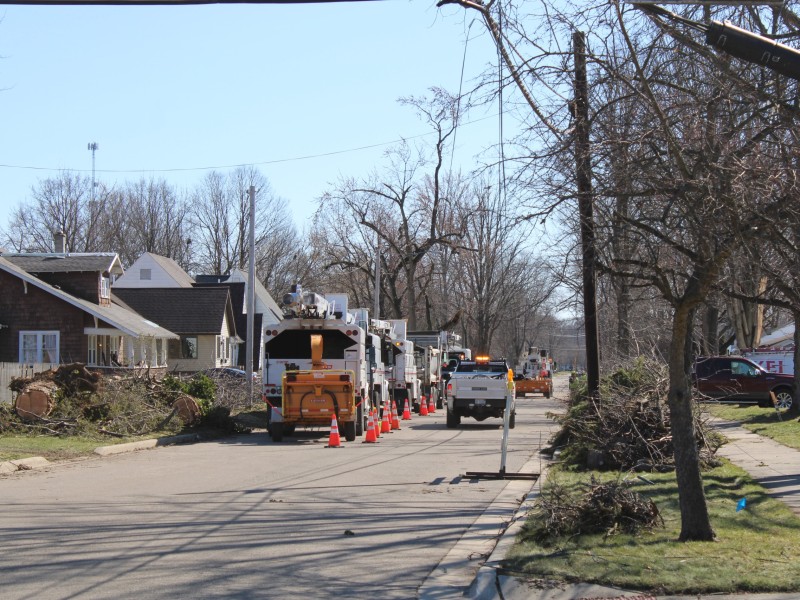
Additional damage assessments scheduled in Cass County following tornado
Three assessment teams will be deployed and will move between affected jurisdictions throughout the day Tuesday and Wednesday. Residents in impacted areas may see officials visiting neighborhoods to visually assess damage from public rights-of-way or, in some cases, briefly approaching properties to document storm impacts.
