
Portage moves toward data center pause as concerns grow nationwide
The Portage City Council on March 24 unanimously voted to move forward with an ordinance that would establish a temporary moratorium on data centers and battery energy storage systems (BESS).
The action does not immediately enact the moratorium. Instead, it directs city staff to prepare an amendment to the city code for future council consideration.
According to the meeting agenda, the proposed change would amend Chapter 42 of the city code to establish a temporary moratorium on the developments.
If adopted at a future meeting, the moratorium would pause new development related to data centers and battery storage systems while the city considers how to regulate them.
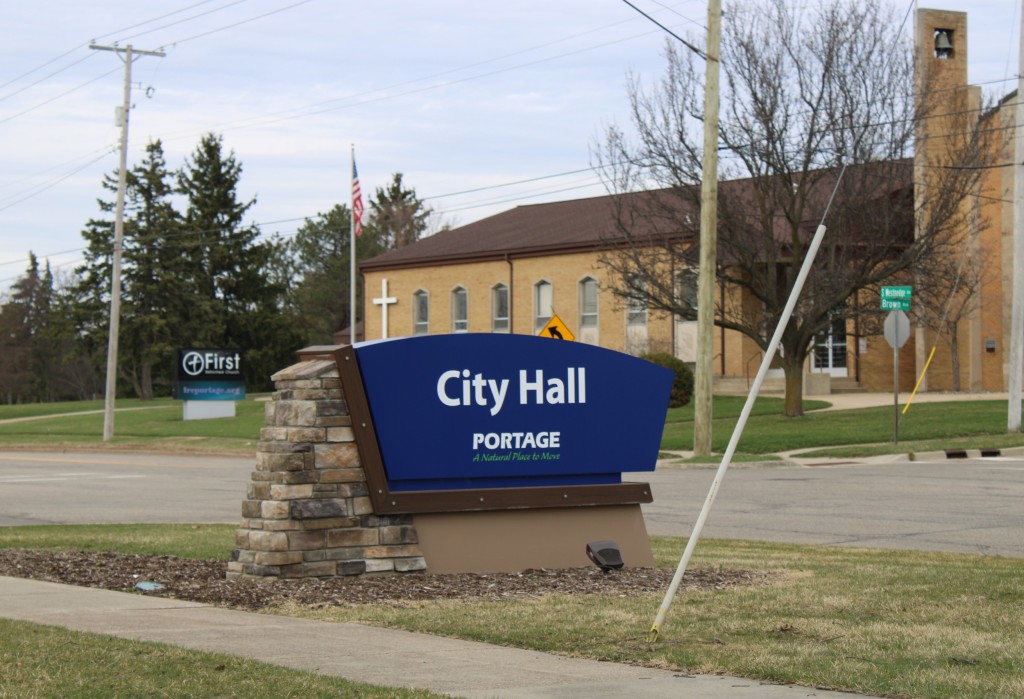
The Portage City Council on March 24 unanimously voted to move forward with an ordinance that would establish a temporary moratorium on data centers and battery energy storage systems (BESS).
The action does not immediately enact the moratorium. Instead, it directs city staff to prepare an amendment to the city code for future council consideration.
According to the meeting agenda, the proposed change would amend Chapter 42 of the city code to establish a temporary moratorium on the developments.
If adopted at a future meeting, the moratorium would pause new development related to data centers and battery storage systems while the city considers how to regulate them.
City officials did not specify the length of the proposed moratorium during the March 24 meeting.
The move comes as local governments across Michigan and the country grapple with how to regulate data centers, which require significant infrastructure, including land, electricity and water.
Data centers are facilities that house servers and other computing equipment used to store and process digital information. Demand for such facilities has grown rapidly in recent years alongside cloud computing and artificial intelligence technologies.
That growth has brought increased scrutiny. In some communities across the U.S., residents and local officials have raised concerns about the large amounts of electricity required to operate data centers, potential strain on local power grids, water use for cooling systems, and noise from cooling equipment and backup generators.
At the same time, developers and some policymakers point to potential economic benefits, including tax revenue, infrastructure investment and job creation.
At the federal level, U.S. Senator Bernie Sanders and Representative Alexandria Ocasio-Cortez announced plans on March 25 for their own moratorium to introduce legislation aimed at pausing certain artificial intelligence and data center development while federal standards are considered.
While moratoriums on data centers have been discussed in other parts of the country, they remain relatively uncommon at the municipal level in southwest Michigan.
Similar concerns have surfaced locally. In Pavilion Township, officials last year delayed consideration of a proposed data center project after residents raised concerns during public meetings.
A real estate firm, Franklin Partners, had requested a zoning change to allow what it described as “data warehousing facilities.”
The Portage action represents an early step toward potential local regulation, with additional council action required before any moratorium takes effect.
Maxwell Knauer is a staff writer for Watershed Voice.
Author

Related Articles
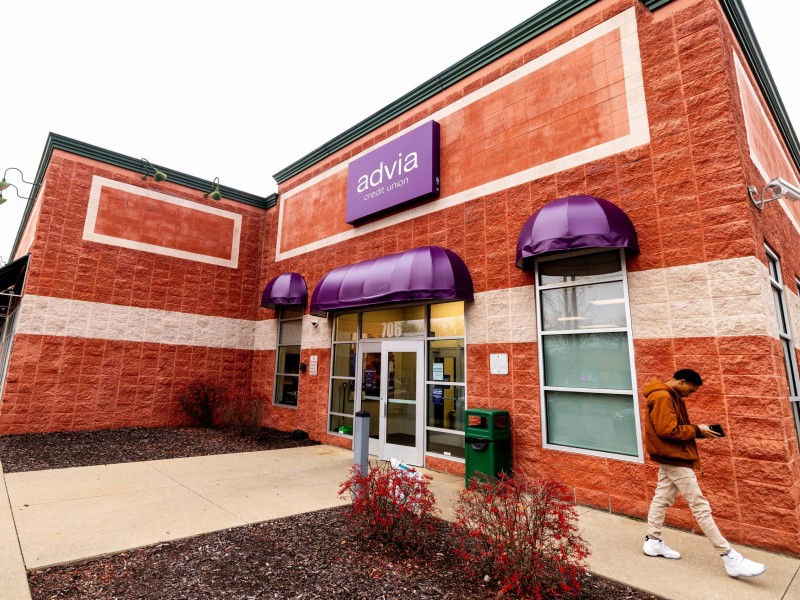
Racist policies shaped a neighborhood. Its lone banking institution helps people overcome
The Northside is one of Kalamazoo’s poorest neighborhoods. It’s also 83% Black.
But the neighborhood of 4,500 residents has just one banking institution: Advia Credit Union at 706 N. Westnedge Ave.
It’s carrying the load to help Northside residents build financial security.
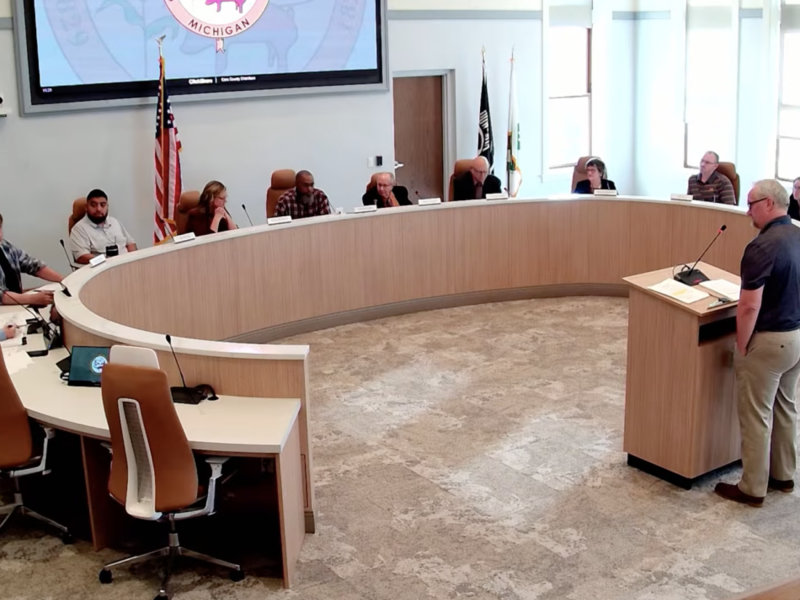
Cass County rejects funding requests, likely nixing Lawless Park improvement project
Commissioner Samuel Barrera, who also serves on the Parks Board, expressed frustration following the vote.
“I just want the members of this board to understand what just happened,” he said. “We have $110K invested into this project — now what are we going to do? We’ve successfully killed this project, so that money is on our hands. I don’t know how we’re going to recover those funds. … I’m really not proud of us right now.”

Glen Oaks names more than 335 students to fall 2025 honors lists
Watershed Voice would like to congratulate all students who have made the honor roll on their success and we wish you luck in your continued pursuit of excellence — academic or otherwise.
Students named to the President’s List earned a 4.0 grade point average. Students named to the Dean’s List earned a GPA between 3.75 and 3.99. Students are listed alphabetically by hometown.
