
Dowagiac residents hear update on class-action lawsuit against Hyperscale Data Inc.
As of now, the case has been filed as a class-action lawsuit against Hyperscale Data Inc. in the Kalamazoo U.S. District Court. The case alleges that because of the constant noise being emitted from the Hyperscale Data Inc. data center, property values for residents living within a mile of the facility are declining.
Attorneys Laura Sheets and Steven Liddle acknowledged there are other impacts associated with the data center — such as environmental concerns and a lack of transparency — however, the case in its current state is only alleging property damage and seeking compensation for those claims.
The defendant — Hyperscale Data Inc. — has reviewed those claims and asked for an extension to give an answer, which was granted and is due July 24.
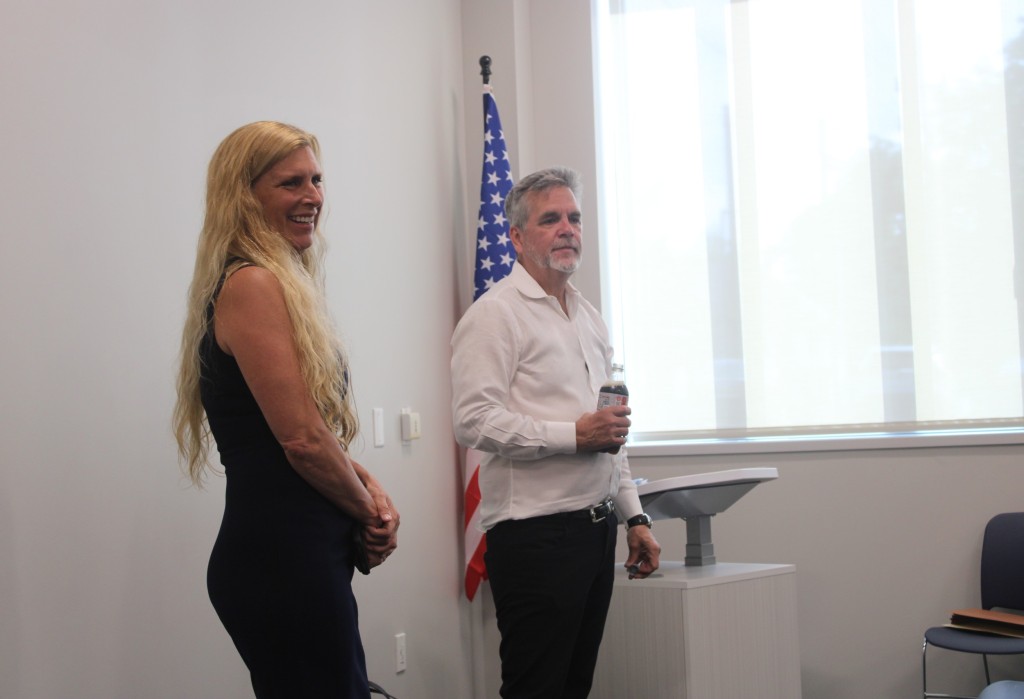
On Tuesday evening at a packed Dowagiac Public Library, firm partners Laura Sheets and Steven Liddle of the Detroit-based law firm Liddle Sheets P.C. gave residents an update on the status of their class-action case. The event then continued into a Q&A, with Sheets answering questions from more than 55 residents who filled the community room to capacity, while Liddle spoke with around 15 residents outside the room and provided similar updates.
The firm officially opened a class-action lawsuit against Hyperscale Data Inc. for the alleged constant and damaging noise being emitted by the Dowagiac data center located at 415 E. Prairie Rd. Two residents who live on the residential road next to the data center — where the fans are blowing out and creating the majority of the center’s noise — put their names on the class-action; however, the case claims that all residents within a mile radius of the data center are being impacted.
Tuesday served as an opportunity for the law firm to gather more information from residents, better understand the area surrounding the data center, and explain their case to local residents who might be impacted. Those in attendance were asked to fill out a “noise data sheet,” which Sheets and Liddle say they will use to continue gathering information as they build their case. The form asks about resident status, noises they can hear being emitted from the center, and a place to explain how the resident believes the data center impacts their ability to use or enjoy their home.
No government representatives from the City of Dowagiac or Cass County attended the meeting.
What’s in the case and what’s its status?
As of now, the case has been filed as a class-action lawsuit against Hyperscale Data Inc. in the Kalamazoo U.S. District Court. The case alleges that because of the constant noise being emitted from the Hyperscale Data Inc. data center, property values for residents living within a mile of the facility are declining.
The attorneys acknowledged that there are other impacts associated with the data center — such as environmental concerns and a lack of transparency — however, the case in its current state is only alleging property damage and seeking compensation for those claims.
The defendant — Hyperscale Data Inc. — has reviewed those claims and asked for an extension to give an answer, which was granted and is due July 24. Sheets said there are two likely possibilities.
“On July 24 they will be filing something with the court, and it could either be what’s called an answer, which is essentially saying no. ‘No, we didn’t do it, they’re full of garbage.’ Or they could file what’s called a motion to dismiss, and that is where they make legal challenges to our claim, and say that a court should rule right out of the gate that we shouldn’t be able to go forward,” Sheets said while explaining the case to the audience.
“I don’t know what they’re going to do yet, and I don’t know what the court will do with that. It’s all kind of up in the air, because, as we said when we filed this case, it’s our understanding that this is the first of its kind in the country, and some judges may be hospitable to the claim, some judges may not.”
Sheets said their firm has sued hundreds of “corporate polluters,” as she called them, and added that they have over 30 years of experience fighting cases similar to this one. Sheets reiterated throughout that the case is currently only about noise; however, can be amended to include additional claims if they believe them to be strong enough. Sheets brought up this point a number of times as residents shared anecdotes about loss of hearing, sleep, and other physical impacts the facility has had on them.
There are about 1,300 households within a one-mile radius of the data center.
Sheets said that in addition to awaiting the defendant’s July 24 response, the firm is also waiting to learn whether the court will grant “class certification,” meaning the lawsuit can officially proceed as a class-action. She said this includes a number of factors, one of which is “numerosity,” which just means there’s a certain number of individuals being impacted by what’s being alleged. Sheets said that number is usually around 40 and given the 55 capacity room being filled plus an overflow room on a Tuesday evening, she said she is not concerned.
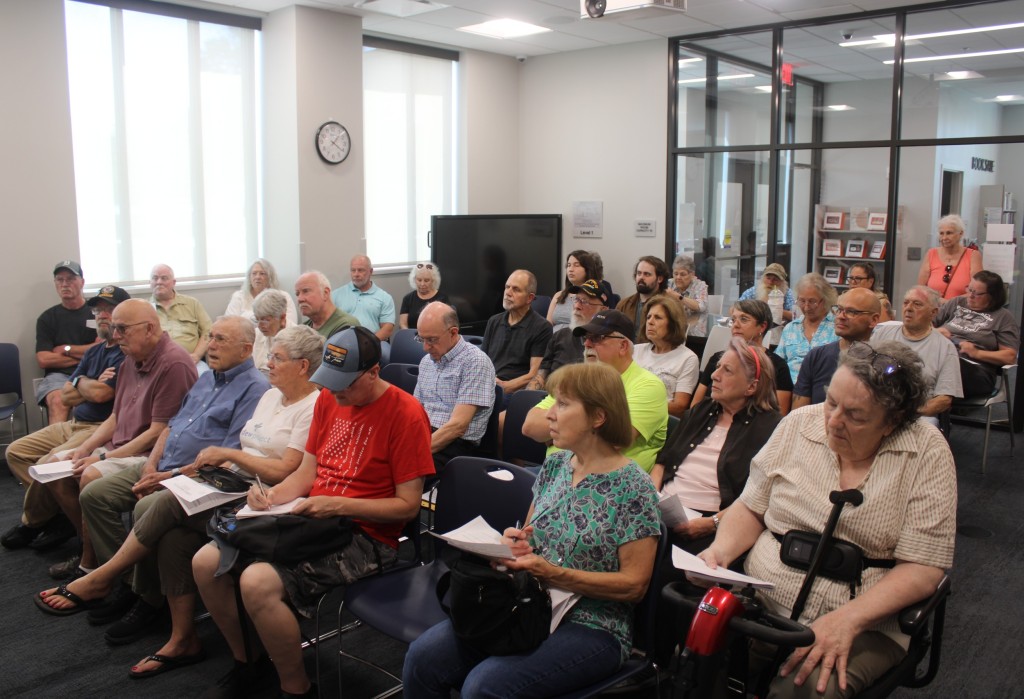
One resident in attendance shared that she and her husband have had their home on the market since last September and have been told by their realtor that multiple potential buyers canceled their appointments to see the home after hearing about the data center nearby.
“I would love to get in contact with your realtor,” Sheets told the resident, adding that they are building their case through multiple avenues including realtors, environmental experts, and impacted residents.
The case is still in its infancy, and the next steps — including the defendant’s initial filing response and whether class certification is granted — likely will not be resolved for another six to nine months. Sheets and Liddle also said the case in its entirety could take up to four years to fully litigate. While they said that is on the longer side of what they hope, it is sometimes how these “environmental nuisance” class-action cases go.
When asked what to do in the meantime to fight against data centers, Sheets and Liddle advised residents to organize among themselves and hold their local officials accountable. Toward the end of the meeting one resident began gathering contact information from other residents in an effort to mobilize.
Hyperscale offers to buy homes
Since the lawsuit was initially opened, Hyperscale Data Inc. began sending what several residents were calling a “PR guy” who went from house-to-house on Louise Ave. — the residential road that sits right next to the data center with over 30 homes — talking to residents, apologizing for the company being a “bad neighbor in the past,” and hoping to make amends.
Several residents said a man identifying himself as John Stewart told them if they wanted to sell their homes, he and Hyperscale Data Inc. would make sure they got “fair market value.” Residents said Stewart also offered to outright buy the residents’ homes.
Liddle urged residents to be cautious in these situations and not to take someone’s first offer, especially an individual associated with Hyperscale Data Inc. Liddle told residents who were considering selling their homes to get multiple outside appraisals.
Most residents said they could not imagine selling their homes because generations of their families have grown up in them.
“I said [to the ‘PR guy’] ‘we’re the third generation that’s lived in this house,’ and I said, ‘you know, can you replace the value of what we’ve gained from the memories in this house?’ I said, ‘both my parents have died in this house,’ and I said, ‘what are you offering us?’ And he never answered it. He said, ‘I would give you fair market value,’” one resident who lives on Louise Avenue recalled.
Hyperscale expansion
As previously reported by Watershed Voice Hyperscale Data Inc. has finalized a land deal adding 48.5 acres to their current property. Those acres are directly attached to the current land and provide a significant extension to the company’s property. The land is currently “forested” and even includes a small lake.
Hyperscale has not yet announced their plans for the property. However, the company has made clear its intentions to continue expanding its “Michigan Campus.”
Maxwell Knauer is a staff writer for Watershed Voice.
Author

Related Articles
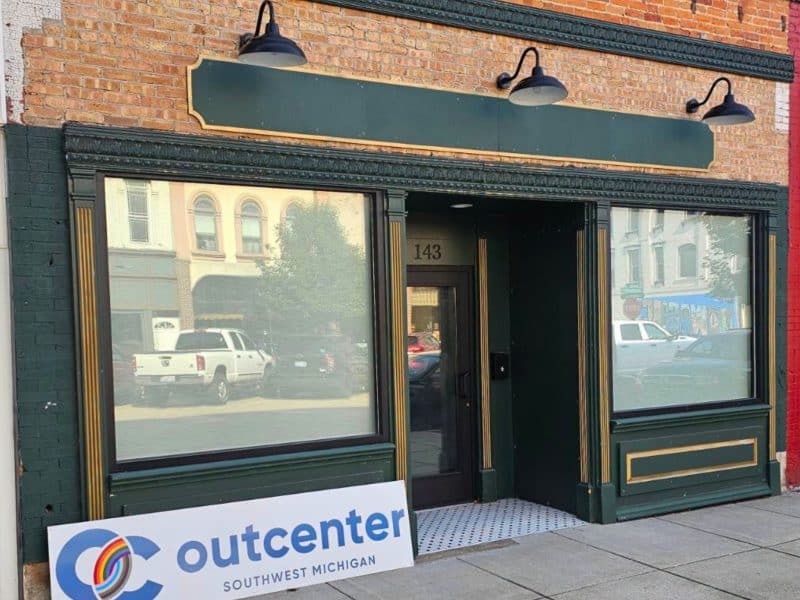
OutCenter hosting open house Friday in downtown Dowagiac
“We’re talking about a sizable portion of our communities that need support, need to be able to find community, and need folks out there that are advocating for them,” Executive Director Gerik Maverick said. “We have been working with schools for just over a decade. We work with healthcare systems on training to make sure folks are able to get resources. We’re working with the area agency on aging on some very exciting new projects.”

Cass County town hall to discuss data centers and local impact
SaveCassCounty is hosting a town hall in Cassopolis Sunday to discuss concerns around data centers, Fibrosan, and solar farms across Cass County. The organization has invited the public and elected officials to attend the second of two town halls organized by the group.
The town hall will be held on Sunday, September 27 from 2 to 4 p.m. at Ross Beatty High School Auditorium, 22721 Diamond Cove Street, Cassopolis, Michigan.
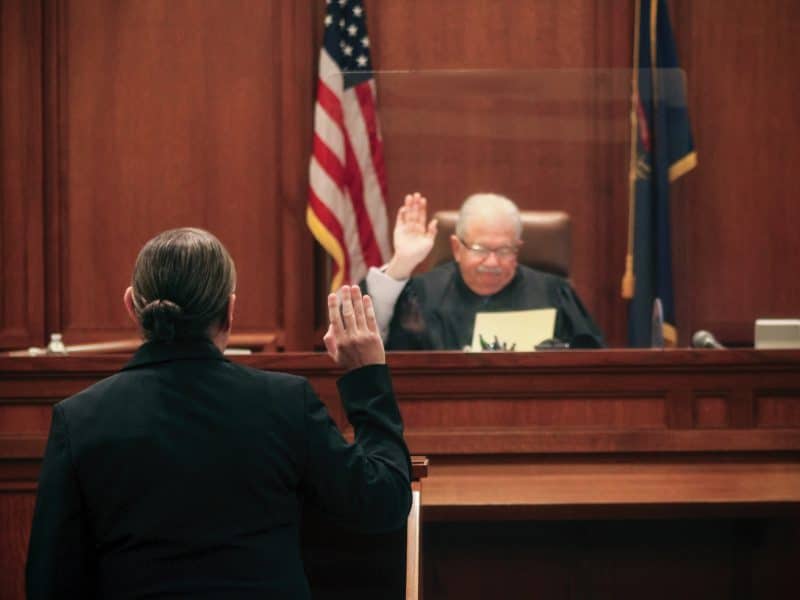
Cass County interim prosecutor sworn-in through 2028
Circuit Court Judge Mark Herman appointed Sarah Scoggin to the position on an interim basis on May 28 following the resignation of former Prosecutor Victor Fitz.
Scoggin has now agreed to serve through the end of the term, which ends in 2028, and may choose to seek election to a subsequent term.
