
Michigan seniors can learn how to foil costly scams
The FBI urges the public to be vigilant, reminding all to be wary of unsolicited communications, especially if money or personal information is requested.

Scams targeting seniors aged 60 and older led to over $3.4 billion in losses in 2023, the FBI reports.
Some of the most common scams reported by the FBI include charity scams, where fraudsters pose as representatives of legitimate or fictitious organizations and solicit donations. Non-delivery scams, where victims purchase items online but never receive them, are also prevalent.
Additionally, seniors are often targeted with grandchild scams, where imposters claiming to be grandchildren or other relatives in distress request money or gift cards.
Other common scams include tech support scams, where individuals posing as computer experts offer fraudulent technical support and trick victims into granting access to their computers and personal information. Romance scams, in which fraudsters feign romantic interest to build trust and then solicit money or loans, are also a significant concern.
The FBI also warns of blackmail scams, where criminals threaten to release personal information unless victims send money via wire transfer or gift cards. Investment scams, often involving fraudulent offers of financial advice or opportunities to invest in cryptocurrency, are another way seniors are being defrauded.
The FBI urges the public to be vigilant against these scams and offers the following tips to avoid becoming a victim:
- Be wary of unsolicited communications, especially those requesting money or personal information.
- Research organizations or individuals claiming to represent them before donating or engaging in business.
- Never send money or gift cards to someone you don’t know or trust.
Related Articles
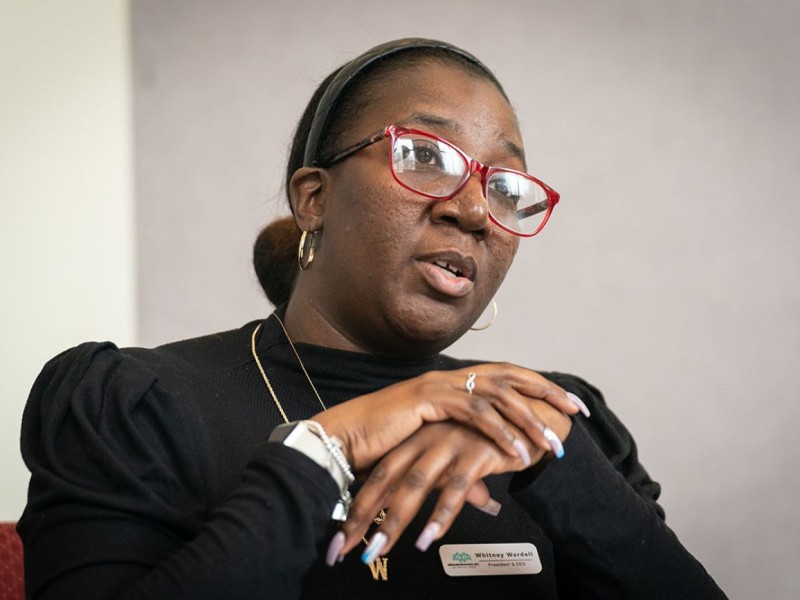
In Southwest Michigan, a new push to fight homelessness before it begins
Advocates say Michigan’s $4 million “shelter diversion” pilot program is keeping people off the streets by helping pay for rent, utilities, transportation and more. Is it time to take it statewide?
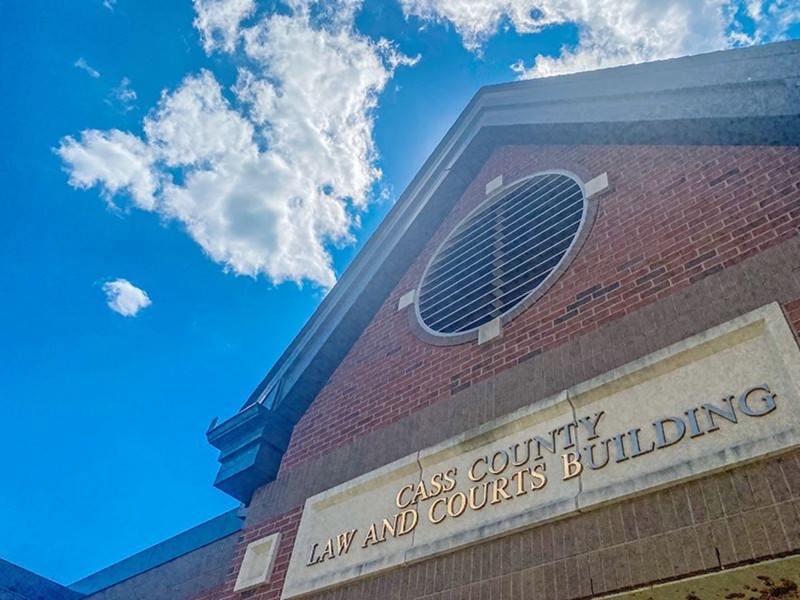
Cass County launches program to help strugging parents
“Many of the child support payers in our community struggle with transportation and other issues that impact their ability to regularly meet their child support obligations,” Cass County Friend of the Court Director Sarah Mathews said.

Michigan DNR issues winter safety reminder
“People often get caught up in the excitement of the moment and overlook winter safety,” Lt. Tom Wanless said.
