
Michigan mental health service shift blocked by Court of Claims
The dispute began last fall, when the Michigan Department of Health and Human Services (MDHHS) issued a request that would have consolidated Michigan’s 10 Prepaid Inpatient Health Plans (PIHPs) regions—funded primarily through Medicaid behavioral health dollars—into three “super-regions.” Regional PIHPs later learned that they, as the current providers, were excluded from bidding because they are statutorily restricted to operating within their designated regions. The PIHPs filed a lawsuit, arguing the RFP violated Michigan law and threatened locally administered mental health care that has existed since the 1990s.
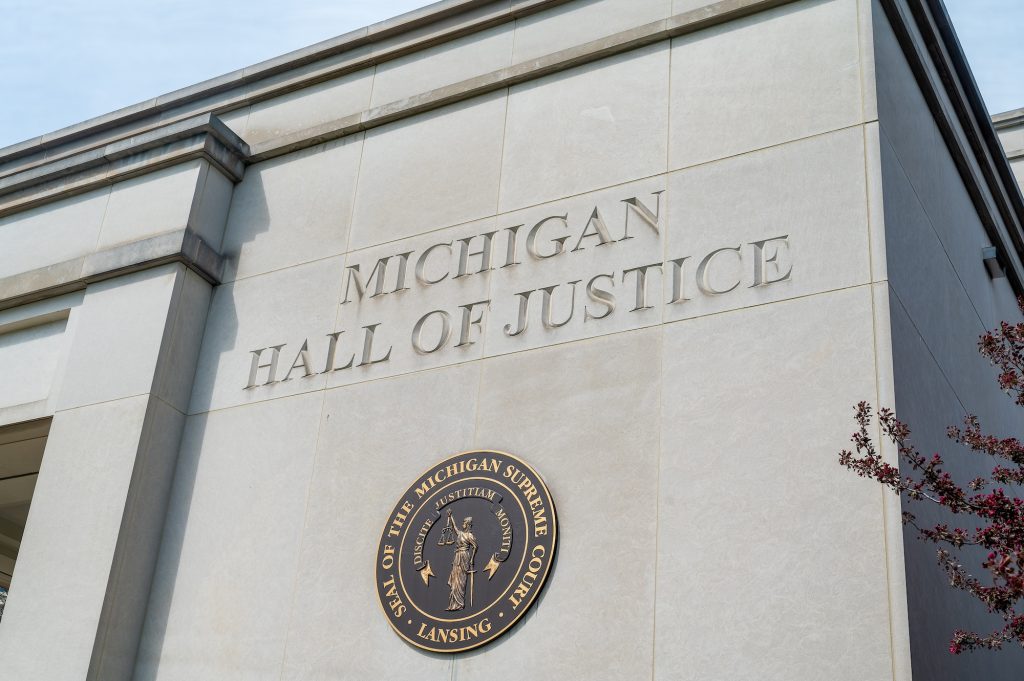
After a months-long legal dispute between Michigan’s regional Prepaid Inpatient Health Plans (PIHPs) and the Michigan Department of Health and Human Services (MDHHS), a Court of Claims judge has denied the department’s request to consolidate Michigan’s public mental health system through a request for proposal (RFP) procurement process.
The dispute began last fall, when MDHHS issued an RFP that would have consolidated Michigan’s 10 PIHP regions—funded primarily through Medicaid behavioral health dollars—into three “super-regions.” Regional PIHPs later learned that they, as the current providers, were excluded from bidding because they are statutorily restricted to operating within their designated regions. The PIHPs filed a lawsuit, arguing the RFP violated Michigan law and threatened locally administered mental health care that has existed since the 1990s.
Mental health services in Michigan are administered through county-based community mental health agencies, such as Woodlands Behavioral Healthcare Network, one of many agencies that would have been affected by the proposed changes. These agencies handle crisis calls, conduct intake assessments, and connect eligible residents to networks of local providers, including therapists, psychiatrists, residential programs, substance use treatment, and vocational supports.
Woodlands is part of Southwest Michigan Behavioral Health, a regional PIHP that would have been dissolved under the proposed restructuring. Under the RFP model, Woodlands would have operated under new regional leadership, a change that providers argued could reduce local coordination and oversight.
In a January 8 opinion, Court of Claims Judge Christopher P. Yates ruled that the RFP conflicted with Michigan law. His decision states, in part:
“For the reasons explained above, defendants’ motion for summary disposition beyond the award in the Court’s October 14, 2025 opinion and order is denied, and the Court hereby issues a declaratory pronouncement that the RFP, as drafted, impermissibly conflicts with Michigan law in numerous respects, especially insofar as the RFP restricts CMHSPs from entering into financial contracts for the purpose of funding CMHSPs’ managed-care functions. However, the Court will not yet issue injunctive relief that directs defendants to amend or pull back the RFP. Defendants must decide, in the first instance, how to address the conflicts between Michigan law and the RFP that the Court has identified. This is not a final order. It does not resolve the last pending claim or close the case.”
Following the ruling, the state notified all applicants that the RFP had been canceled and that no awards would be issued. While the state could issue a revised RFP that complies with the Michigan Mental Health Code, MDHHS has not announced whether it intends to do so.
In a statement, MDHHS said it rescinded the RFP “to evaluate next steps and available options” and emphasized goals of improving access to care, strengthening consumer choice, and ensuring Medicaid resources are directed toward direct services rather than duplicative administrative functions. The department noted that Michigan’s behavioral health delivery framework has remained largely unchanged since the late 1990s and said it would continue engaging with community partners as it evaluates future options.
The Community Mental Health Association of Michigan (CMHAM) also released a statement responding to the decision, commending the court’s finding that the RFP conflicted with the Michigan Mental Health Code, which governs how PIHPs and community mental health agencies administer services.
“We are pleased that the Court recognized fundamental inconsistencies between the state’s attempt to bid out the management of Michigan’s public mental health system and Michigan law,” the statement said, in part. CMHAM said the ruling highlighted concerns that the RFP would have limited community mental health agencies’ ability to fulfill statutory responsibilities, including ensuring recipient rights and providing comprehensive mental health and substance use disorder services.
Internal reactions
Woodlands Behavioral Healthcare Network Chief Executive Officer Michael Mallory shared his perspective on the ruling and the broader process with Watershed Voice.
“One thing this process reinforced for me is how interconnected community mental health organizations are with the Medicaid system and how important funding stability is to maintaining services for vulnerable residents,” Mallory wrote in an email.
Mallory said administrative changes can have downstream effects on service delivery and emphasized the importance of careful planning to prevent disruptions.
“My primary concern, regardless of the model, is that systems are designed in a way that protects access to care, minimizes administrative burden on providers, and ensures funding stability for essential services,” he said.
Mallory added that despite the resources devoted to the litigation by both regional PIHPs and MDHHS, services were not interrupted. He said his experience working in another state gave him perspective on Michigan’s system, noting that some states have transitioned similar services to private insurance-managed models.
Amy Davidhizar, provider network manager at Woodlands, said the RFP raised concerns about how provider roles and relationships were understood.
“From where I sit, this process has been stressful, exhausting, and frustrating,” Davidhizar wrote in an email. “It’s very difficult when you feel like the very entity that’s supposed to support you doesn’t understand the basics of what community mental health agencies and PIHPs do under the Michigan Mental Health Code.”
Davidhizar said the uncertainty created by the proposed restructuring extended to job security for workers throughout the system.
She also described the importance of local provider relationships in responding to client needs, including after-hours crises.
“One of my biggest concerns throughout this process was how changes could affect the relationships we’ve built with providers and, ultimately, client care,” she wrote. “To lose that local care, concern, and support would have been detrimental to our clients, in my opinion.”
As of now, the state has not indicated whether it will pursue a revised RFP. Providers continue to operate under the existing system. Watershed Voice will continue to follow developments related to Michigan’s behavioral health system.
Maxwell is a staff writer for Watershed Voice.
Author

Related Articles
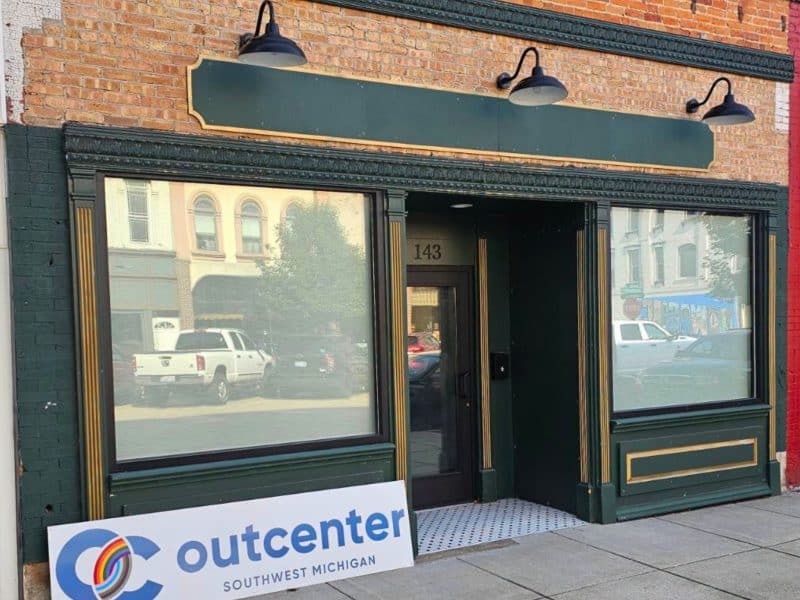
OutCenter hosting open house Friday in downtown Dowagiac
“We’re talking about a sizable portion of our communities that need support, need to be able to find community, and need folks out there that are advocating for them,” Executive Director Gerik Maverick said. “We have been working with schools for just over a decade. We work with healthcare systems on training to make sure folks are able to get resources. We’re working with the area agency on aging on some very exciting new projects.”
Three Rivers Athletic Club to host ribbon cutting ceremony Friday
The fitness center once thought to be closing for good will host a ribbon-cutting ceremony Friday after its new owners reopened the gym under a new name, Three Rivers Athletic Club.

Findings of investigation into Sturgis City Commission conduct leaves key questions unanswered
After a closed session during their September 23 meeting, the Sturgis City Commission unanimously voted to release the findings of the external investigation by Miller Johnson that looked into alleged wrongdoing by commissioners. The report details the events leading up to the public controversy, the investigator’s findings, and his legal conclusions regarding the commissioners’ conduct.
This story presents the events chronologically, drawing on the investigator’s findings and the accounts of those interviewed.
