
Cass County prosecutors warn of staffing crisis in heated board meeting
“It starts with the chairperson who has made it obvious to me in the last two years that he does not want to find a workable solution,” Assistant Drug Prosecutor Ken Stecker said.
Chair Jeremiah Jones immediately interrupted him.
“I’m gonna hold you up right there, man, and I’m gonna subtract that from your time and you can have your full three minutes,” Jones said. “But from you right now till anybody else that wants to come up, if you talk to anybody specifically, it’s off limits and I’m gonna end it.”
Jones added he would turn off the mics of anyone who uses personal attacks at any of the commissioners.
“I’m not gonna be intimidated by you,” Stecker responded before continuing.
The back-and-forth highlighted the strain between the prosecutor’s office and some commissioners, tensions that prosecutors said have been building for months.
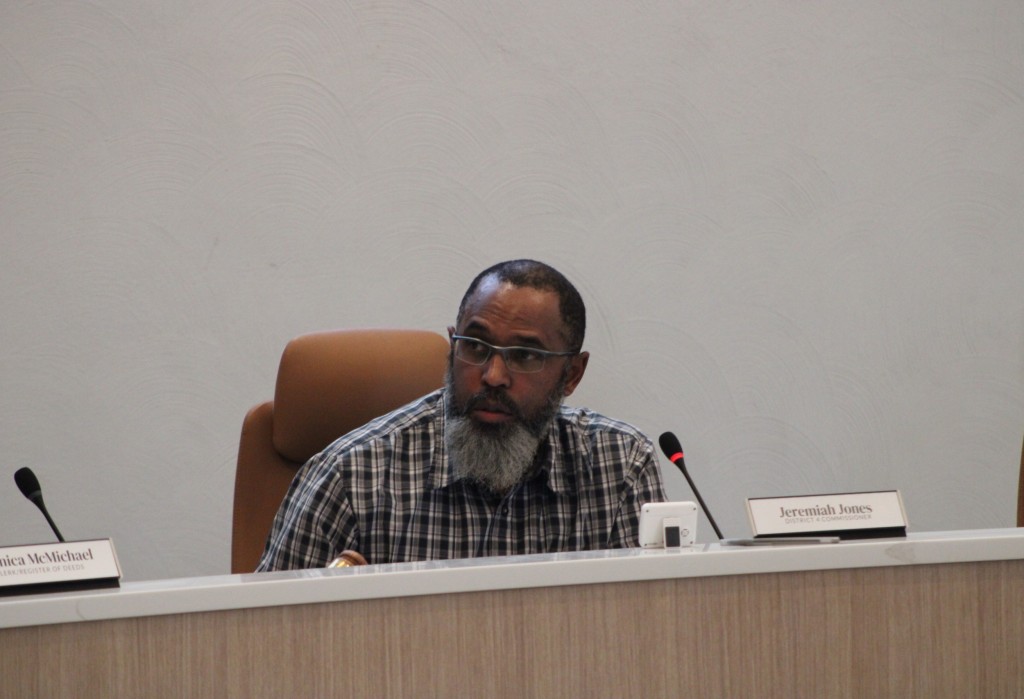
Cass County prosecutors warned commissioners Thursday that continued attorney turnover and limited pay flexibility are threatening the future of the office, triggering a tense and at times combative debate over pay, staffing, and county leadership.
The dispute unfolded during the April 9 Board of Commissioners meeting after Commissioner James Lawrence added a late agenda item for a discussion on “prosecutors retention and future of our lawyers in Cass County.” The item was listed near the end of the meeting, allowing prosecutors and members of the public to speak during public comment before commissioners formally debated the issue.
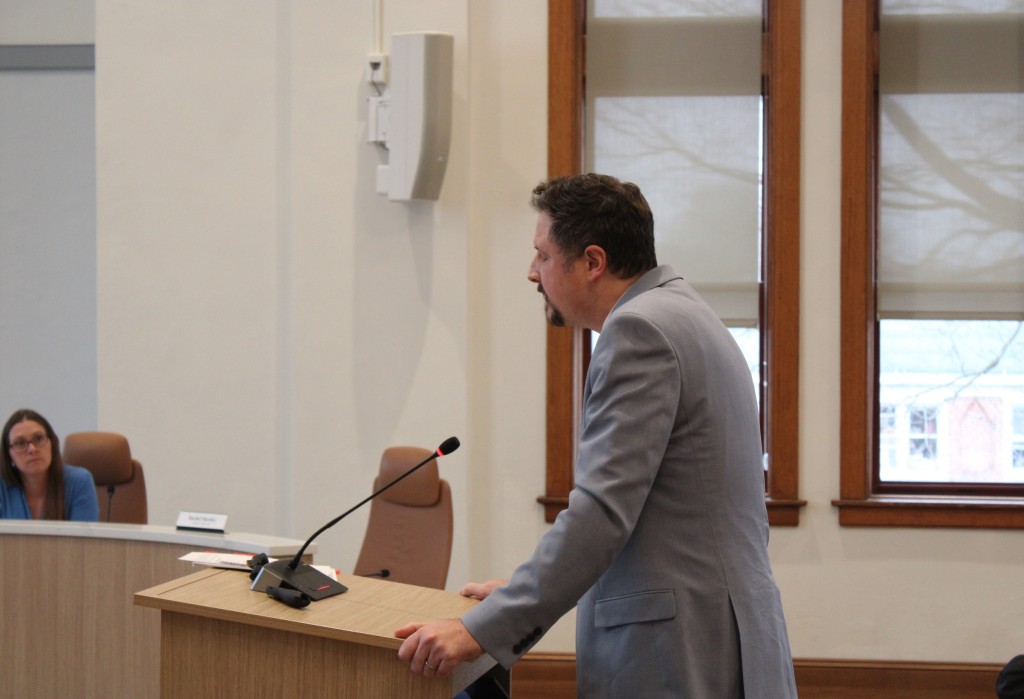
Cass County Prosecutor Victor Fitz appeared with multiple attorneys from his office, several of whom told commissioners the county is losing experienced lawyers to private firms and other public employers willing to pay more.
Assistant Prosecutor Jason Ronning, who announced plans to leave later this month, delivered one of the sharpest criticisms of the night.
“Twenty years ago when I was first offered the chief assistant position, the very first thing one of my colleagues said to me, and I quote, ‘Cass County is a den of vipers,’” Ronning said. “I said, ‘No, it can’t be that bad,’ and I came down and it was pretty bad. And I left and I came back a couple years ago. … The masks are different, but the knives are the same.”
Ronning’s comments set the tone for a meeting that repeatedly veered into personal accusations, interruptions, and raised voices.
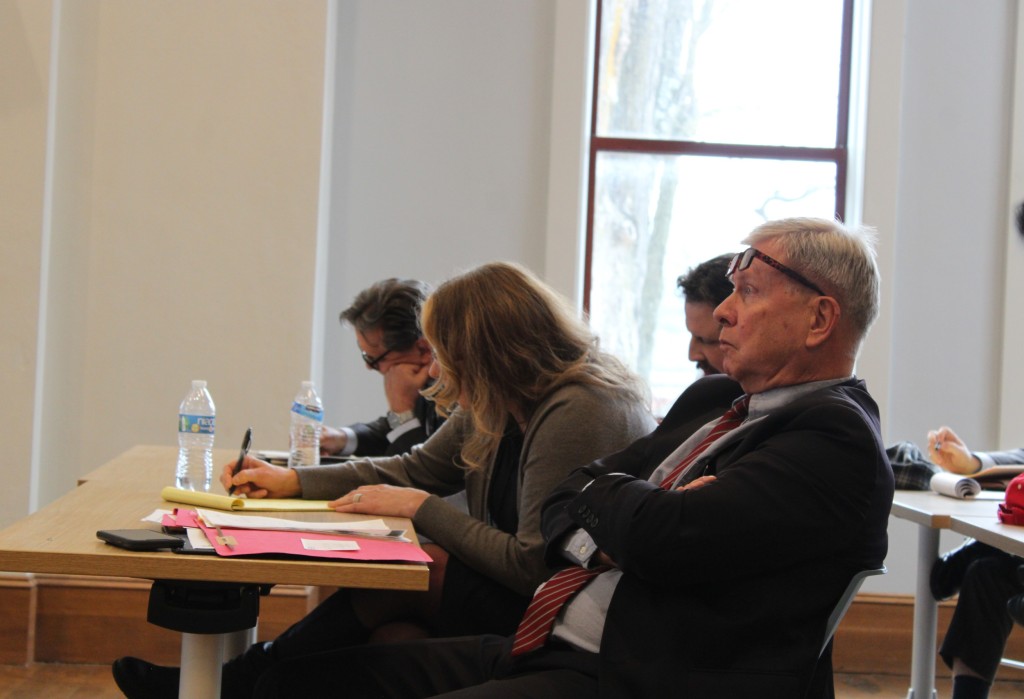
As attorneys continued speaking during public comment, Assistant Drug Prosecutor Ken Stecker accused county leadership of blocking solutions to the staffing problem.
“It starts with the chairperson who has made it obvious to me in the last two years that he does not want to find a workable solution,” Stecker said.
Chair Jeremiah Jones immediately interrupted him.
“I’m gonna hold you up right there, man, and I’m gonna subtract that from your time and you can have your full three minutes,” Jones said. “But from you right now till anybody else that wants to come up, if you talk to anybody specifically, it’s off limits and I’m gonna end it.”
Jones added that he would turn off the mics of anyone who uses personal attacks at any of the commissioners.
“I’m not gonna be intimidated by you,” Stecker responded before continuing.
The back-and-forth highlighted the strain between the prosecutor’s office and some commissioners, tensions that prosecutors said have been building for months.
Prosecutors say departures are growing
Fitz and other attorneys repeatedly argued that Cass County is facing the same attorney shortage seen in many communities, but said local compensation decisions have made the problem worse.
They warned that if wages remain uncompetitive and retention tools are unavailable, more attorneys will continue leaving, increasing caseload pressure on those who remain and slowing the handling of criminal cases.
Fitz said the board controls whether prosecutors can receive raises or retention increases.
“My hands are tied,” Fitz said.
Prosecutor Mary Foster later told commissioners additional departures could be coming.
One resident who spoke compared an understaffed prosecutor’s office to a “catch-and-release” system, arguing arrests lose meaning if cases cannot be effectively prosecuted.
Commissioners push back
Several commissioners rejected the idea that compensation alone is driving the problem.
Some board members described the prosecutors’ warnings as fear-based, and said the county had recently completed a compensation review designed to ensure employees are paid fairly.
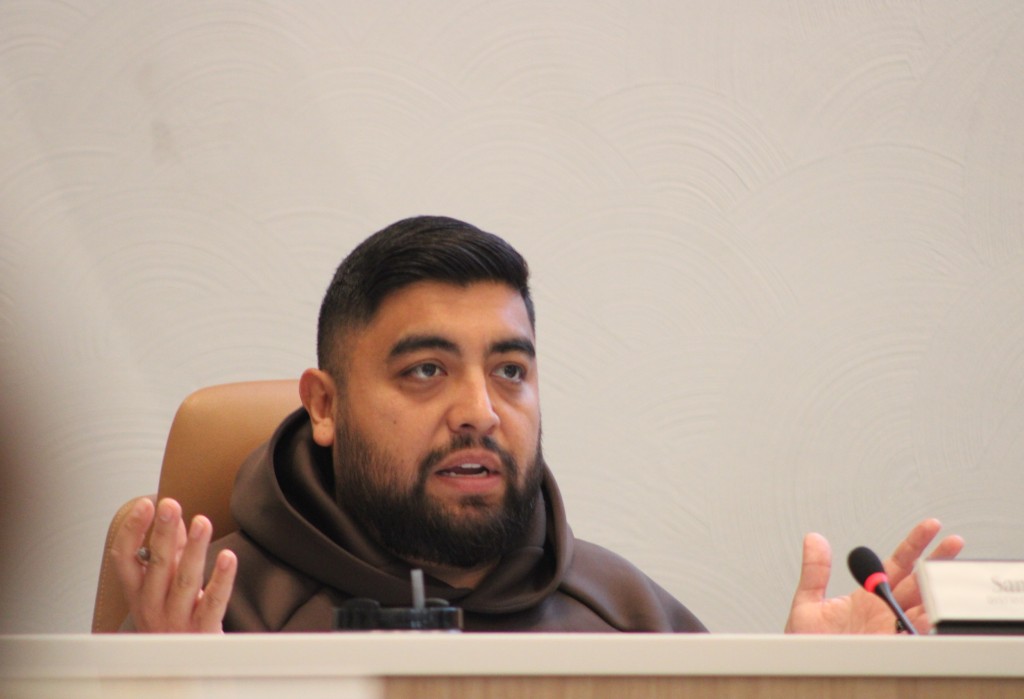
Commissioner Sam Barrera grew visibly frustrated during the debate, yelling that prosecutors accepted their jobs knowing what the positions paid.
Prosecutors also publicly criticized Jones, Barrera, and Commissioner Roseann Marchetti, saying those commissioners had declined to meet and discuss possible solutions.
Marchetti said she wanted to meet but had not found time. Barrera said he was willing to meet by Microsoft Teams when schedules allowed, but would not discuss wages outside the formal process.
By the end of the meeting, Marchetti said the confrontation was unlike anything she had seen in years on the board.
“This is the worst meeting I’ve ever been to and I’ve been here for 16 years,” she said.
What the class-and-compensation study was meant to do
Much of Thursday’s argument centered on Cass County’s recently completed classification and compensation study, commonly referred to as the “class comp” study.
The county hired Municipal Consulting Services LLC in 2024 for up to $60,000 to review county jobs, wage scales, and benefits across departments. The purpose of the study was to compare Cass County pay to similar counties, evaluate internal equity between positions, and recommend a structured pay scale with salary grades and step levels.
The final report created a 13-grade wage system and recommended pay ranges for most county positions. It also analyzed whether Cass County workers were underpaid or overpaid compared with peer counties.
According to the report, county employees overall were paid about 1% above the market midpoint among comparable counties.
Commissioners opposing additional raises cited those findings Thursday, arguing the county had just invested in a professional compensation review, and should follow that system rather than make piecemeal exceptions.
Prosecutors countered that countywide averages do not reflect the specialized market for licensed attorneys, who can often move quickly into higher-paying private practice or neighboring government jobs.
What the step retention policy would have done
Another major point of conflict was the board’s March 19 rejection of a proposed step-level retention increase policy.
That proposal would have allowed the county administrator to approve raises of up to three steps within an employee’s existing pay grade for eligible nonunion workers when a department head or elected official could show the increase was necessary to retain valuable staff. If such action was denied, the request could be appealed to the board’s salary committee and then the full board.
Supporters argued the measure would give county leaders flexibility to keep experienced workers who receive outside job offers, without requiring a full reclassification of the position.
Opponents argued it would create an end-run around the new compensation structure.
“In my opinion I think it creates a loophole to a process that we just put in place,” Barrera said during the March 19 meeting. “I’m not looking to create a loophole right now that can be used and abused.”
Jones also said at that meeting that the county had hired an administrator to make compensation decisions, and he trusted that process. The resolution failed 7-1, with Commissioner Alan Northrop casting the only yes vote.
Despite the lengthy debate, commissioners took no formal action Thursday on prosecutor compensation or staffing.
County administration responds after meeting
After Thursday’s meeting, county administration issued a statement Monday defending its recent support for the prosecutor’s office, disputing suggestions that county leaders had failed to invest in staffing or compensation.
County Administrator Jennifer Rentfrow said the county has made “substantial investments” in the office in recent years while trying to maintain fairness across departments, and remain fiscally responsible.
According to the statement, those actions included adding an assistant prosecuting attorney position, creating APA II and APA III classifications for career advancement, implementing on-call stipends for attorneys covering weekends and holidays, and completing the countywide classification and compensation study requested by the prosecutor’s office.
The statement also said the county previously used its step-level retention policy multiple times for the prosecutor’s office, and that no other elected office had used the policy.
Administration further stated two APA III attorneys received salary increases of 22.8% and 18.4%, respectively, over recent years, excluding stipends and benefits.
The statement did not directly address prosecutors’ warnings Thursday that additional departures may still be coming.
Maxwell Knauer is a staff writer for Watershed Voice.
Author

Related Articles
Dowagaic Ward 1 Councilmember Tharan Suvarna resigns; Hyperscale provides update
Tharan Suvarna said he accepted a job on the other side of the state and will no longer be able to serve in the position, which he was elected to in November 2025.
“I have accepted a job in another community by my parents, so this will be my last council meeting,” Suvarna said. “I wanna say thank you. It has been a pleasure serving on this council board.”
Dowagiac council approves $10K for sound study at data center
On Tuesday, August 11, Hyperscale announced that its board is reviewing strategic alternatives for its Michigan data center, including a potential sale or lease of part or all of the facility. The company said the review is intended to “maximize stockholder value.”
Juvenile arrested after armed confrontation with Cass County deputies
A juvenile was taken into custody Sunday after allegedly pointing a firearm at Cass County sheriff’s deputies and later threatening them with knives, according to the Cass County Sheriff’s Office.
