
New Glen Oaks leader Bryan Newton charts path for college’s future
In an interview with Watershed Voice, Newton discussed his responsibilities, plans to improve student success, efforts to strengthen the college’s presence in the community, and his adjustment to rural living.
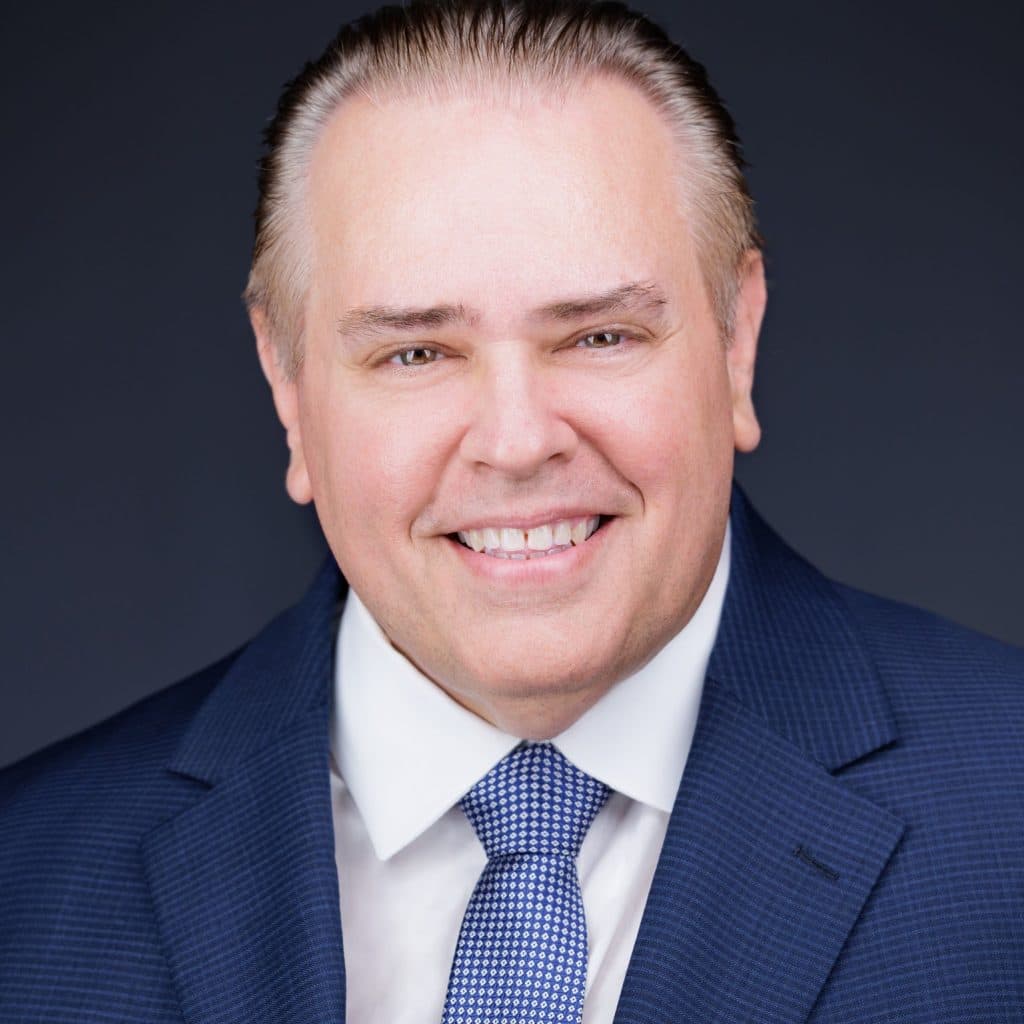
After stepping into his role in July 2024, Glen Oaks Community College President Dr. Bryan Newton is settling into both the position and the rural community he now calls home.
In an interview with Watershed Voice, Newton discussed his responsibilities, plans to improve student success, efforts to strengthen the college’s presence in the community, and his adjustment to rural living.
“I’m still getting acclimated to the college and the community, but so far, it’s been a great experience,” Newton said.
Newton brings more than 23 years of experience in community colleges to Glen Oaks. He previously held leadership positions at Ivy Tech, Aiken Technical College, and Warwick Community College before accepting a three-year contract as Glen Oaks’ president.
Since his arrival, Newton has overseen several major initiatives, including preparing the college for an accreditation review by the Higher Learning Commission. In November, Glen Oaks successfully met all accreditation requirements.
Another priority has been improving campus security. Previously, the college relied on maintenance staff for security duties, but under Newton’s leadership, Glen Oaks partnered with the St. Joseph County Sheriff’s Department to hire a full-time deputy, who started in November.
“We’re looking at ways to add additional security personnel in the evenings and on weekends because, really, what we do here at Glen Oaks is a 24/7 presence,” Newton said.
Additionally, Glen Oaks is expanding its agricultural equipment technology program. The college recently acquired a center pivot irrigation system and joined a consortium of community colleges to collaborate on grants and student leadership development in agriculture.
“It’s a program that’s unique throughout southern Michigan, Indiana, and Ohio. There’s no other program like it,” Newton said. “With the rural nature of St. Joseph County and the importance of agriculture, it’s critical that we play a role in not only equipment but also in irrigation, soil usage, and possibly solar energy.”
Newton aims to better support students after graduation, ensuring they transition successfully into careers or continue their education.
“If a student completes their degree but doesn’t take that next step — whether securing a job or transferring to a four-year university — it’s not a complete success,” he said.
To address this, the college is establishing a career services office to track graduates’ career and academic progress. The goal is to use that data to create better opportunities for upcoming graduates. Glen Oaks is also expanding its transfer agreements with four-year institutions, currently partnering with about 20 universities to ensure seamless credit transfers. Workforce development is another priority, with an emphasis on adding short-term training programs that equip students with in-demand job skills.
One of Newton’s key objectives is developing a new strategic plan for the college. A community-wide survey has been distributed to gather input, with a finalized plan expected to be approved in June.
“This survey will give us a clearer idea of what the college needs moving forward,” he said.
As the first Glen Oaks president to reside on campus in the Nora Hagen House, Newton has embraced campus life and the surrounding rural community.
“Living on campus has been a blessing,” he said. “It allows me to stay connected while also experiencing the rural way of life firsthand.”
While there are always challenges when leading any community college, Newton remains optimistic about Glen Oaks’ future.
“The goals of the college need to be what the college wants to do, what the community wants to do, and we are going to prioritize those going ahead.”
Najifa Farhat is a staff reporter with Watershed Voice.
Author

Related Articles
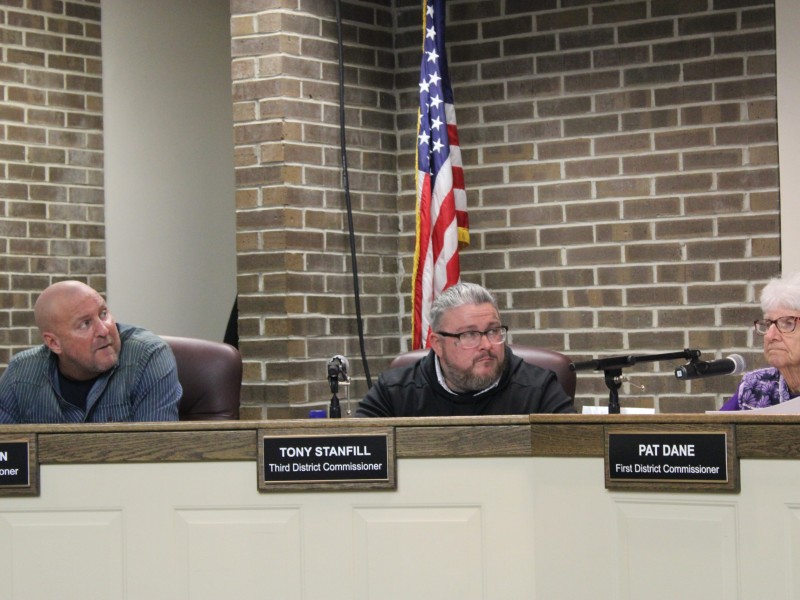
Three Rivers Commission approves nearly $3 million in road and infrastructure projects
The most contentious agenda item Tuesday was the Department of Public Services parking lot replacement project, where Commissioner Lucas Allen sharply questioned the city’s decision not to select the lowest bidder.
The exchange underscored broader tensions over cost, contractor selection, and the quality of infrastructure work across the city.
During discussion, Director of Public Services Amy Roth said the city plans to present a six-year road repair plan as part of the FY 2027 budget process, with initial discussion scheduled for May 12.

Save the date: Watershed Voice Artist Showcase
The sixth annual Watershed Voice Artist Showcase, a celebration of local musicians, spoken word artists, and local journalism, will return to The Huss Project this summer in Three Rivers.
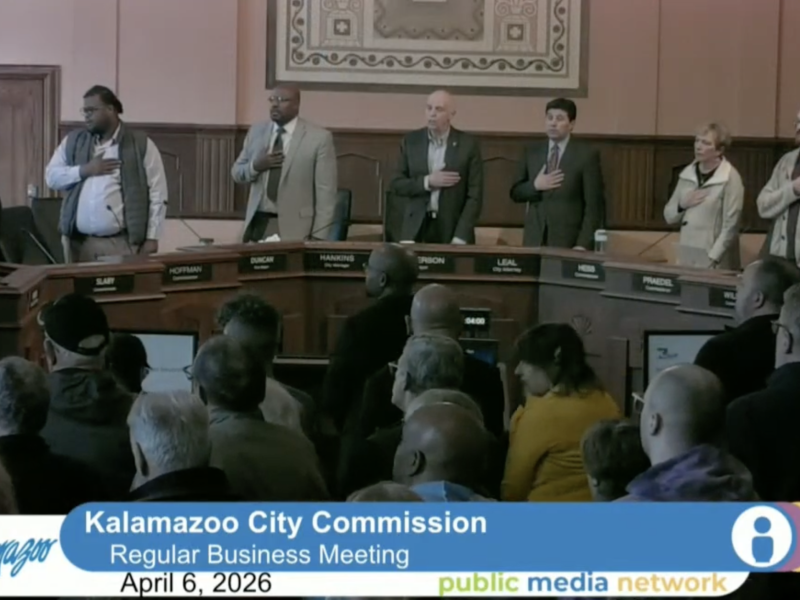
Kalamazoo commission removes $1.25 million federal police grant from agenda, residents cheer
“I’d ask that item H3 be removed from tonight’s agenda, given the timing and the need for additional review to ensure the commission has a full understanding of the longer-term implications,” City Manager Malcolm Hankins said. “Removing the item, I believe, is appropriate. It also effectively means non-acceptance of the grant at this time.”
Hankins’ comments were met with immediate applause from a packed commission chamber, where many residents had gathered to urge officials to reject the funding. This is the second time the item has been pulled from a commission agenda in recent weeks.
