
Monoform to show ‘Ganja & Hess,’ a pivotal film in Black cinema
Often regarded as a landmark in the history of Black cinema, Ganja & Hess (1973) uses vampirism as a metaphor for “Black assimilation and identity, white cultural imperialism, addiction, desire, and the hypocrisies of organized religion,” Monoform Cinema wrote on its website.
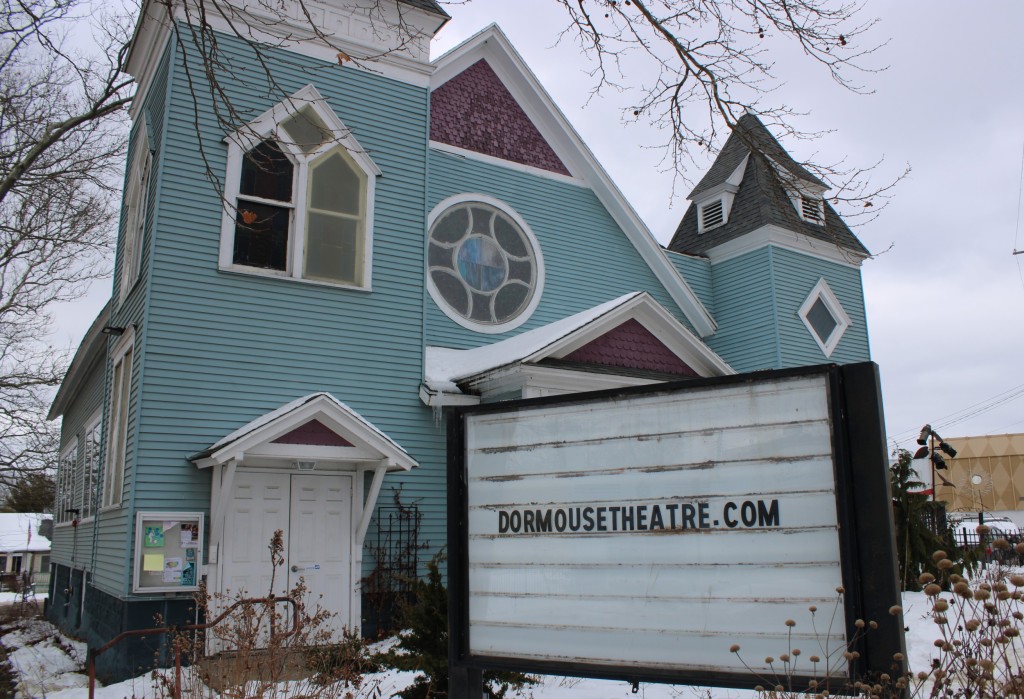
Monoform Cinema, a Kalamazoo-based micro-cinema that holds monthly screenings at Dormouse Theatre, is marking Black History Month with a screening of Ganja & Hess on Thursday, February 12.
Often regarded as a landmark in the history of Black cinema, Ganja & Hess (1973) uses vampirism as a metaphor for “Black assimilation and identity, white cultural imperialism, addiction, desire, and the hypocrisies of organized religion,” Monoform wrote on its website.
The film follows anthropologist Dr. Hess Green, played by Duane Jones, who develops an unquenchable thirst for blood after being stabbed with an ancient ceremonial dagger by his assistant. When the assistant’s wife comes searching for her missing husband, she and Hess form an unexpected partnership, exploring the power—and consequences—of blood.
Monoform is a repertory cinema—meaning it screens non-first-run films—and aims to educate audiences on film history while spotlighting important, and sometimes underseen, works. Each screening begins with an hourlong pre-show that may include crafts, informational packets, and documentaries that provide context for the featured film.
“We just wanted a place in Kalamazoo like this that did repertory screenings — kind of big into the pre-show and the community aspect of it,” organizer and co-founder Steve Remenapp told Watershed Voice. “One of the things I’m proud of is that it keeps growing and getting bigger and a little weirder and different as we go. When we started, it was just a 30-minute pre-show. Now we’ve got TVs, often we have printed materials—sometimes educational, sometimes just fun.”
Monoform held its first screening in July 2024 to provide a space in Kalamazoo for people to come together, watch movies and build community. Tickets are a minimum $5 donation, a model organizers say helps keep the screenings accessible.
That accessibility is central to Monoform’s approach. Organizers try to offer subtitles for as many screenings as possible—something Remenapp said can still be rare at theaters. For Ganja & Hess, he has been preparing subtitles on his own after finding a file online that was about 80% accurate.
“Ganja & Hess—the official restoration does not have subtitles. It just didn’t come with subtitles,” Remenapp said. “So I downloaded a file that was like 80% accurate, and I’m still going through and updating them.”
All Monoform organizers are volunteers, and revenue from screenings primarily goes toward licensing costs to show the films.
While Monoform prioritizes accessibility, Remenapp said the group also tries to make sure its programming reflects a wide range of artists.
“One goal is to make an effort to show film in all of its diversity, and put up a wide range of artists,” Remenapp said. “It’s so much more interesting to spread that out and show a wider range of diverse films and filmmakers.”
Monoform’s Black History Month selection this year, he said, fit that goal while also confronting the larger themes at the heart of the film.
“I think the curator should be somewhat invisible in a way — amplifying voices that are not your own,” Remenapp said.
“Ganja & Hess has been sort of noted as a very important film in the development of Black horror, especially at a time in the early ’70s,” he said. “Bill Gunn received production money on the heels of Blacula, and they were like, ‘Can you please make another Black vampire film?’ And there’s kind of a famous quote where he’s like, ‘The last thing I wanted to do was make a Black vampire film.’ So he took this money and made this wild art film about what it is to be a Black artist in the United States — what is desire, what is addiction, and what is the struggle of living in a white-dominated society. It’s frequently cited among Black film scholars as very important. I’m very curious to see the reaction, because it’s not an easy film.”
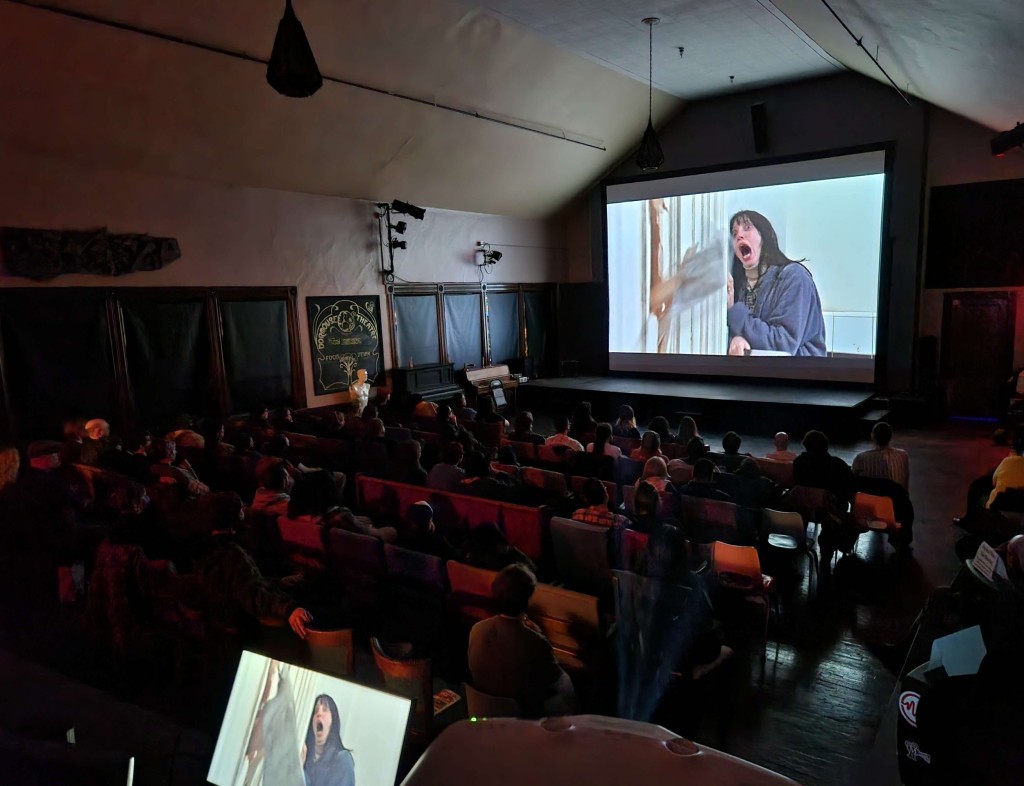
Remenapp also pointed to the setting at Dormouse Theatre — a former church that still uses pews for seating — as part of what makes the screenings feel communal.
“The Dormouse space is one of the reasons I appreciate it,” he said. “It lends itself to feeling like you’re in a community. Movie theater seats are kind of designed to cut you off from everyone around you. At Dormouse, you’re more aware that you’re in a room with other people watching something together.”
Remenapp and fellow co-founder and organizer Carman Goodrich said Kalamazoo’s arts culture makes it a good fit for a project like Monoform.
“Kalamazoo is not a huge city, but it’s a great arts city,” Goodrich said. They said what started as just them and Remenapp choosing movies together has grown into a team of six volunteers who collaborate on what to screen.
Doors open at 7 p.m. Thursday, February 12, for the pre-show. The film begins at 8 p.m. Tickets are a minimum $5 donation and can be purchased here.
Maxwell Knauer is a staff writer for Watershed Voice.
Author
Related Articles
Farrand Hall hits market as owners look to pass the torch
For now, co-founder James Gray said he hopes people see the sale not as an ending forced by controversy, but as a handoff.
“Like many businesses, they get sold, owners pass the torch,” he said. “It’s a great thing that we were able to build something that could be sold. We are excited to see it continue with new ownership.”
He added: “We truly believe Farrand Hall has a soul mate out there and that person will give this property the same love and dedication that we gave it.”
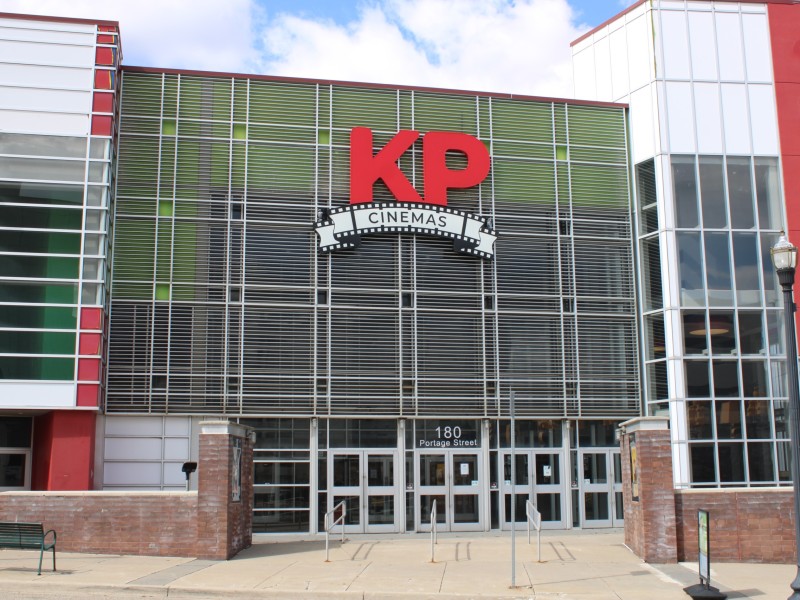
Local stories hit the big screen at Kalamazoo Film Society’s fourth annual showcase
The event features mostly filmmakers from Kalamazoo and the surrounding region, with films shot in — and in some cases about — the city itself.
One of the featured filmmakers, Jerod Kauffman, created a documentary about the final days of the longtime dive bar Harvey’s on the Mall, which closed after a buyout. Kauffman said he wanted to capture the story of a place that helped define Kalamazoo’s nightlife culture.
“The closure was sudden to everyone — the community and staff — so I wanted to immortalize a place that was loved by so many,” Kauffman wrote to Watershed Voice. “I saw a fence and bulldozer outside the building today on the way to work. I think it’s going to be torn down, so I am happy I was able to capture a piece of Kalamazoo history and the bar that stood and served the community for 40+ years.”
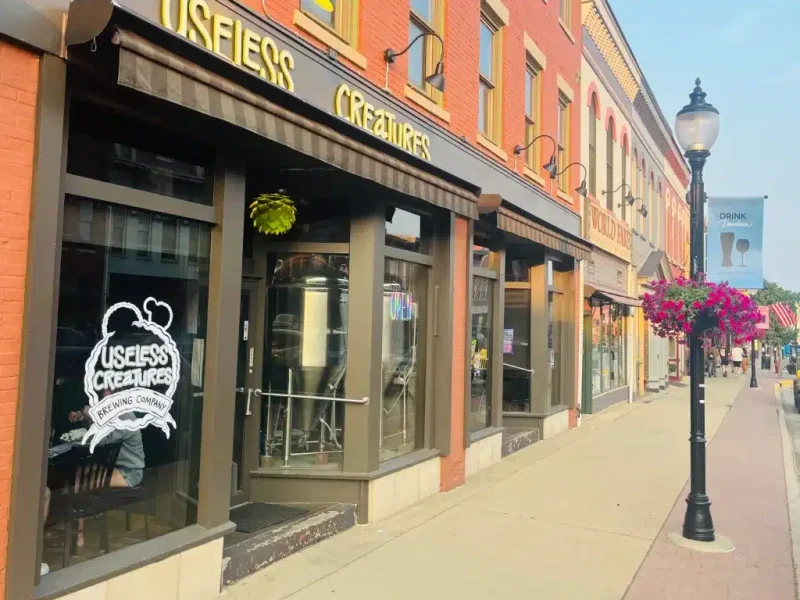
Useless Creatures to donate all of today’s sales to tornado relief
Useless Creatures Brewing Company plans to donate all sales today, Thursday, March 12 to tornado recovery efforts. All of the money will go to The Huss Project who has been organizing volunteers, collecting donations, and providing resources for those in need in the wake of the tornado.
