
St. Joseph County Board reverses course on property tax vote amid funding crisis concerns
The board had first rejected the annual inflationary adjustment to its base millage, a requirement under Michigan’s Headlee Amendment. The failed vote triggered warnings that the county would lose its ability to fund essential services, including law enforcement.
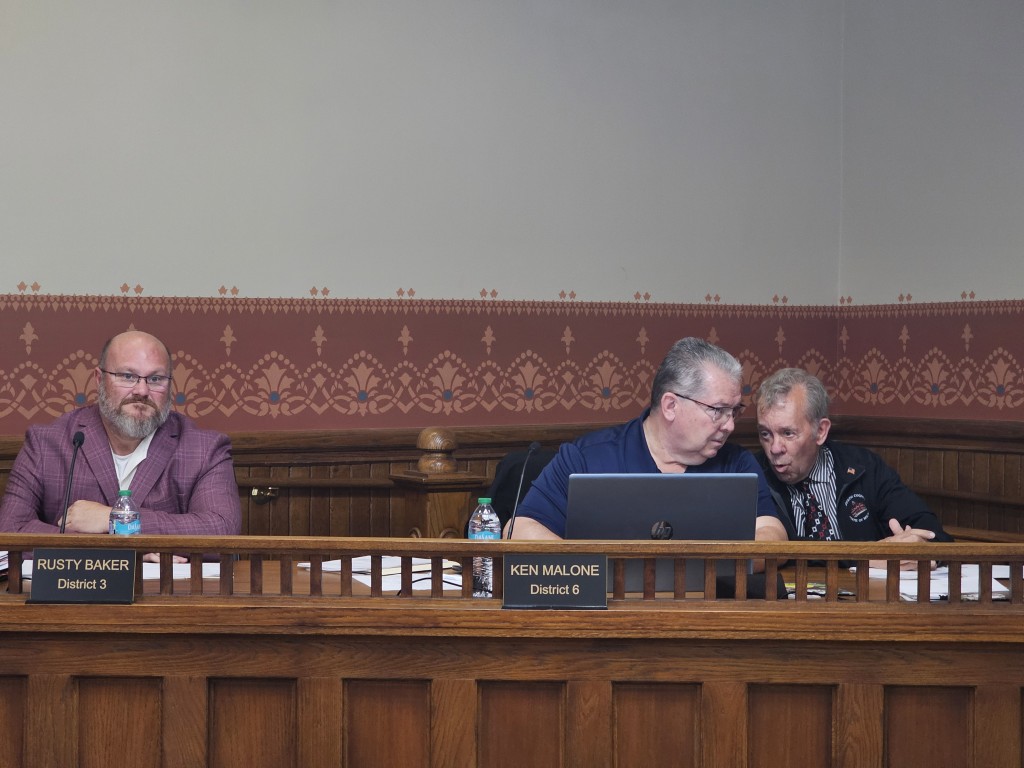
In a dramatic reversal Tuesday night, the St. Joseph County Board of Commissioners approved a 3.1% property tax increase after initially voting it down — a move that briefly left the county without the authority to collect general fund revenue.
The board had first rejected the annual inflationary adjustment to its base millage, a requirement under Michigan’s Headlee Amendment. The failed vote triggered warnings from several county officials that the county would lose its ability to fund essential services, including law enforcement.
“We just defunded the police,” Chair Jared Hoffmaster said moments after the initial vote failed.
Commissioner Luis Rosado who had opposed the measure quickly moved to reconsider. The board then passed the adjustment on a second vote, restoring the county’s revenue stream and averting a potential budget crisis.
But the tax measure was only one flashpoint in a meeting that drew one of the largest crowds in recent memory. Residents, coaches, and elected officials clashed over the future of the county’s park system, particularly amid speculation that sites like Cade Lake Campground and Covered Bridge Farm could be sold.
Hugo Gatles, manager of the Southwest Michigan Total Cats youth mountain biking team from Kalamazoo, spoke in defense of maintaining public access to parkland, especially Meyer Broadway Park, where the team regularly practices.
“Our mission goes beyond riding bikes,” Gatles said. “We help kids build confidence, develop character, and make lasting friendships.”
He also announced the team’s first major race, scheduled for September 20 at Warner Trail, which is expected to draw 600 to 700 riders and up to 400 families. “These families are going to bring business to hotels, restaurants, and shops,” he said, urging the board to recognize the parks’ economic and social value.
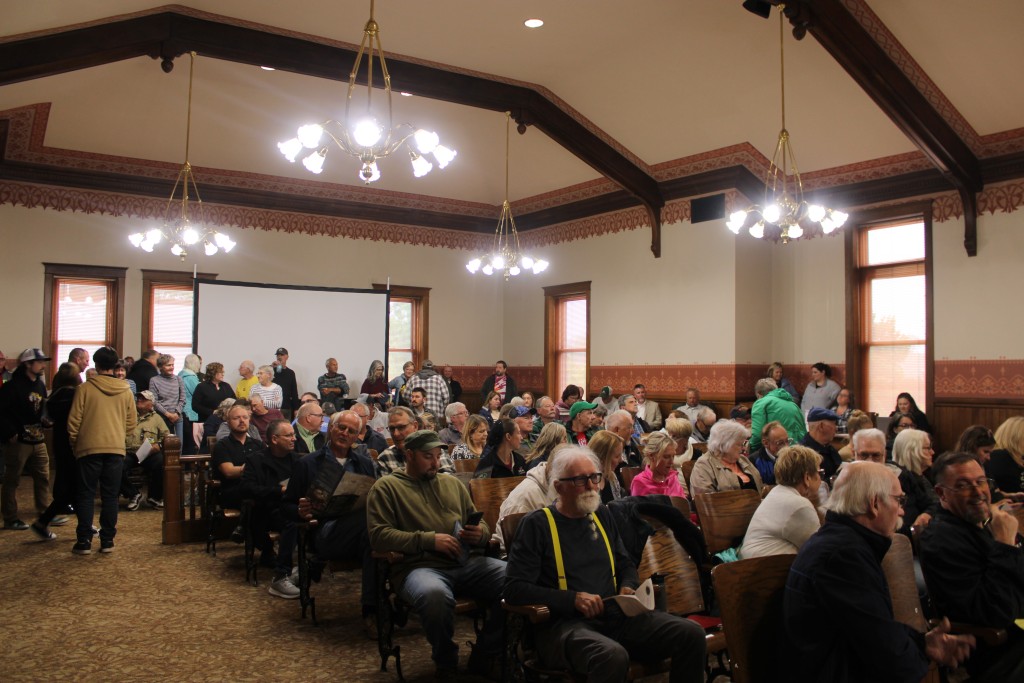
More than 15 residents spoke during public comment, overwhelmingly opposing any sale of public park properties — despite the issue not appearing on the official agenda.
The backlash followed recent social media posts from Commissioner Christina Yunker, who questioned whether county-run campgrounds compete unfairly with private businesses.
During her remarks, Yunker briefly addressed the controversy. “I support parks,” she said. “But a true park is where it’s open for everyone to use. These are campgrounds — you have to pay to use them.”
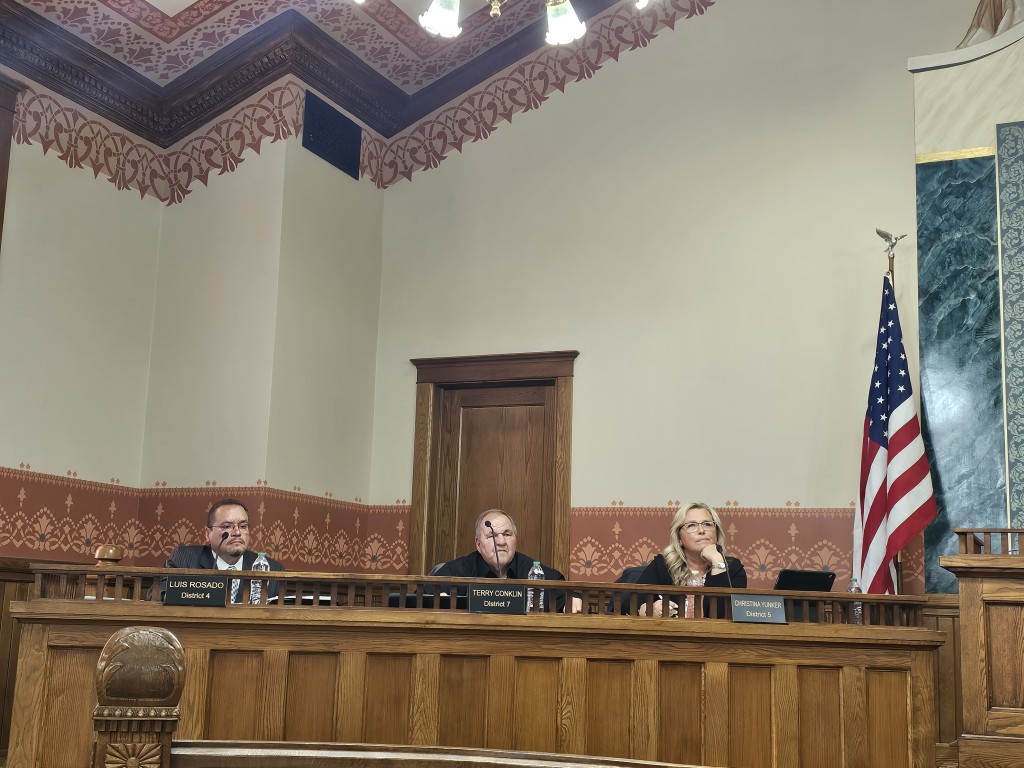
Yunker then shifted her focus to concerns about government transparency, county debt, and fiscal management.
Commissioner Luis Rosado took a firm stance against divesting parkland. “I will not support the selling of any St. Joseph County parks,” he said, citing Michigan constitutional provisions that allow local governments to operate recreational facilities.
Resident Stephen Morrow of Sturgis shared memories of his grandsons learning to fish in county parks. “Selling them off for a quick cash grab is a ridiculous idea,” he said. “These parks didn’t happen overnight.”
Others, including Sheila Kropa of White Pigeon, defended Yunker and criticized a petition circulating to “protect the parks.”
“Why is there a petition,” Kropa asked, “when Commissioner Yunker is the one trying to preserve them?”
Hoffmaster emphasized the contributions of local donors and volunteers in building the county’s park system. “These are community assets,” he said. “Selling them off isn’t just a financial decision — it’s an ethical one.”
In other business, commissioners unanimously approved contracts for road maintenance, a vehicle purchase for the parks department, and several annual service agreements.
As the meeting concluded, commissioners praised the public turnout and encouraged continued civic engagement.
“This room was full tonight, and it should be full every month,” one commissioner said. “That’s how democracy works.”
The board plans to hold a special session in the coming weeks to address long-term financial planning and spending priorities.
Najifa Farhat is a staff reporter with Watershed Voice.
Author

Related Articles

Watershed Voice sends out candidate questionnaires for November election
The November election is quickly approaching with just over three weeks before Election Day on Tuesday, November 3.
In preparation, Watershed Voice sent out questionnaires to candidates in local and statewide races. Although some local elections are uncontested, those candidates also received questionnaires.
Three Rivers City Manager Joe Bippus retiring in 2027
Longtime Three Rivers City Manager Joe Bippus announced his impending retirement during Tuesday’s Three Rivers City Commission meeting. Bippus, who accepted the position in 2000, said his 27-year tenure will end effective January 14, 2027.
Watershed Voice spoke with Mayor Angel Johnston and former Mayor Tom Lowry about Bippus’ decision, and what it means for the City of Three Rivers going forward.
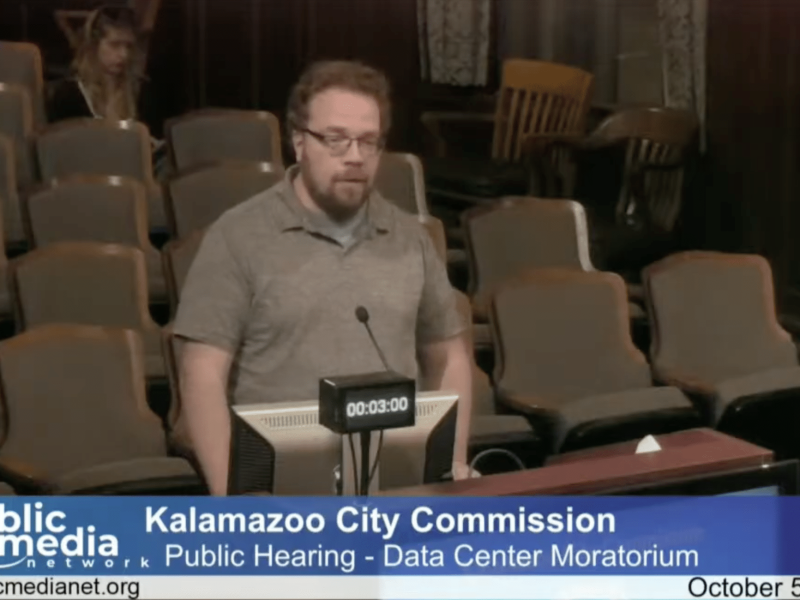
Kalamazoo officially has a data center moratorium
The moratorium, which lasts until October 5, 2027, includes data centers, battery energy storage systems (BESS), cryptocurrency mining centers and artificial intelligence data centers. Monday night’s meeting included the final public hearing on the ordinance before commissioners voted to approve it.
