
Data center becomes possibility for N Avenue development in Kalamazoo County
Data centers serve as the backbone of the internet by storing and processing digital information. They are increasingly in demand as cloud services, e-commerce and artificial intelligence expand. That growth, however, has also sparked controversy due to concerns over their environmental impact, and limited job creation compared with their land footprint.

Pavilion Township is weighing a zoning text amendment that would add data centers as a special exception use in its Industrial-2 zoning district. The change would not rezone any land but would update township ordinance language, opening the door for development on property Franklin Partners owns along N Avenue.
At an August 21 Pavilion Township Planning Commission meeting, Riley Lukomski of Southwest Michigan First and Will Schumacker of Franklin Partners pitched the amendment. According to meeting minutes, Schumacker said Franklin Partners is marketing the property for data center use and might even build on speculation to attract a tenant.
He told commissioners the site is attractive because a 138-kilovolt (kV) power line runs along N Avenue and reports on fiber and power availability are strong. He also noted data centers typically do not create truck traffic, are highly secure, and would pose “zero cost” to the township.
The Planning Commission scheduled a public hearing on the zoning amendment for September 18. After the hearing, the commission is expected to make a recommendation, with the Township Board ultimately deciding whether to adopt the change.
Pavilion Township Supervisor John Speeter declined to comment when contacted by Watershed Voice.
As of now, Franklin Partners has not submitted formal site plans for a data center. The current request is strictly for ordinance changes that would allow one to be built in the future.
At the August 21 meeting, Township Attorney Mike Bila also suggested removing well and septic system provisions from Industrial-2 zoning language and adding “data warehousing facilities” as a special exception use.
The proposal comes amid a larger national conversation about the rising demand for data centers and their impact on communities.
Data centers serve as the backbone of the internet by storing and processing digital information. They are increasingly in demand as cloud services, e-commerce and artificial intelligence expand.
That growth, however, has sparked controversy. Data centers across the country have faced pushback over their large energy and water demands, noise from cooling equipment, and limited job creation compared with their land footprint. In Michigan, a $1 billion data center proposal in Washtenaw County drew strong opposition from residents concerned about environmental impacts and changes to rural character, while a planned expansion in Dowagiac has raised questions about whether utilities can keep up with power needs. Nationally, projects have been criticized for high water usage in drought-stricken states, heavy electricity demand, and noise impacts from cooling systems.
Maxwell Knauer is a staff writer for Watershed Voice
Author

Related Articles
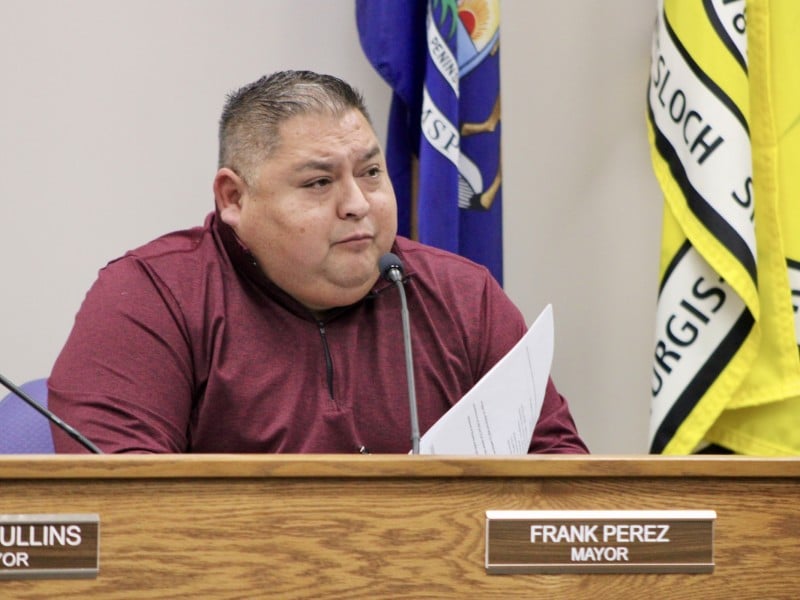
Sturgis approves release of investigation findings
The unanimous decision to release the findings came after a nearly two and a half hour closed session during which commissioners discussed the findings of the investigation, and what would be released to the public.
The decision to open an investigation came after weeks of Vice Mayor Jeff Mullins and City Commissioner Aaron Miller calling for Mayor Frank Perez to step down before attempting to remove and censure him. Mullins and Miller alleged that Perez and other commissioners contributed to an environment that led to former City Manager Andrew Kuk’s resignation.
This is a developing story and Watershed Voice will provide updates as they become available. Staff Writer Maxwell Knauer is working on securing the investigation findings and will provide coverage once he has done so.

Why talking about suicide matters
September is Suicide Prevention Awareness Month, and Watershed Voice encourages you to check in on your loved ones, yourself, and reflect on ways to look out for signs that people in your life are struggling.
The topic of suicide is often considered taboo and difficult to talk about. However, Nicolette Cole, a veteran navigator at Pivotal and instructor for its QPR suicide prevention training, says avoiding the topic can be part of the problem.

Cass County town hall to discuss data centers and local impact
SaveCassCounty is hosting a town hall in Cassopolis Sunday to discuss concerns around data centers, Fibrosan, and solar farms across Cass County. The organization has invited the public and elected officials to attend the second of two town halls organized by the group.
The town hall will be held on Sunday, September 27 from 2 to 4 p.m. at Ross Beatty High School Auditorium, 22721 Diamond Cove Street, Cassopolis, Michigan.
