
‘Many families are very afraid’: What to do if ICE shows up at your door
Across the country, including cities like Kalamazoo in Southwest Michigan, there have been reports on social media of U.S. Immigration and Customs Enforcement (ICE) activity. While these reports haven’t been independently verified, they have sparked fear among the immigrant community. The Michigan Immigrant Rights Center (MIRC) has prepared a guide to ease some of those concerns.

It has been nine days since President Donald Trump signed executive orders aimed at cracking down on immigration, particularly targeting undocumented migrants for detention and eventual deportation.
Across the country, including cities like Kalamazoo in Southwest Michigan, there have been reports on social media of U.S. Immigration and Customs Enforcement (ICE) activity. While these reports haven’t been independently verified, they have sparked fear among the immigrant community.
“Many families are very afraid,” said Christine Sauvé, who handles community engagement and communications for the Michigan Immigrant Rights Center (MIRC). “We’ve received triple our normal call volume from people concerned about their ongoing cases and pending applications.”
Despite the anxiety, Sauvé noted that MIRC does not have an official count of how many people have been detained in Michigan.
“We’ve also heard of increased sightings, but we don’t have a solid number on detentions yet,” Sauvé said. “It’s a developing situation, and we’ll have a better sense in the coming weeks.”
According to the Migration Policy Institute, Michigan is home to approximately 91,000 undocumented immigrants, making up about 1% of the state’s total population. Among this group, Mexicans represent the largest segment, with 39,000 individuals, followed by 13,000 people of Indian origin. Chinese and Guatemalan immigrants rank third and fourth, respectively.
The center’s most recent calls were from a couple of weeks before the Trump administration took over, but Sauvé explained there can be delays in reporting detentions.
Still, MIRC is advising families to take precautions.
“We’re telling families to prepare, not panic,” Sauvé said.
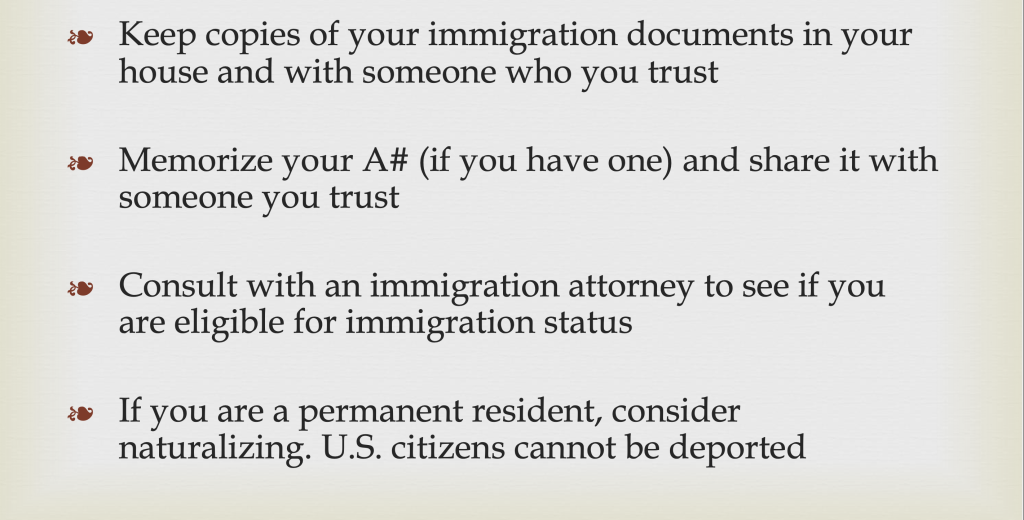
She recommended families organize their documents, familiarize themselves with their rights, and ensure their children have passports — an important step, as it’s more difficult to obtain passports while in detention. To help, MIRC has prepared a guide in nine different languages for immigrant families.
Kathy Greaves, vice chair of the Democratic Party in St. Joseph County, has been closely following the situation, attending local meetings to learn about resources for migrant families.
While she hasn’t heard of anyone directly being arrested, Greaves has been following the issue through social media and anecdotal reports.
“Because I am just freaked out about what could happen to people,” Greaves said.
Editor’s Note: Watershed Voice will continue to gather information and resources regarding this issue for its readership. If you or someone you know is affected by these new policies, please contact Najifa Farhat at najifa@watershedvoice.com. Anonymity will be provided for those who wish to tell their story while also protecting their identity.
Najifa Farhat is a staff reporter for Watershed Voice.
Author

Related Articles
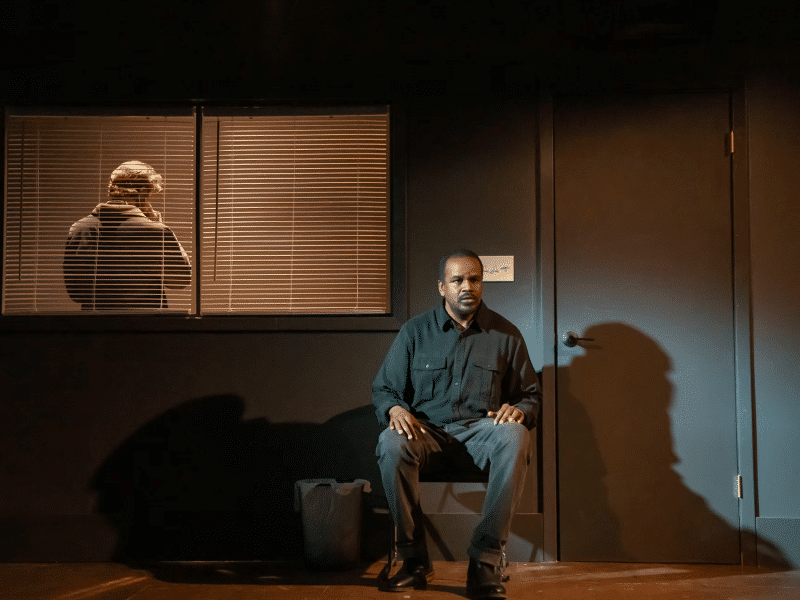
A play inspired by the Flint crisis is coming to Kalamazoo this October
The Poisoner, a neo-noir thriller inspired by the Flint water crisis, is coming to Kalamazoo’s Judy K. Jolliffee Theatre for three performances from October 22 through October 24 as part of a seven-city national tour.
Written by first-time playwright M.M. Haney and directed and developed by two-time Obie Award-winning director Lee Sunday Evans, the fictional story follows a journalist who returns to his hometown and begins investigating a water crisis.
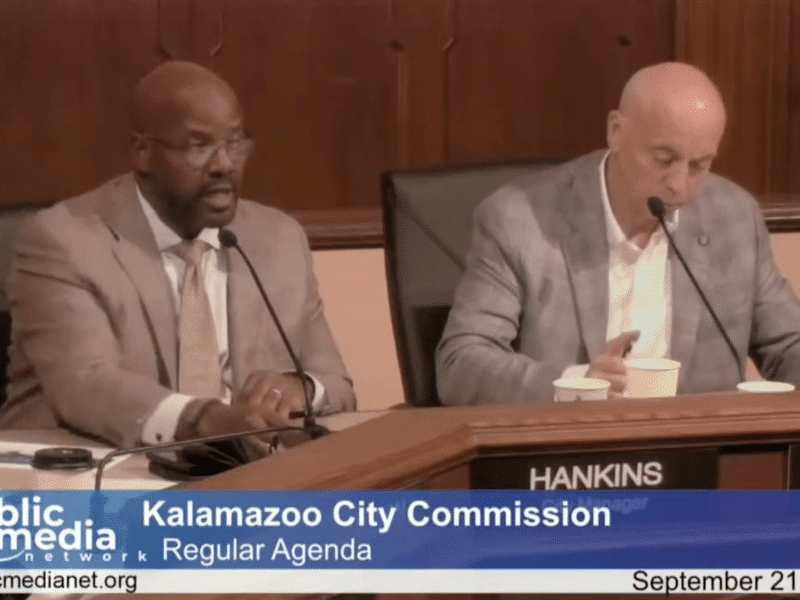
Kalamazoo passes robust surveillance contract policy mandating all related items must come to commission
Kalamazoo City Commissioners passed a policy change which will bring all Flock and related surveillance contracts directly to commissioners for consideration, regardless of the price of the contract.
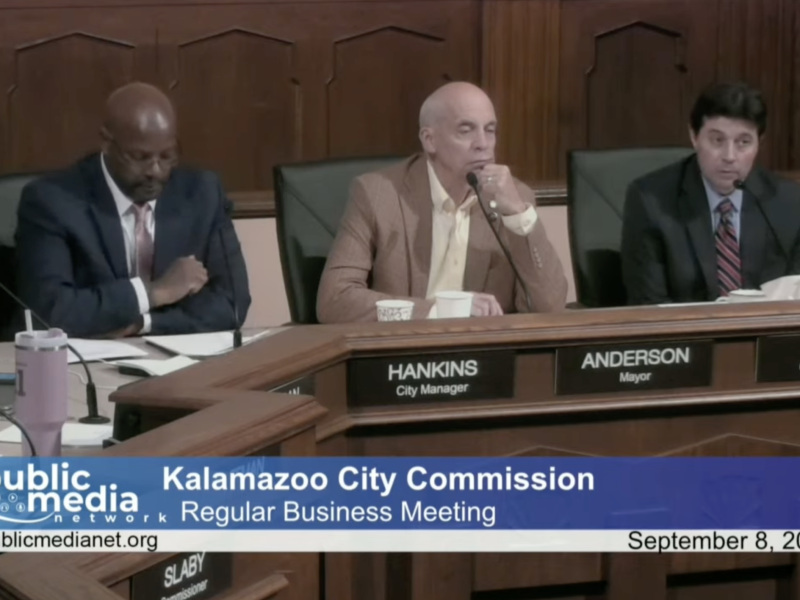
Kalamazoo commissioners seek broader oversight of surveillance technology
During the Kalamazoo City Commission meeting on Tuesday, September 8, commissioners decided to delay the formal adoption of a policy that would require contracts involving automated license plate reader technology to come before the City Commission, regardless of cost.
Vice Mayor Drew Duncan proposed expanding the amendment, asking that the policy incorporate all law enforcement surveillance technology, not just license plate readers.
