
Grant aims to reduce crashes between buggies and motorized vehicles in St. Joseph, Branch, and Hillsdale Counties
The three counties — Branch, Hillsdale, and St. Joseph — are home to 30% of Michigan’s total Amish population, making them a key focus for traffic safety efforts.
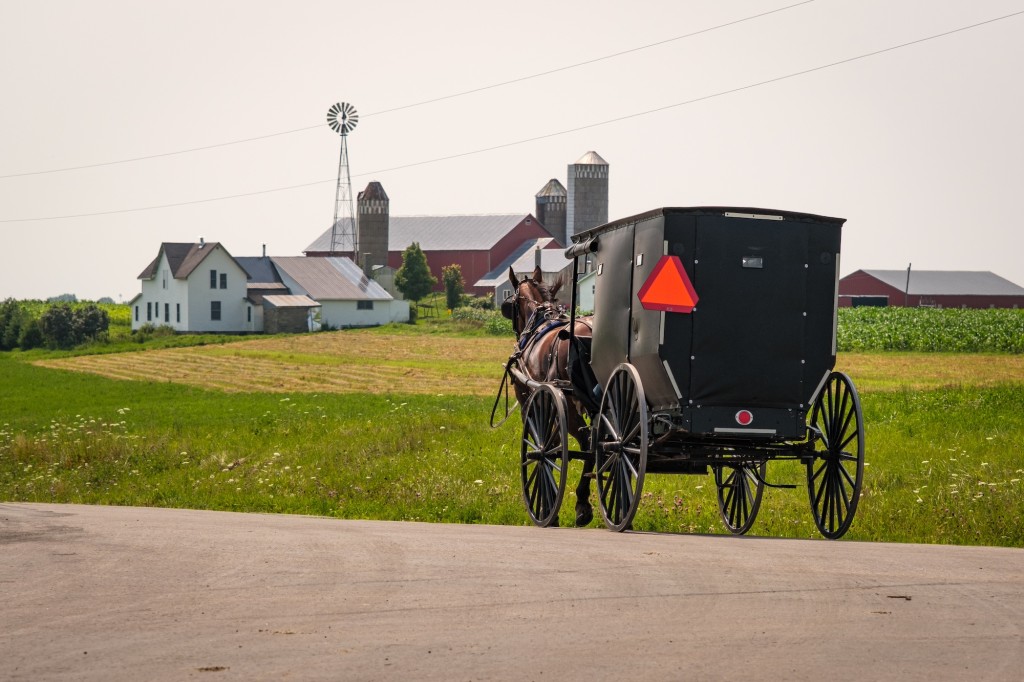
A $70,000 grant from the Michigan Office of Highway Safety Planning has been awarded to the Branch-Hillsdale-St. Joseph Community Health Agency to help reduce vehicle crashes involving Amish buggies in the region.
According to the health department, the initiative seeks to improve road safety through education, infrastructure improvements, and fostering communication between Amish and non-Amish communities.
The three counties — Branch, Hillsdale, and St. Joseph — are home to 30% of Michigan’s total Amish population, making them a key focus for traffic safety efforts. Since 2016, Michigan has recorded 261 crashes involving horse-drawn buggies, with 78 of those occurring within these three counties. Four fatalities have been reported since 2019, including a recent crash in St. Joseph County that claimed the life of a child.
With the grant, officials are taking a collaborative approach, engaging Amish leaders, including bishops, to discuss potential safety measures while ensuring that any proposed changes align with Amish cultural traditions. “Our main focus has been to establish relationships and communication with the Amish communities,” said the department’s Health Educator Joshua Englehart. “We want to ensure that any proposed safety measures align with their values and willingness to adopt them.”
To support these efforts, a planning committee has been formed, consisting of representatives from local sheriff’s departments, road commissions, the Michigan State Police, and trauma and injury prevention professionals from Mott Children’s Hospital in Ann Arbor and Bronson in Kalamazoo. The committee aims to identify effective strategies to reduce crashes, such as increasing the visibility of Amish buggies through reflective tape and blinking lights, as well as establishing designated school zones near Amish schools to alert drivers to the presence of children.
In addition to safety equipment, education is a key component of the initiative. “We’re working on developing outreach materials for both Amish and non-Amish drivers,” Englehart said. “Many non-Amish drivers don’t realize that horse-drawn buggies are classified as pedestrians under Michigan law. Raising awareness about their unique presence on the roads is critical to improving safety.”
Officials have also drawn insights from other states with large Amish populations, such as Pennsylvania, Indiana, and Ohio, to inform their approach. “This is a foundational year,” Health Education and Communication Specialist Kris Dewey said. “We are working to develop relationships, gather insights from other states, and build educational resources that can make a real impact.”
Dewey also said the grant is renewable, and the agency has already applied for funding for the 2026 cycle, hoping to build upon the progress made in the first year. Meanwhile, the Michigan Office of Highway Safety Planning has launched a media campaign, which includes billboards and gas station video marketing, to raise awareness of the risks associated with horse-drawn buggies on public roads.
Beyond statistics and policy changes, the initiative is about building understanding between Amish and non-Amish residents. “No one wants to be involved in a crash like this,” Englehart said. “The Amish community has expressed gratitude for the effort being made, and there’s a shared recognition that improvements can be made from both sides.”
Ultimately, officials hope that increased awareness, infrastructure improvements, and ongoing dialogue will create safer roads for everyone. “This isn’t about forcing legislation,” Engleheart emphasized. “It’s about collaboration and understanding—bringing the community together to find solutions that work for everyone.”
Najifa Farhat is a staff reporter for Watershed Voice.
Author

Related Articles
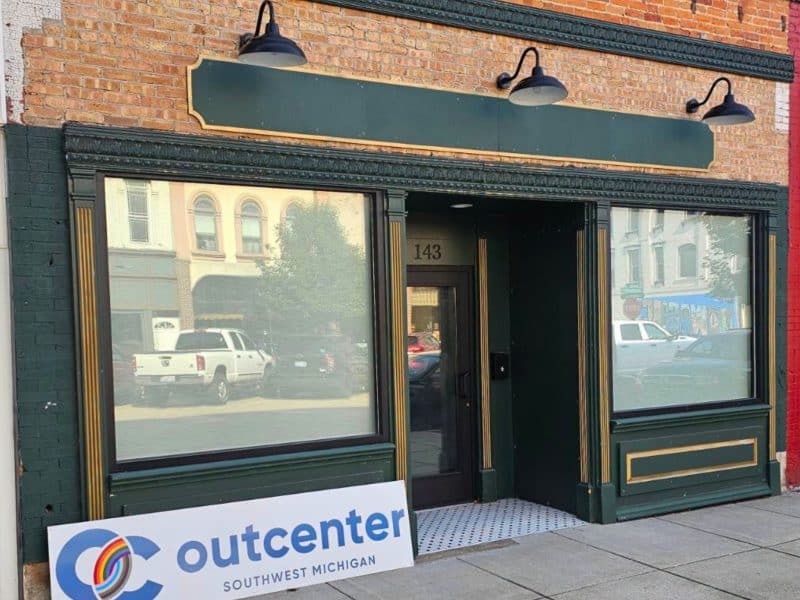
OutCenter hosting open house Friday in downtown Dowagiac
“We’re talking about a sizable portion of our communities that need support, need to be able to find community, and need folks out there that are advocating for them,” Executive Director Gerik Maverick said. “We have been working with schools for just over a decade. We work with healthcare systems on training to make sure folks are able to get resources. We’re working with the area agency on aging on some very exciting new projects.”

Three Rivers Athletic Club to host ribbon cutting ceremony Friday
The fitness center once thought to be closing for good will host a ribbon-cutting ceremony Friday after its new owners reopened the gym under a new name, Three Rivers Athletic Club.

Findings of investigation into Sturgis City Commission conduct leaves key questions unanswered
After a closed session during their September 23 meeting, the Sturgis City Commission unanimously voted to release the findings of the external investigation by Miller Johnson that looked into alleged wrongdoing by commissioners. The report details the events leading up to the public controversy, the investigator’s findings, and his legal conclusions regarding the commissioners’ conduct.
This story presents the events chronologically, drawing on the investigator’s findings and the accounts of those interviewed.
