
A family and farm blossom together in Three Rivers
Just off U.S. 131 sits a quiet patch of land bursting with flowers, vegetables, and the kind of family life many people spend years searching for.
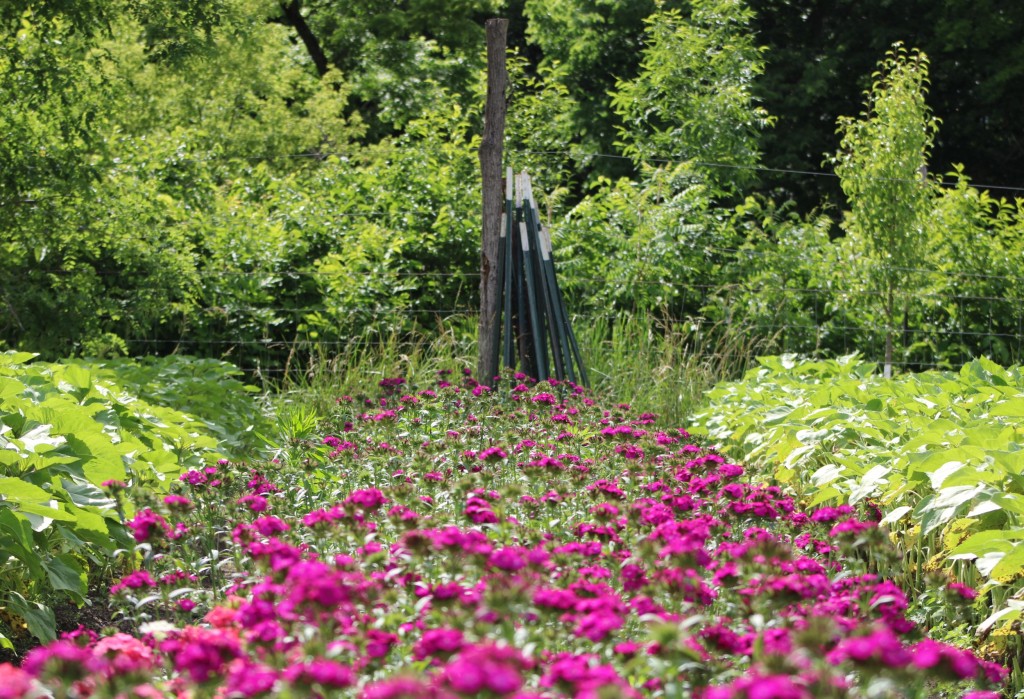
Take the right onto Flowerfield Road, keep going a little ways, follow the signs for fresh flowers, and eventually you’ll find it: Flowerfield Farmstead. Home to Nick, Cassie, Juniper, Rio — the dog — and seemingly endless flowers.
Balancing both family life and farm life in Flowerfield Township has become one of the unique challenges — and joys — of building the life the Shimps envision.
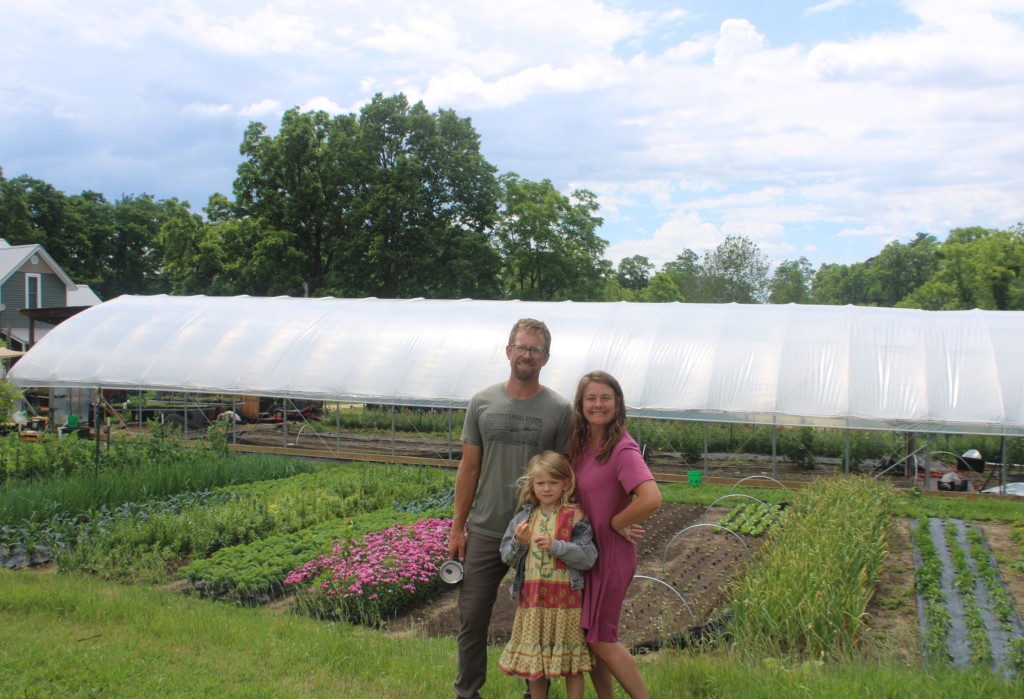
Just off U.S. 131 sits a quiet patch of land bursting with flowers, vegetables, and the kind of family life many people spend years searching for.
Take the right onto Flowerfield Road, keep going a little ways, follow the signs for fresh flowers, and eventually you’ll find it: Flowerfield Farmstead. Home to Nick, Cassie, Juniper, Rio — the dog — and seemingly endless flowers.
The family moved onto the once beaten-down property more than nine years ago and began the long process of turning land that had sat neglected for decades back into a home. The Shimps inherited plenty of work when they bought the property, but Cassie said they knew almost immediately it was exactly where they were meant to be.
“We’re like, we want this, and we hadn’t even seen the inside of the house yet, but we knew we wanted it,” Cassie told Watershed Voice, adding that even their realtor was surprised by how quickly they committed because no one had seriously wanted the property for years.
And so the journey began.
Before settling in Three Rivers, Nick and Cassie had worn all kinds of hats — world travelers, welders, nannies, and countless other jobs — but eventually found themselves wanting something slower, more intentional, and rooted in the land.
Flowers weren’t necessarily always the plan.
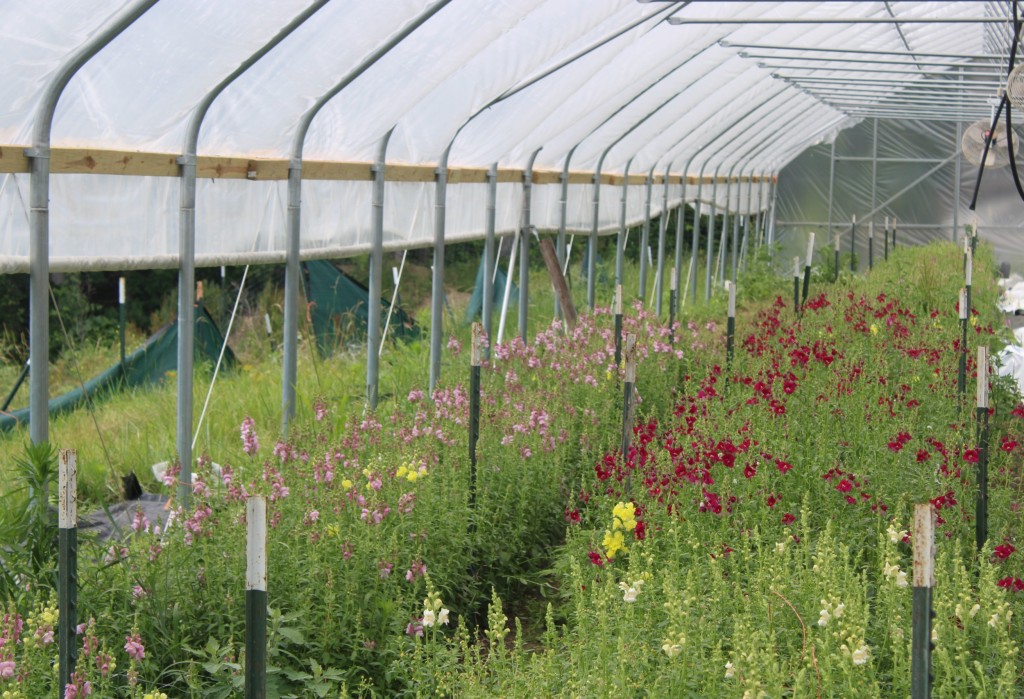
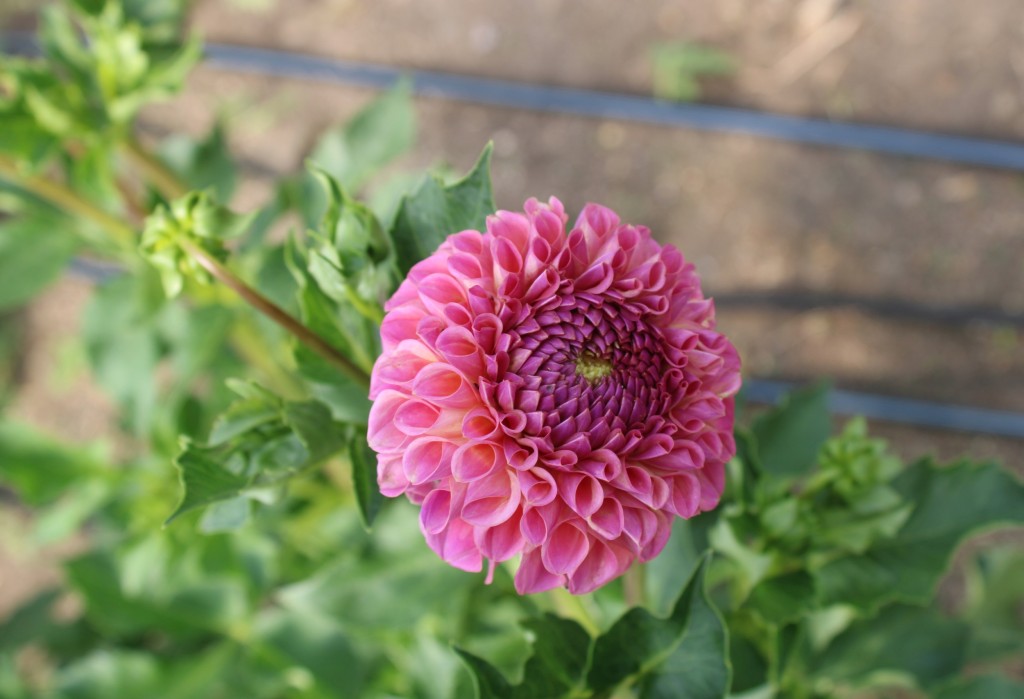
At first, the family simply wanted to homestead, grow their own food, and maybe sell vegetables on the side. But after starting their family and experimenting with selling a few sunflowers at an early market, the Shimps slowly began transforming the old mill property into what is now a thriving flower farm.
The first year, Cassie said, was pure chaos.
They had little idea what to grow, how much of it they needed or how to efficiently run a flower business.
“Starting out, we tried like every single thing — way too many things, like 60 varieties of flowers — and there’s so many nuances with each flower. It was super hard to keep up,” Cassie said.
That first overwhelming season taught them something important: growing flowers was one thing, but building a sustainable life around the farm required treating it like a real business.
“Each year we have honed this in,” Cassie said. “Because we really like having our family now, it’s important to us to come up with processes and streamline things.”
As the farm slowly grew, so did the family, and eventually the property itself began evolving alongside them.
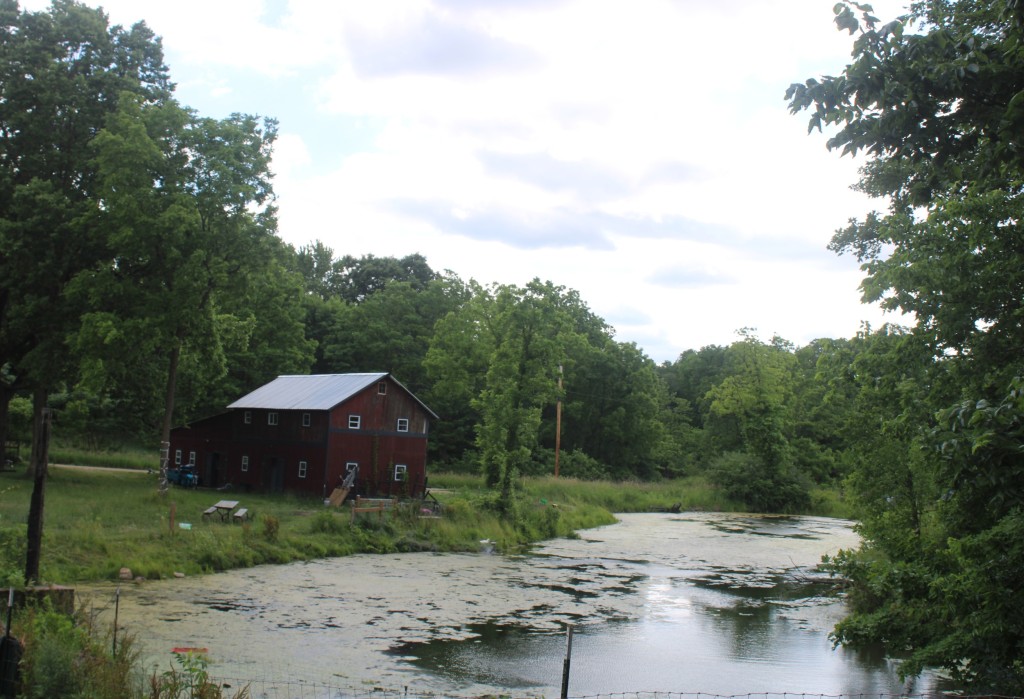
Just across the pond sits one of the clearest examples of that growth. On one side stands a children’s garden maintained by Juniper and students from Wild Roots Learning Collective. On the other sits another carefully cultivated patch of flowers, vegetables, and the beginning of the Ridge Trail — a winding path through a part of the property that Juniper takes every chance to tour visitors around.
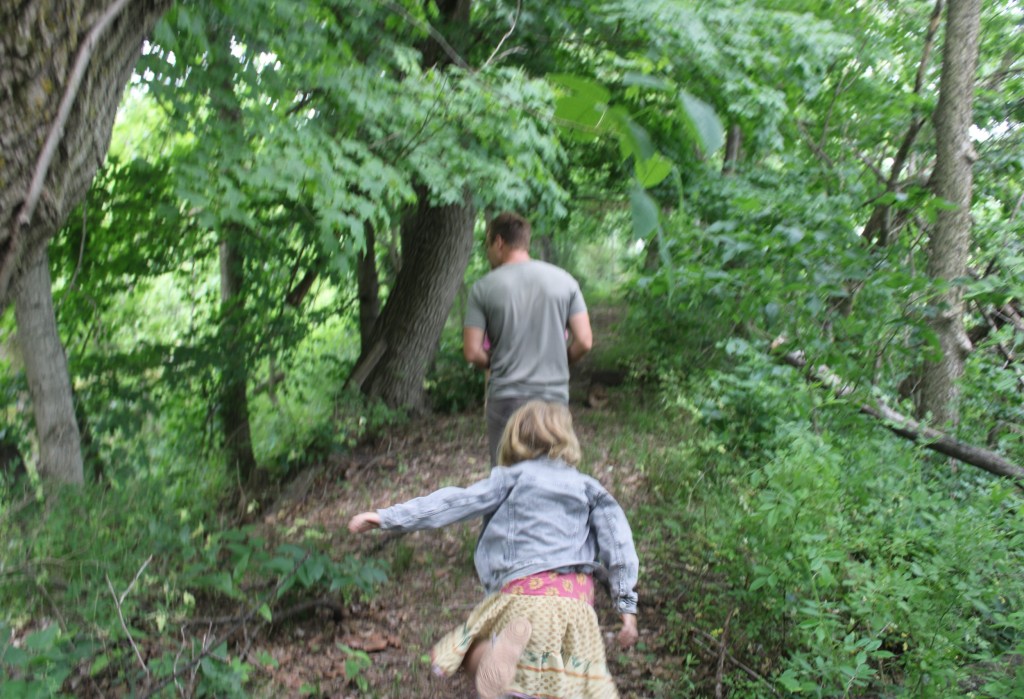
Long before Flowerfield Farmstead existed, the land housed the original Flowerfield flour mill. Visitors can still spot remnants of that history, including old concrete barriers surrounding the pond, leftovers from infrastructure once used to redirect water toward the mill.
When the Shimps first moved in, neighbors constantly shared stories about what the property once was.
Rather than erase that history, the family embraced it.
In many ways, they found themselves feeling responsible for making the land useful to the community once again.
“Since we don’t have a big open field, we’ve kind of had to carve our way, carve out little pieces,” Nick said. “We slowly added a little bit more, then slowly added the garden in the back.”
The process had been constant.
Over the years they have expanded greenhouses, dug out portions of the pond, created new growing spaces, and slowly reshaped the landscape around the farm.
But for the Shimps, the property is far more than a business, it is home.
“It is a really cool part for our kids,” Cassie said. “They love to go out there and grab some strawberries, and they know where the snap peas are.”
Balancing both family life and farm life has become one of the unique challenges — and joys — of building the life they envisioned.
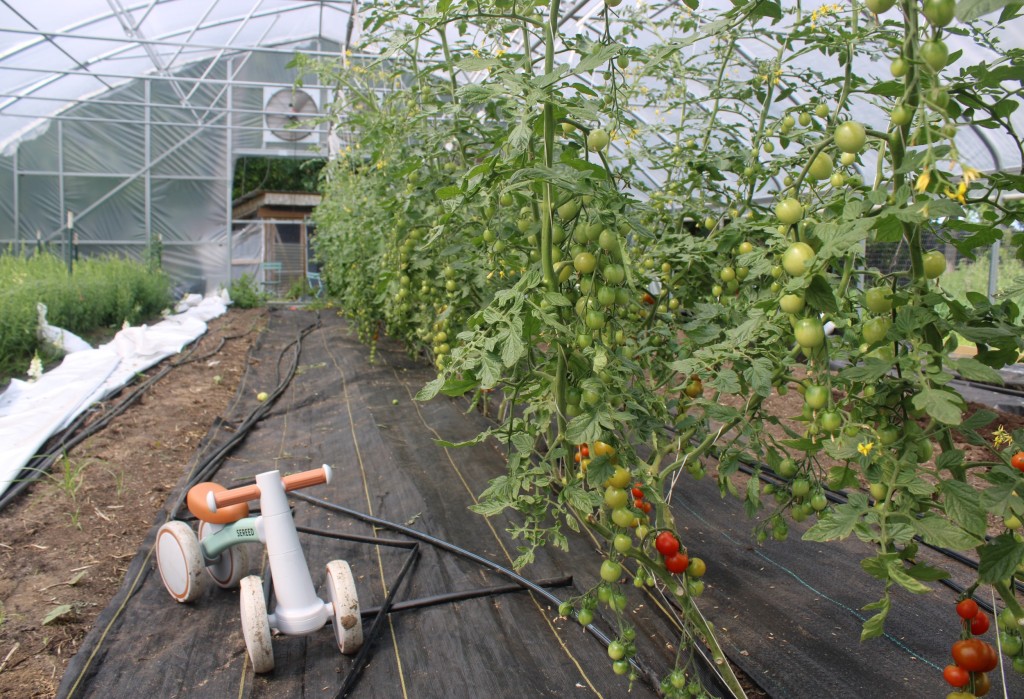
There is always more work to do, Nick said. On any given evening there are garden beds to tend, flowers to harvest, or another project waiting just outside — about 20 steps, Nick counted — the front door.
Sometimes the hardest part is learning when to stop.
“You walk by and think, ‘Oh shoot, I could work on that,’” Nick said. “Turning off from business to family… it’s all intermixed.”
Still, the closeness of it all remains one of their favorite parts.
“It’s maybe 20 steps from our front door to the greenhouse,” Nick said. “We’re home for lunch, we don’t have to travel anywhere. It’s really nice for that.”
But over time, Flowerfield Farmstead began growing into something bigger than simply flowers.
A few years after starting the farm, Cassie began experimenting with workshops — first by hosting simple flower arranging sessions on the family patio.
Eventually, demand grew.
Now the restored upstairs barn regularly hosts workshops where community members come together to make wreaths, arrange flowers, and spend time learning hands-on-skills many people rarely encounter anymore.
That side of business and its growth quickly surprised Cassie.
“When I realized people were interested in coming out and having a farm experience and getting some sort of connection to the things they see growing, it really took off and became a bigger part of our business than what I ever expected,” she said.
But those connections, more than anything else, have become central to what the Shimps are building.
Unlike large-scale agriculture operations where products disapprear into supply chains, Flowerfield allows the family to directly know the people supporting their work.
Some customers have even become close friends over the years.
“It’s kind of cool to have a small farm where you’re selling directly to the community,” Cassie said. “We’re not just shipping things off and never meeting anyone. We’ve gotten to know so many really awesome people.”
The family hopes to continue expanding not just what they grow, but what they teach.
Homesteading, preserving food, backyard vegetable gardening — skills Cassie worries are slowly disappearing.
“One thing I’d really like to do is teach more homesteading skills,” she said. “How to do a backyard veggie garden, how to can your own tomatoes, how to preserve some of the different things in your garden… some of those things are becoming a lost art.”
Perhaps the clearest sign of what Flowerfield Farmstead has become can be fond in the reactions of visitiros themselves.
People regularly arrive from nearby cities like Kalamazoo and immediately notice something the family often takes for granted: nature’s quiet.
“People come out here and they’re like, ‘It’s so quiet out here,’” Cassie said. “And I’m like, really? We’re just used to it.”
For visitors, the farm offers something simple but increasingly rare: a direct connection to where food comes from, how flowers are grown, and what family life tied closely to the land actually looks like.
For the Shimps, opening their land to others has become one of the most rewarding parts of everything they’ve built.
“I love having people out here so they can see what it’s like and experience a little bit of farm life,” Cassie said. “I love that we get to spend a lot of time with our kids, and that we are home… I love that aspect.”
And the growth is continuing as the Shimps said they recently purchased four acres nearby and will soon be announcing their plans to continue growing and teaching in southwest Michigan.
Nine years after arriving on a property few others wanted, the Shimps have quietly turned forgotten land into something deeply rooted in family, community, and connection.
And somewhere between the flowers, the workshops and the quiet that greets every visitor pulling off U.S. 131, they have managed to grow far more than a farm.
Maxwell Knauer is a staff writer for Watershed Voice.
Author

Related Articles

Tie-dyed to eternity: Remembering Pat McKenzie
Patrick “Largemouth Bass” McKenzie was a performer many described as larger than life. Whether you saw him DJing under the name “Largemouth Bass” or performing alongside Travis Wagner as the duo “Fendz,” you were left with an impression that would be difficult to forget.
He was known for his tie-dye shirts and his ability to engage a crowd. He was a beloved performer, brother, friend, and son. On September 4, 2026, McKenzie passed away peacefully in his sleep.
A play inspired by the Flint crisis is coming to Kalamazoo this October
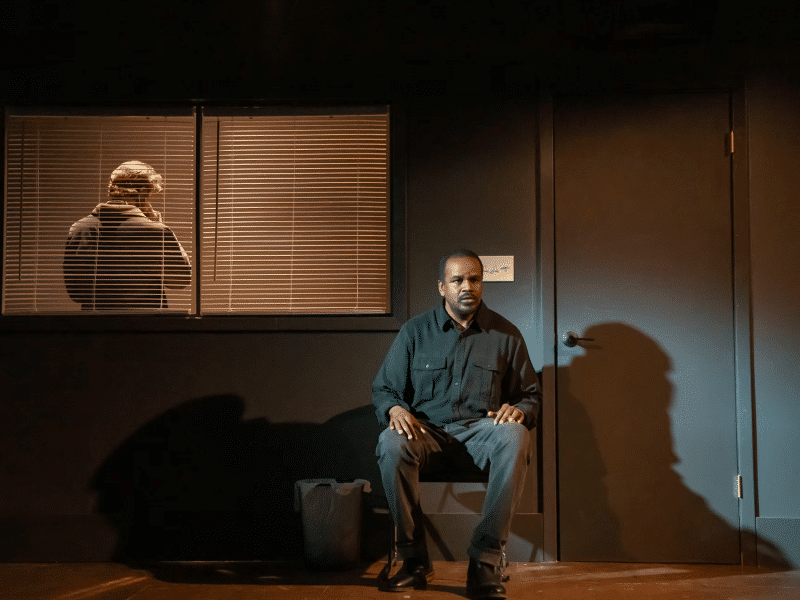
The Poisoner, a neo-noir thriller inspired by the Flint water crisis, is coming to Kalamazoo’s Judy K. Jolliffee Theatre for three performances from October 22 through October 24 as part of a seven-city national tour.
Written by first-time playwright M.M. Haney and directed and developed by two-time Obie Award-winning director Lee Sunday Evans, the fictional story follows a journalist who returns to his hometown and begins investigating a water crisis.
Listen: Good Grief. Podcast, Episode 8
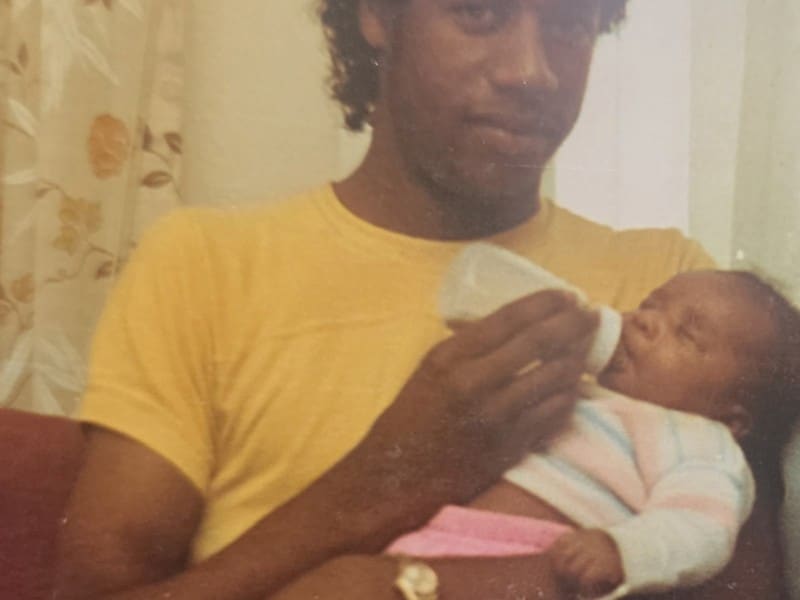
In the eighth episode of the Good Grief. Podcast, Aundrea Sayrie reflects on her late father who died just over a year ago. Aundrea writes about memories, trials, and tribulations related to her father, and how she has navigated through her grief over the past year.
