
Three Rivers commission permanently relaxes residency requirements for housing board
If the amendment had failed, the Three Rivers Housing Development Corporation board would once again be subject to the original residency requirements, making several current members ineligible to continue serving. According to the proposed bylaw language, most current board members live outside the city.
Mayor Angel Johnston began her portion of commissioners comments by going through each commissioner’s comments sharing her thoughts on them. Johnston then moved to questioning City Clerk Leslie Wilson about whether the housing board’s IRS Form 990 filings were up to date and why her FOIA asking for that information was delayed if the documents “should be available online.”
Soon after Johnston began this questioning, Commissioner Pat Dane interrupted and “called the question,” a parliamentary motion to end debate and proceed to a vote.
After the meeting, Mayor Johnston went live on her YouTube channel in a video titled, ‘Your mayor was silenced. Here’s what she wasn’t allowed to say.’ In the video, Johnston criticized the vote and argued the amended bylaws would allow nonresidents to oversee decisions involving taxpayer-funded housing projects.
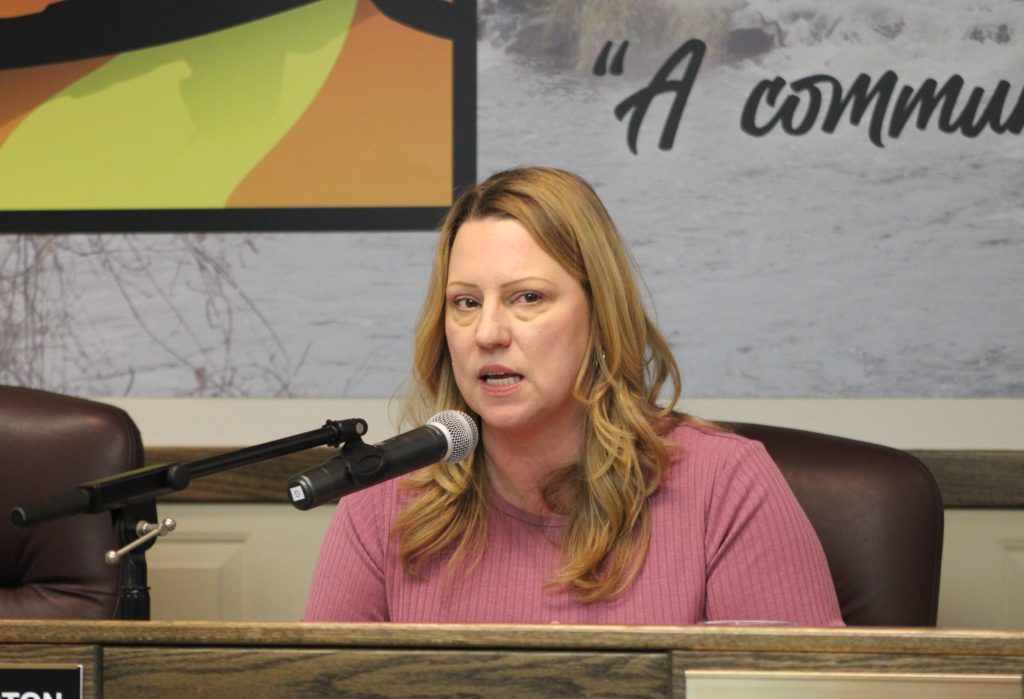
After a contentious debate, the Three Rivers City Commission voted 6-1 Tuesday to permanently adopt temporary changes made to the Three Rivers Housing Development Corporation’s (TRHDC) bylaws in 2021. The changes, which were originally approved to remain in effect for 90 days, allow more nonresidents to serve on the board.
The amendment removes a requirement that a majority of board members live within the city and instead allows nonresidents who own property, own a business or demonstrate an interest in the corporation’s mission to serve. City officials said the change would help fill vacancies and keep the board functioning.
Tempers flared throughout the discussion as commissioners and residents repeatedly interrupted one another during debate. However, it ultimately passed 6-1 with Mayor Angel Johnston as the lone dissenting vote.
Why did a housing corporation bylaw change become so contentious?
The agenda item, “Housing Corporation bylaws” was originally presented to commissioners during their last regular business meeting, on Tuesday July 7. During that meeting, Mayor Angel Johnston stated that she would not approve the changes for a number of reasons, one of which was that the Michigan State Police are actively conducting an investigation.
Johnston said she believes the Michigan State Police investigation involves actions taken by the TRHDC while operating outside its bylaws. She argued investigators will determine whether board members knowingly acted outside those bylaws.
Watershed Voice was unable to independently confirm details of the investigation before publication.
Following a lengthy discussion between Johnston and City Attorney T.J. Reed during the July 7 meeting, commissioners voted to table the proposal until July 21 to allow additional review before taking action.
Commissioners began again on Tuesday night, each sharing their opinions on the topic and whether they were in favor. A number of residents gave public comments — almost all asking the commission to vote “no” on the bylaws change — with some residents explaining why they feel there are so many vacancies on boards throughout the city.
“You go there, you spend time at these things and two people end up making decisions that aren’t even the consensus of the people that are there. It’s the consensus of the power that’s there,” said resident Doug Laiman. “You have a city manager who is primarily on every board around.”
After public comment, commissioners had their own discussion, each sharing their opinions and how they intended to vote.
Commissioner Carolyn McNary began, outlining that the problem with boards is the number of empty seats throughout the city — with 27 vacancies across city boards and commissions — and that has led to the situation commissioners were faced with Tuesday.
“I support what we have done and where we are today,” McNary said, adding her support to the bylaws change.
Commissioner Anthony Stanfill had a slightly different approach, stating that he hadn’t made up his mind how he was going to vote, however, he wanted to make sure all commissioners voted with “The People,” as he exclaimed, in mind.
Commissioner Pat Dane reiterated the support she expressed during the previous meeting, saying she believed suggestions that commissioners could face criminal charges were “ridiculous.”
Commissioner Torrey Brown stated it would be a disservice to the people who volunteered to be on the board to change the bylaws and remove them.
“If we vote no, now that board is out of compliance. We have contracts with people to serve on those boards for a determined amount of time, so now, how do we decide who we pull off of that board to get us in compliance? Someone who had decided to dedicate their time and personal finances and not receive a dime, how do we tell that person, thanks but we don’t need you anymore?”
If the amendment had failed, the board would once again be subject to the original residency requirements, making several current members ineligible to continue serving. According to the proposed bylaw language, most current board members live outside the city.
Commissioner Steven Haigh said he “doesn’t see much of a problem” with the people on the board since he views Fabius, Lockport, and “sometimes even Centreville,” as part of the City of Three Rivers.
Commissioner Lucas Allen said he welcomes any results that come from the investigation, however, is ultimately in favor of making the bylaws change permanent.
Mayor Johnston began her portion of commissioners comments by going through each commissioner’s comments sharing her thoughts on them. Johnston then moved to questioning City Clerk Leslie Wilson about whether the board’s IRS Form 990 filings were up to date and why her FOIA asking for that information was delayed if the documents “should be available online.”
Soon after Johnston began this questioning, Commissioner Dane interrupted and “called the question,” a parliamentary motion to end debate and proceed to a vote.
“I want to know if the 990s are up to date because they’re very, very important,” Johnston began
“I called the question,” Dane interrupted, reiterating she had called the question and did not want to hear further comments from Johnston.
“You just want to shut me up,” Johnston said, before saying she wanted to read minutes from the original commission meetings in 2021 that made the 90-day bylaws change during which Dane was on the commission.
“I know what I said,” Dane said, regarding Johnston’s desire to share her comments from those meeting minutes.
“Really? Because it doesn’t sound like you do, you didn’t understand it last week,” Johnston retorted.
“I don’t really appreciate your attitude,” Dane said.
“You don’t have to appreciate my attitude,” Johnston replied.
“Everybody who wants to stop me from speaking, go ahead and say Aye,” Johnston said, before commissioners voted 6-1 in favor of calling the question, Johnston being the long no-vote.
Johnston then asked Commissioner Stanfill whether he intended to vote in favor after he cast a silent voice vote.
“I just wish we could get back to some decency and some normalcy on this commission, I don’t know why everything has to turn into trying to grab each other by the throat and just bury each other with insults,” Stanfill replied, before adding he is content with his yes vote to call the question.
Commissioners then approved the bylaw amendment 6-1, with Johnston casting the lone dissenting vote.
After that vote, Commissioner Brown made a motion to adjourn the meeting which ultimately failed. Later, during commissioner comments, Brown added he felt he and his fellow commissioners were acting with emotions — specifically anger — and that decisions should not be made that way.
Commissioners continued with the rest of the agenda with little discussion.
After the meeting, Mayor Johnston went live on her YouTube channel in a video titled, ‘Your mayor was silenced. Here’s what she wasn’t allowed to say.’ In the video, Johnston criticized the vote and argued the amended bylaws would allow nonresidents to oversee decisions involving taxpayer-funded housing projects.
Maxwell Knauer is a staff writer for Watershed Voice.
Author

Related Articles
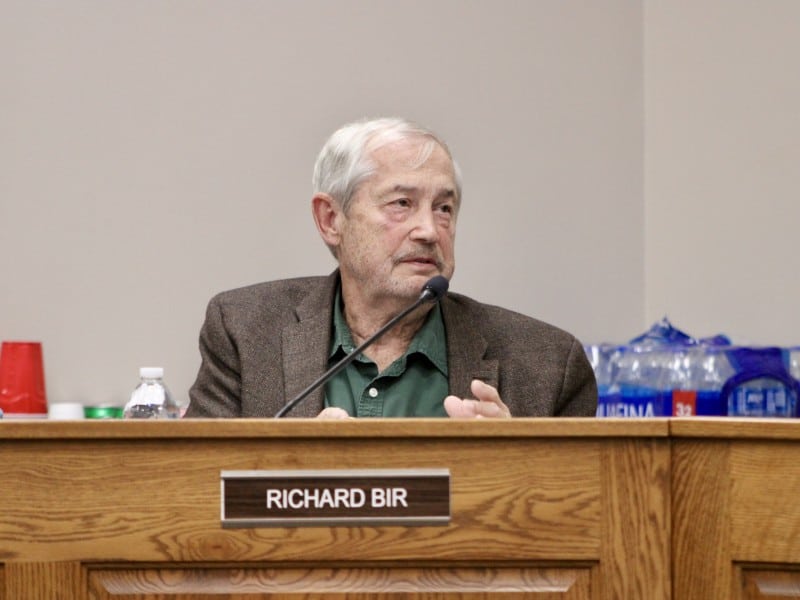
Findings of investigation into Sturgis City Commission conduct leaves key questions unanswered
After a closed session during their September 23 meeting, the Sturgis City Commission unanimously voted to release the findings of the external investigation by Miller Johnson that looked into alleged wrongdoing by commissioners. The report details the events leading up to the public controversy, the investigator’s findings, and his legal conclusions regarding the commissioners’ conduct.
This story presents the events chronologically, drawing on the investigator’s findings and the accounts of those interviewed.
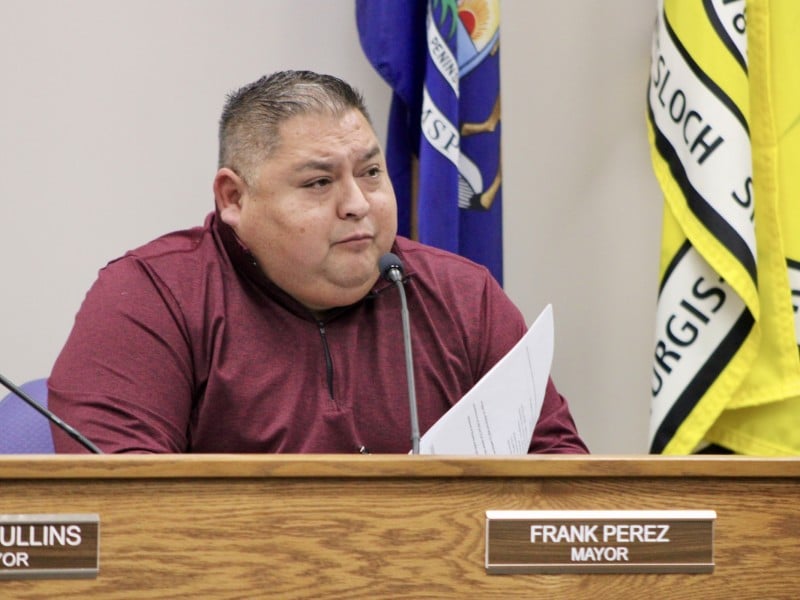
Sturgis approves release of investigation findings
The unanimous decision to release the findings came after a nearly two and a half hour closed session during which commissioners discussed the findings of the investigation, and what would be released to the public.
The decision to open an investigation came after weeks of Vice Mayor Jeff Mullins and City Commissioner Aaron Miller calling for Mayor Frank Perez to step down before attempting to remove and censure him. Mullins and Miller alleged that Perez and other commissioners contributed to an environment that led to former City Manager Andrew Kuk’s resignation.
This is a developing story and Watershed Voice will provide updates as they become available. Staff Writer Maxwell Knauer is working on securing the investigation findings and will provide coverage once he has done so.
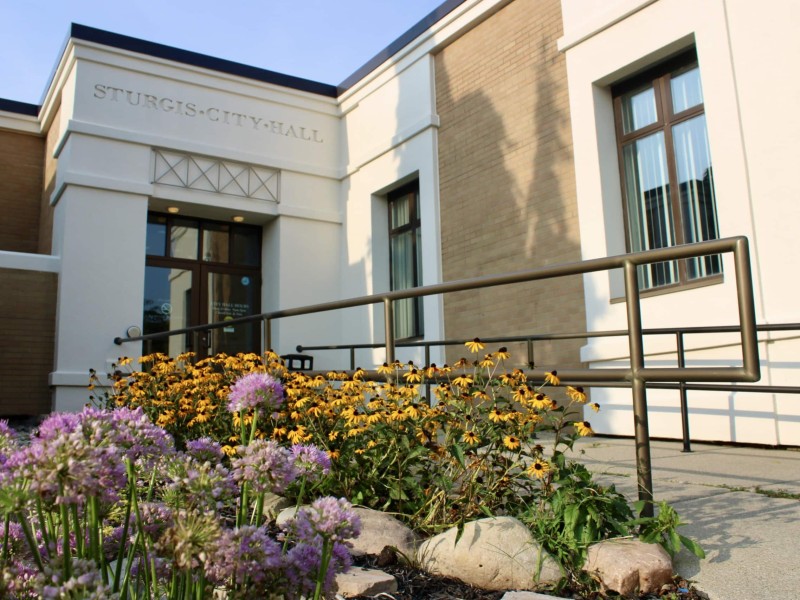
Local meeting primer: Sturgis City Commission
The Sturgis City Commission will meet Wednesday, September 23, at 6 p.m. at City Hall for a regular business meeting. Commissioners will consider a $616,000 water clarifier replacement and contingency budget, more than $512,000 in street resurfacing work, a $116,800 change order for the electric building project, and a proposed increase in the contracted hourly rate for a Forestry Field Manager.
