
Q&A: Jim Berry, Superintendent of St. Joseph County Intermediate School District
James “Jim” Berry, first-year superintendent at St. Joseph County Intermediate School District (ISD), shared his perspective on his goals for his new role and the state of education amid the AI boom. We spoke with Berry about his first few weeks in his new role, his visions for the future of ISD amid an ever-changing job market, and how he plans to give students the tools they need to succeed.
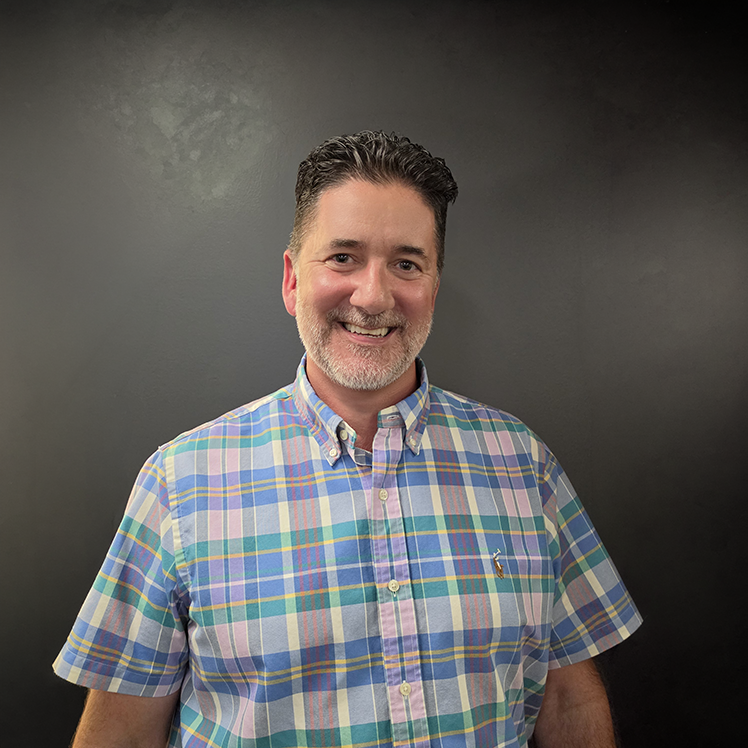
James “Jim” Berry, first-year superintendent at St. Joseph County Intermediate School District (ISD), shared his perspective on his goals for his new role and the state of education amid the AI boom. We spoke with Berry about his first few weeks in his new role, his visions for the future of ISD amid an ever-changing job market, and how he plans to give students the tools they need to succeed.
Berry steps into the role after longtime superintendent Teresa Belote announced her retirement last November. Berry previously served as ISD Director of Career and Technical Education.
Note: This interview took place electronically via email on Thursday, September 3, and was conducted by Watershed Voice Staff Writer Maxwell Knauer.
Maxwell Knauer: For readers who may not know you yet, tell us a little about yourself. What is your background, and what led you to a career in education and eventually to the superintendent’s role at the St. Joseph County ISD?
James Berry: I started at Muskegon Community College to pursue an Associate’s degree in Drafting & Design. After working at the community college as a CAD Lab Assistant, my instructor encouraged me to become a Drafting / CAD Teacher, so I went to Western Michigan University to earn a secondary teaching degree. I have spent 11 years as a high school teacher, 5 years as a high school counselor, 6 years as a high school assistant principal and the past 4 years at the ISD serving as the Director of Career and Technical Education.
MK: For families who primarily interact with their local school district, what does the St. Joseph County ISD do, and what role does it play in the education of students across the county?
JB: In short, our ISD is an educational service agency that supports all 9 local school districts with varying services such as instructional leadership, career and technical education (CTE), business services, technology, early childhood education and special education. We also run two buildings which offer direct special education programming at Pathfinder and the Young Adult Transition Center (YATC). By pooling resources at the county level, the ISD allows local districts to offer specialized programs and administrative services that would be too expensive or complex for a single district to run on its own.
MK: As you begin your first school year as superintendent, what are your biggest priorities for the ISD? What would make you look back at the end of the 2026-27 school year and consider it a successful first year?
JB: During my first year, I want to be visible across our various departments so I can better understand the great work that our staff is doing to support students and local school districts. In my 90-day plan that I submitted to our Board of Education, I highlighted several areas of focus including establishing collaborative school board relationships, listening & learning internally at the ISD and at local school districts, understanding the bigger financial landscape of our organization, further strengthening partnerships with local school districts and becoming engaged in the community. My goal a year from now is to look back and know that our organizational culture is even stronger because of the work we did together this year.
MK: You were already part of the ISD before becoming superintendent. What have you learned since stepping into this new role, and has anything about the organization or the needs of local districts surprised you?
JB: No big surprises, but adjusting to the scale of an organization with nearly 250 employees has been an exciting transition. From our special education department to our technology consortium and business services, the depth of expertise here is remarkable. What has stood out most is the dedication, from our department directors to our local superintendents. I’ve also been fortunate to work with a committed Board of Education with a student-centered mindset. Having long-standing leaders like Board President Liz O’Dell, who recently earned the MASB Master Diamond Award after 30-plus years of service at our ISD, sets an incredible standard for all of us.
MK: What is enrollment looking like across St. Joseph County and within ISD programs this school year? Are there particular programs where you’re seeing significant growth, declining enrollment, or changing demand?
JB: It’s difficult to predict exact enrollment until Michigan’s official fall student Count Day on October 7. I can tell you that last school year’s countywide count was slightly over 9,700 students, down approximately 2.5% from the previous year; but overall, numbers look fairly stable heading into this fall. We also continue to see strong demand for our career and technical education (CTE) programs across the county. Nearly 50% of all county juniors and seniors are taking a CTE class.
MK: You previously led the ISD’s Career and Technical Education programs. As artificial intelligence, automation, and other technologies change the workplace, how do you see the role of CTE changing? What skills and opportunities will students in St. Joseph County need to be prepared for the workforce they will enter?
JB: Technology has certainly transformed the landscape of our CTE classrooms. Ultimately, our goal is to ensure students graduate with the adaptable skills and credentials needed for high-demand, high-wage careers right here in our community. We rely heavily on our business and industry partners to guide our curriculum, and we work closely with Michigan Works! Southwest to stay ahead of shifting regional employment trends.
MK: What are the biggest challenges facing students and schools in St. Joseph County right now, and where can the ISD have the greatest impact in addressing them?
JB: Early childhood literacy is a concern that comes to mind not only in St. Joseph County but across our state as Michigan has persistently placed near the bottom of national fourth-grade reading rankings. Our ISD Instructional Leadership Department has early literacy coaches that work with our local districts to provide resources, engage families, and implement Public Act 146’s Science of Reading standards.
MK: Under former Superintendent Teresa Belote, the ISD expanded areas including CTE and mental health services. As you take over, what parts of that work do you want to build on, and are there areas where you see an opportunity to take the ISD in a different direction?
JB: We are proud of the strong foundation built through our regional CTE programming and expanding mental health efforts, and we remain fully committed to sustaining that momentum for our students. Moving forward, our strategic focus must expand to prioritize aggressive recruitment for educators and administrators, while intensifying our support to drive county-wide early literacy growth. I will add that our countywide CTE millage has been instrumental in helping our students to engage in a variety of career pathways, and we greatly appreciate the support from our stakeholders.
MK: As artificial intelligence becomes more common in schools, how should educators balance using it as a learning tool with concerns about things like academic integrity, student privacy, and students becoming over reliant on the technology? What role does the ISD have in helping districts strike that balance?
JB: Most professional conferences I attend now have breakout sessions related to AI, so we’re continually adapting and learning best practices on how to incorporate with students. To balance the vast potential of AI with valid concerns around integrity and privacy, we have to treat AI the same way we treated past technological shifts, not by banning it, but by setting clear conditions and expectations for its use. Our ISD is addressing AI from an education lens with a monthly “Generative AI Community of Practice” meeting, which includes the following participants: Principals, superintendents, tech directors, instructional coaches, autism consultant, Behavioral Health Coordinator, and ISD/REMC partners from Three Rivers, Mendon, Constantine, Centreville, Sturgis, and surrounding districts.
Maxwell Knauer is a staff writer for Watershed Voice.
Author

Related Articles
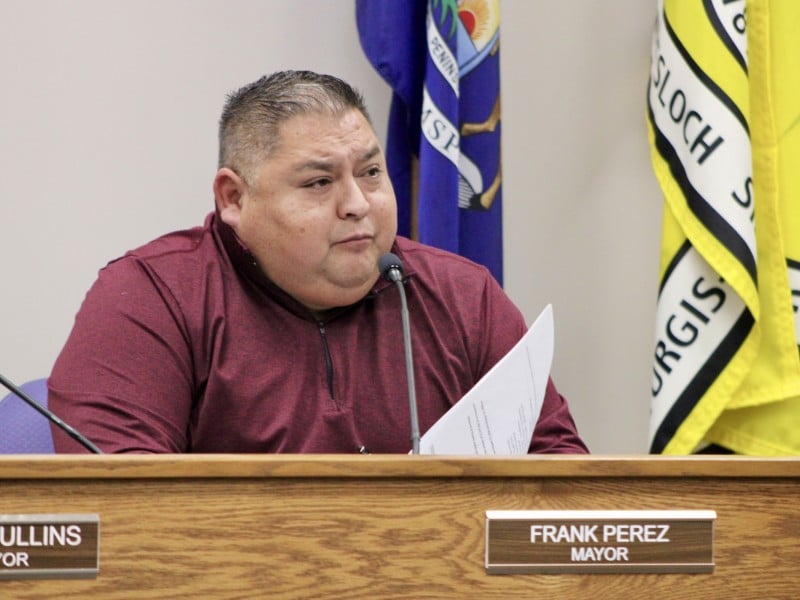
Aaron Miller calls for Frank Perez to resign, concede November election
Sturgis City Commissioner Aaron Miller says “there can be no coincidence” between the reported actions of Mayor Frank Perez, and the resignation of former City Manager Andrew Kuk.
“I have watched a long history of commissioner mistreatment of Mr. Kuk that culminated in these events,” Miller told Watershed Voice. “It has not just been this one event. His resignation was announced on the same night that the details of the secret meeting all spilled out before the entire commission, shortly after Mr. Kuk learned about the various details as well. There can be no coincidence.”
See ‘A Better World A Comin,’ Woody Guthrie tribute at the Riviera this month
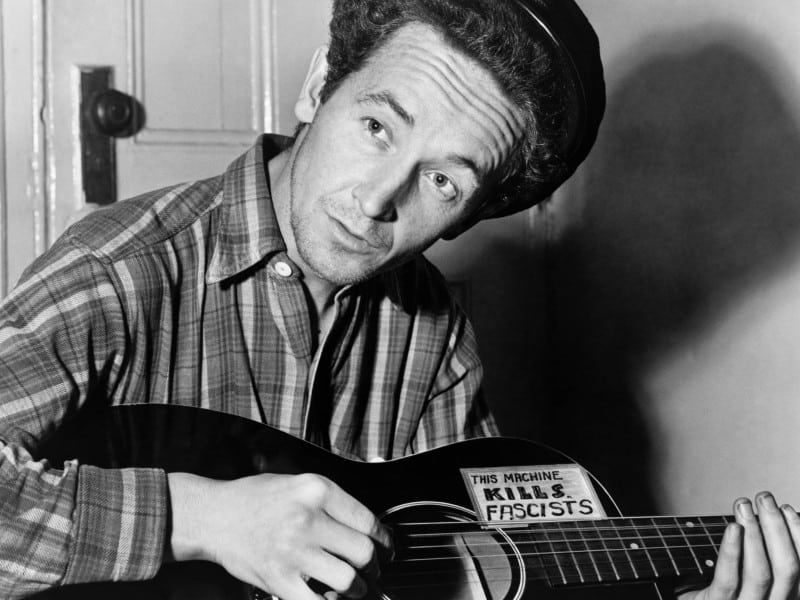
A group of local musicians will present an evening of music by Woody Guthrie at the Riviera Theatre and Bar in Three Rivers on Saturday, October 24 at 7:30 p.m. Proceeds will benefit The Huss Project, a community center owned and operated by Three Rivers nonprofit *culture is not optional.

Watershed Voice sends out candidate questionnaires for November election
The November election is quickly approaching with just over three weeks before Election Day on Tuesday, November 3.
In preparation, Watershed Voice sent out questionnaires to candidates in local and statewide races. Although some local elections are uncontested, those candidates also received questionnaires.
