
Candidate questionnaire: Jonathan Lindsey
Jonathan Lindsey, incumbent State Senate District 17 candidate filled out our questionnaire, here are his answers.

The following is Watershed Voice’s candidate questionnaire for the November 2026 local elections. We will be running all remaining candidate questionnaires in the order received today.
Jonathan Lindsey, State Senate District 17 candidate filled out our questionnaire, below are his answers as submitted. Lindsey is an incumbent running against challenger Ashleigh Baker.
Name: Jonathan Lindsey
Age: 41
Are you an incumbent? Incumbent
Family (optional): I have been married to my wife, Allison, for 11 years and together, we have three children.
Background/bio
The candidate did not submit a response to this question.
Why did you decide to run for this position, and what do you hope to accomplish if elected?
I first ran for office because Michigan is being left behind, young people are looking to other states for opportunity, and rising costs are creating hardships across the state. I ran to leave this state in a better position so my children will look at their home state and know this is a place they belong and with rich opportunity.
What professional, personal, volunteer or public-service experience has prepared you to serve in this role?
I served in the U.S. Army Special Forces abroad to defend my country and I bring that discipline and love for our way of life to every challenge I face. I care deeply for the well-being of our state and after leaving the Army, I led international efforts to reduce tobacco harm. I have a passion for service and giving back.
How will you engage with and remain accessible to constituents while serving in office? What specific steps will you take to hear from residents throughout the district?
Accessible and available government leaders are a hallmark of the nation. We live in a citizen-led democracy where we elect community members to represent our interests and that trust is of the utmost importance to me. I hold regular meetings in the district where anyone can show-up to share their thoughts on our government and request assistance with the issues affecting them. When I am contacted by constituents, I listen and respond to their concerns to promote government transparency.
What are the three most important issues facing the people you are seeking represent that fall within the responsibilities of this office? What would you do to address each?
Affordability, job opportunities, and individual liberties. Costs are rising everywhere and where I hear it most affecting people is the rising cost of healthcare. I will work to pass comprehensive medical price transparency measures which is a foundational policy to drive down medical costs while also improving outcomes. Michigan loses job opportunities and economic growth to other states with lower tax and regulatory burdens. I will scrutinize the laws that cost us opportunities to attract new job opportunities for the people. Our individual liberties are under constant threat of curtailing and we in the United States are the freest nation in the developed world. We cannot and must not sacrifice our individual liberties for momentary convenience.
What do you do for work, and how do you spend your time outside of work and public service?
Serving the constituents of the 17th District is my only job. Outside of work, I spend most of my time with my wife, Allison, and our young children.
What role do you believe government – at the level you are seeking to serve – should play in people’s lives? How would that philosophy influence your decisions in office?
The government should play a limited role in people’s lives, whether that be permission to build a home, or assessing property value for taxes. A limited government that protects the rights of its citizens is ideal and I will work to constrain its growth beyond that.
What is your position on the continued development of data centers and related infrastructure? What role, if any, should the level of government you are seeking to service play in regulating, incentivizing, or otherwise overseeing their development?
Data centers present new technological opportunities, but also bring great risk. People are right to be concerned. These businesses certainly should not receive the immense tax breaks and special treatment that they do. I would support eliminating data centers’ tax subsidies so they are paying their fair share and I would support new laws that protect the people from potential harm from data center development.
What is one government program, service, or system within the jurisdiction of the office you are seeking that you believe is failing to adequately serve residents? What specifically would you change about it?
The Department of Environment, Great Lakes, and Energy (EGLE) has a tremendous ability to affect Michigan agriculture, driving up the cost of our food and adversely affecting Michigan farmers. The government must be guided by its service to the people and citizens should walk away with the same attention that they have elsewhere. The government is not in competition with another entity and there is minimal incentive to eliminate inefficiencies and improve customer experience. EGLE is one of the most glaring departments that affects Michiganders. It could and should have a tremendously positive impact by keeping its focus on real conservation of our great state’s environment, but too often it is instead a harassment agency that focuses on punishing residents with no real benefit.
Describe a personal experience you’ve had with government – positive or negative – that shaped how you think public institutions should service people?
I have lived in five different states and worked in many others, mostly through military service. When my family and I returned to Michigan it became abundantly clear how much worse our state’s policies are and why so many people move to other states. From our tax and regulatory framework that punishes individuals and businesses alike to our constant overreach by state and even local authorities, most directly during COVID, I have seen how badly Michigan needs reform.
How would you approach working with lawmakers you strongly disagree with? Are there issues on which you would be willing to compromise, and issues on which you would not?
The Legislature is a collaborative environment and to enact change, one must build relationships and trust with those with disparate opinions. There is commonality to be struck and shared goals regardless of partisan lean. I strive to identify those opportunities to build relationships to lead to change. It is how I passed comprehensive medical pricing transparency and medical debt legislation through the Senate. While there are issues I will not compromise on, such as the right to life and right to self protection, there are countless issues in the legislative ecosystem where one must learn and weigh to best serve the people.
Related Articles

Candidate questionnaire: Aaron Miller
Aaron Miller, Sturgis At-Large Commissioner candidate filled out our questionnaire, here are his answers.
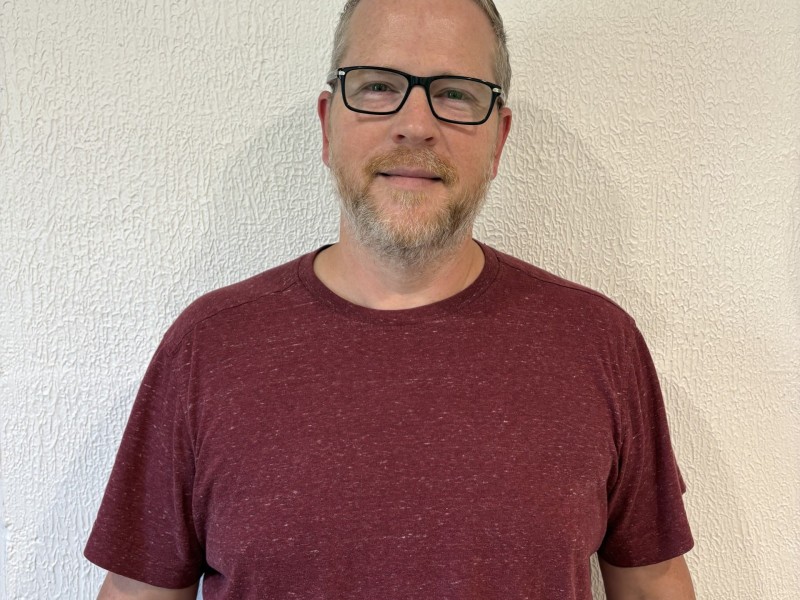
Candidate questionnaire: Justin Wickey
Justin Wickey, Sturgis Second Precinct Commissioner candidate filled out our questionnaire, here are his answers.
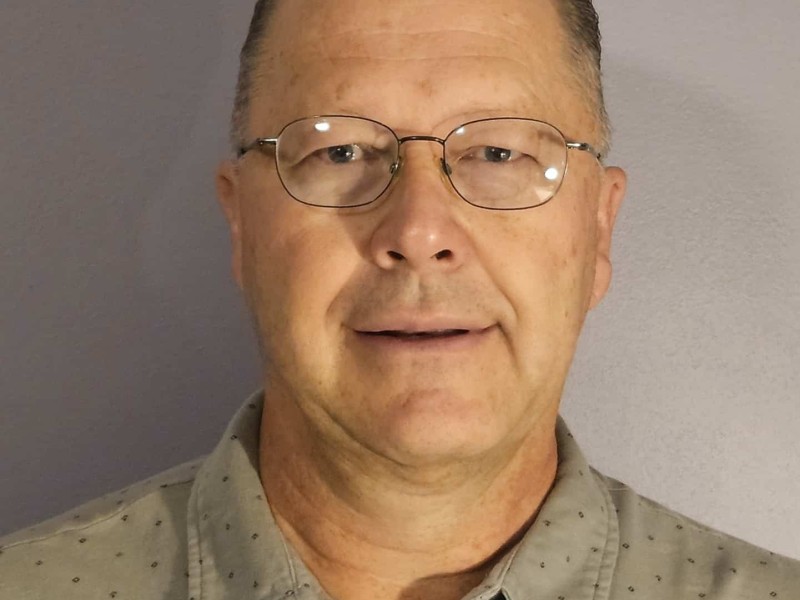
Candidate questionnaire: Barry Cox
Barry Cox, Sturgis First Precinct Commissioner candidate filled out our questionnaire, here are his answers.
