
Sturgis to end Flock contract due to budget constraints
The city decided not to renew its Flock contract because of budget constraints for the 2027 fiscal year. During the program’s first three years, community partnerships with local businesses funded the cameras. The cameras were initially installed in phases in 2023.
The cameras will be removed by a contractor as their schedule permits, Sturgis Department of Public Safety Director Ryan Banaszak said in an email.
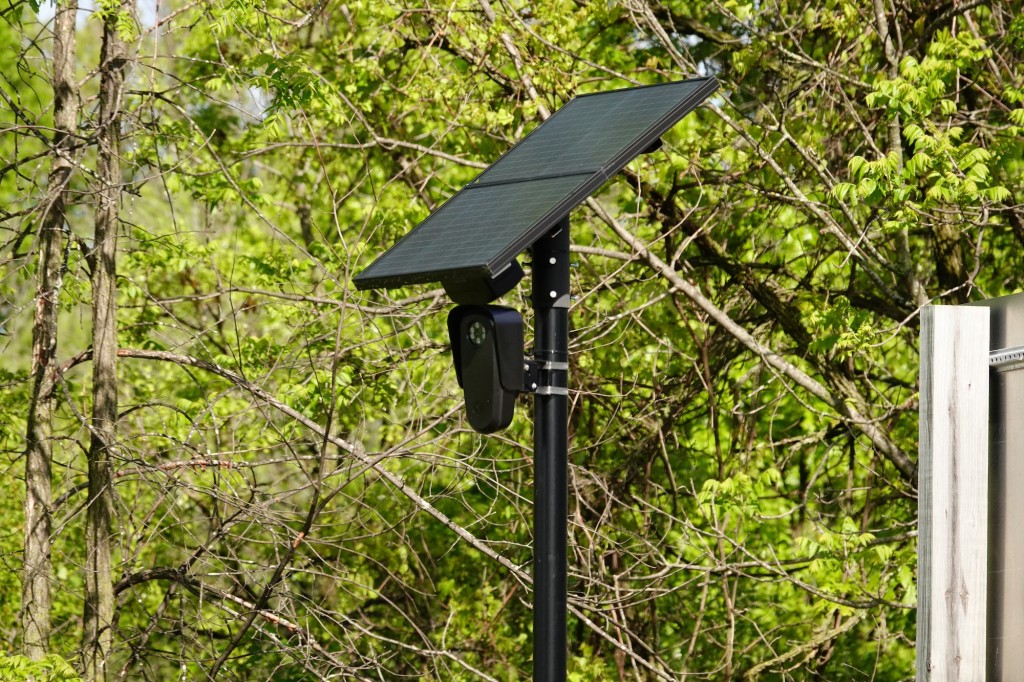
Beginning December 31, 2026, the Sturgis Department of Public Safety will stop using Flock automatic license plate reader (ALPR) cameras. The city currently operates six Flock ALPR cameras to assist with criminal investigations. The six cameras cost the city about $18,000 annually, Sturgis Department of Public Safety (SDPS) Director Ryan Banaszak told Watershed Voice.
The city decided not to renew its Flock contract because of budget constraints for the 2027 fiscal year. During the program’s first three years, community partnerships with local businesses funded the cameras. The cameras were initially installed in phases in 2023.
The cameras will be removed by a contractor as their schedule permits, Banaszak said in an email.
“Due to budget constraints, and to protect other essential city services and programs, I made the decision not to renew the contract for 2027. I believe Flock cameras are an important tool for law enforcement, and I hope to reinstate the program in the future as the city’s financial position allows.”
The cameras have drawn criticism from civil liberties groups over privacy concerns. The American Civil Liberties Union has argued that expanding ALPR networks could create a nationwide surveillance system. The advocacy group DeFlock maintains an online map tracking Flock camera locations across the country and encourages local governments to remove the cameras. DeFlock members have spoken at city council and commission meetings nationwide, including a Kalamazoo City Commission meeting in September 2025. Critics have also pointed to a 2023 investigation by 404 Media, which found that a Texas police officer searched Flock’s nationwide ALPR network during an investigation into a woman authorities alleged had a self-managed abortion, as an example of ways the technology can be misused.
Local law enforcement agencies in Southwest Michigan say the cameras have helped solve crimes and recover stolen vehicles.
“Flock cameras are a vital tool for law enforcement during investigations of all types. To date, they have played a critical role in solving a range of serious crimes, including a double homicide, robberies, and organized theft rings, as well as recovering numerous stolen vehicles and helping locate individuals wanted on active arrest warrants,” Banaszak wrote. “Investigators and officers rely on this technology on a daily basis.”
The Three Rivers Police Department currently operates seven cameras throughout the city, costing a total of about $21,000 per year.
What are Flock cameras?
Flock cameras use automated ALPR technology to capture images of passing vehicles and process vehicle information using artificial intelligence before storing it in a cloud database.
The cameras photograph passing vehicles and use machine learning to identify a vehicle’s license plate, state, make, model, color, and distinguishing features, such as stickers or dents.
The system compares license plates against databases of stolen or wanted vehicles and alerts law enforcement when it finds a match.
Maxwell Knauer is a staff writer for Watershed Voice.
Author

Related Articles
Early voting begins July 25; Watershed Voice candidate questionnaire update
Early voting begins Saturday, July 25, and continues through Sunday, August 2. Hours may vary depending on your municipality and voting location, so check with your county clerk before finalizing your plans.
In St. Joseph County, voters may cast an early ballot at the St. Joseph County Training Center, 602 E. Main St., Centreville.
On weekdays during the early voting timeframe, the center will be open to voters from 7 a.m. to 6 p.m. and on weekends, the center will be open from 9 a.m. to 5 p.m.. Any eligible St. Joseph County voters will be able to vote at this location during those times, regardless of where they live in the county.
Three Rivers commission permanently relaxes residency requirements for housing board
If the amendment had failed, the Three Rivers Housing Development Corporation board would once again be subject to the original residency requirements, making several current members ineligible to continue serving. According to the proposed bylaw language, most current board members live outside the city.
Mayor Angel Johnston began her portion of commissioners comments by going through each commissioner’s comments sharing her thoughts on them. Johnston then moved to questioning City Clerk Leslie Wilson about whether the housing board’s IRS Form 990 filings were up to date and why her FOIA asking for that information was delayed if the documents “should be available online.”
Soon after Johnston began this questioning, Commissioner Pat Dane interrupted and “called the question,” a parliamentary motion to end debate and proceed to a vote.
After the meeting, Mayor Johnston went live on her YouTube channel in a video titled, ‘Your mayor was silenced. Here’s what she wasn’t allowed to say.’ In the video, Johnston criticized the vote and argued the amended bylaws would allow nonresidents to oversee decisions involving taxpayer-funded housing projects.

After months of turmoil, Andrew Kuk says goodbye to Sturgis City Commission
Vice Mayor Jeff Mullins and Commissioner Aaron Miller have argued Kuk’s resignation is directly tied to an environment created by Mayor Frank Perez and several other commissioners. Perez has denied wrongdoing, and specific allegations have not been publicly disclosed because commissioners and the city attorney have said they stem from confidential closed-session discussions.
Several commissioners used their closing comments Wednesday to thank Kuk for his service.
Miller said Kuk deserved to retire from the position rather than leave under the current circumstances.
“There really are no adequate words,” Miller said. “I’ve always appreciated just how high your character is and just how good of a job you do and how thorough you are and how knowledgeable you are.
“This has not been your city your entire life, but you have given to it as if it was.”
