
In case you missed it: Three Rivers draws one step closer to live-streaming its meetings
Commissioners approved a recommendation to allocate up to $4,000 towards the equipment and went with the second option provided: MSPoT/PTZOptics Move SE for $3,607. The quoted total cost includes the setup, training, live-streaming interface, and the equipment which includes a PTZ camera. Also included is five push-to-talk mic stands, however, commissioners decided to wait on that decision as they worry having to push to talk could make fluid conversation at the dais difficult.
Although commissioners approved the second equipment option, they decided to continue using their existing microphones for the time being.
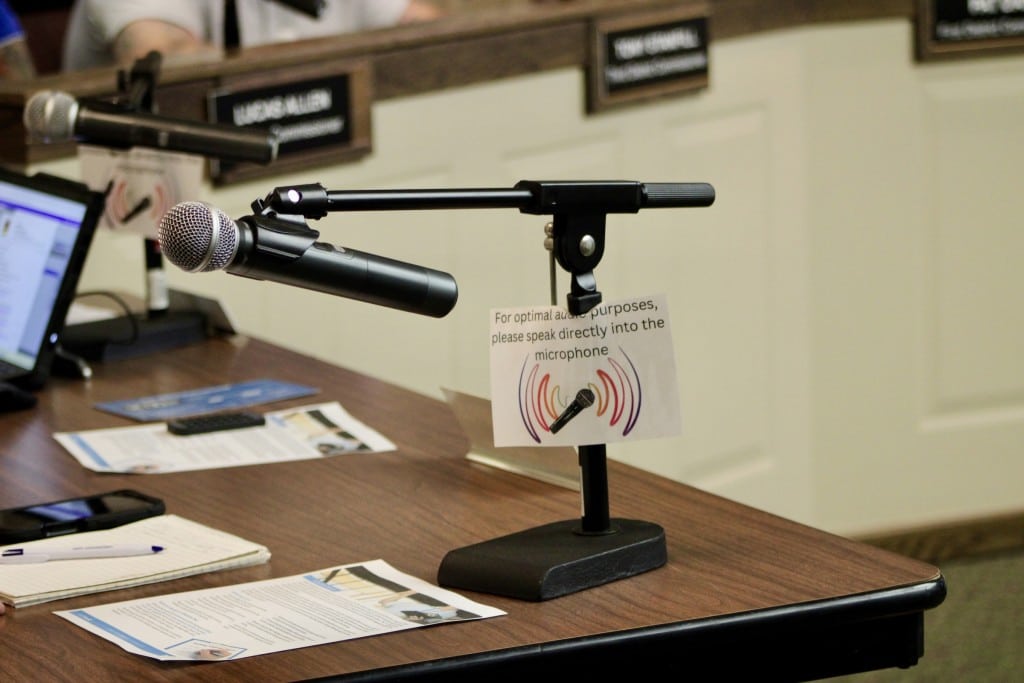
During last Tuesday’s Three Rivers City Commission, commissioners unanimously approved the next steps for the city to begin live-streaming their meetings again. Later in the meeting, longtime City Manager Joe Bippus announced his retirement, effective January 14, 2027.
In what has been a months-long process, commissioners reviewed live-streaming equipment options for the second time. During their September 1 meeting, commissioners unanimously rejected a proposal to purchase a Meeting Owl Pro 5 camera and supplemental equipment for up to $5,000. Instead, they agreed to revisit the issue after consulting with audiovisual professional Austin Kane, who offered his services to the city free of charge.
Commissioners approved a recommendation to allocate up to $4,000 towards the equipment and went with the second option provided: MSPoT/PTZOptics Move SE for $3,607. The quoted total cost includes the setup, training, live-streaming interface, and the equipment which includes a PTZ camera. Also included is five push-to-talk mic stands, however, commissioners decided to wait on that decision as they worry having to push to talk could make fluid conversation at the dais difficult.
Although commissioners approved the second equipment option, they decided to continue using their existing microphones for the time being.
Wastewater Treatment Plant Superintendent Taylor Davis, who also runs the soundboard during meetings, explained that the push-to-talk microphones were recommended because some commissioners lean back or fail to speak directly into their microphones, making it difficult for viewers to hear them. Davis said requiring commissioners to press a button before speaking could encourage them to be more conscious of how they use their microphones, and help prevent commissioners from speaking over one another.
“If you have to push to talk, it’s going to make you conscious to press that button, speak into the mic,” Davis said. “Then if you guys ever have, let’s say, discussions, nobody’s going to be talking over each other right away.”
The process began on June 16 when commissioners directed Bippus to look into live-streaming meetings again and come back with options for commissioners to consider. Commissioners have now made the first financial commitments to the livestream.
Residents applauded commissioners for the decision saying it’ll allow them and their family members to stay engaged.
“I know that my mom will be tuning in. I know I will be tuning in when I can’t. I can’t drive at night, so with the sun going down, it’ll make it impossible for me to get here,” resident Lynn McLeod said. “Seriously, thank you for considering this. I think it brings a lot of credibility to the commission, both transparency-wise And both in an ADA capacity too — that you’re sensitive to the community’s need.”
Maxwell Knauer is a staff writer for Watershed Voice.
Author

Related Articles
Local meeting primer: Sturgis City Commission
The Sturgis City Commission will meet this Wednesday, October 14 at 6 p.m. for a regular business meeting. This will be commissioners’ first meeting since the results of the internal investigation were released, and Monday’s statements from Commissioner Aaron Miller again calling for Mayor Frank Perez’s resignation. While there are no agenda or discussion items related to the results, commissioners will likely discuss it during commissioner comments.
For regular business, commissioners will consider a number of vehicle and project plans, a diesel fuel purchase, and set the meeting date for their first procedural meeting after the November election.
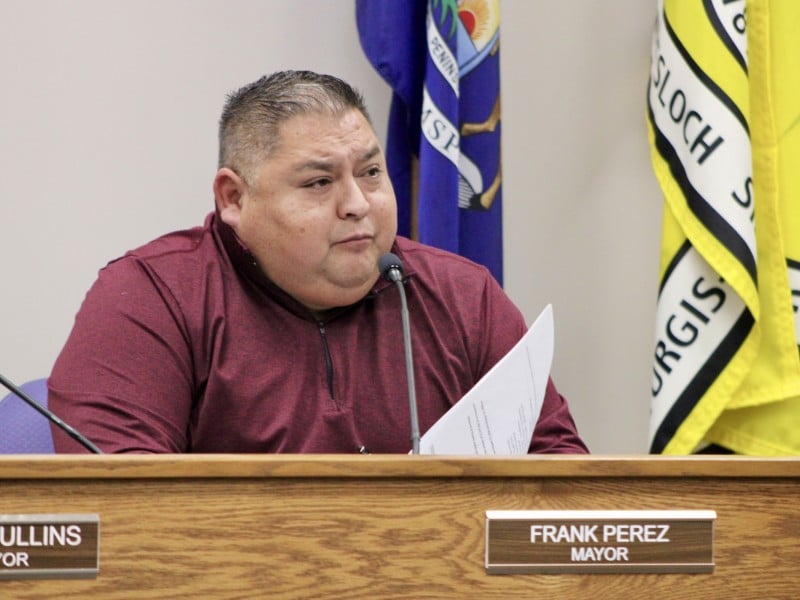
Aaron Miller calls for Frank Perez to resign, concede November election
Sturgis City Commissioner Aaron Miller says “there can be no coincidence” between the reported actions of Mayor Frank Perez, and the resignation of former City Manager Andrew Kuk.
“I have watched a long history of commissioner mistreatment of Mr. Kuk that culminated in these events,” Miller told Watershed Voice. “It has not just been this one event. His resignation was announced on the same night that the details of the secret meeting all spilled out before the entire commission, shortly after Mr. Kuk learned about the various details as well. There can be no coincidence.”

Watershed Voice sends out candidate questionnaires for November election
The November election is quickly approaching with just over three weeks before Election Day on Tuesday, November 3.
In preparation, Watershed Voice sent out questionnaires to candidates in local and statewide races. Although some local elections are uncontested, those candidates also received questionnaires.
