
Exploring Michigan’s environmental future: Insights from the Northern Michigan Environmental Conference
Watershed’s staff reporter Najifa Farhat attended the two-day conference held in Marquette, Michigan, to better understand issues facing rural communities and the State of Michigan at-large.
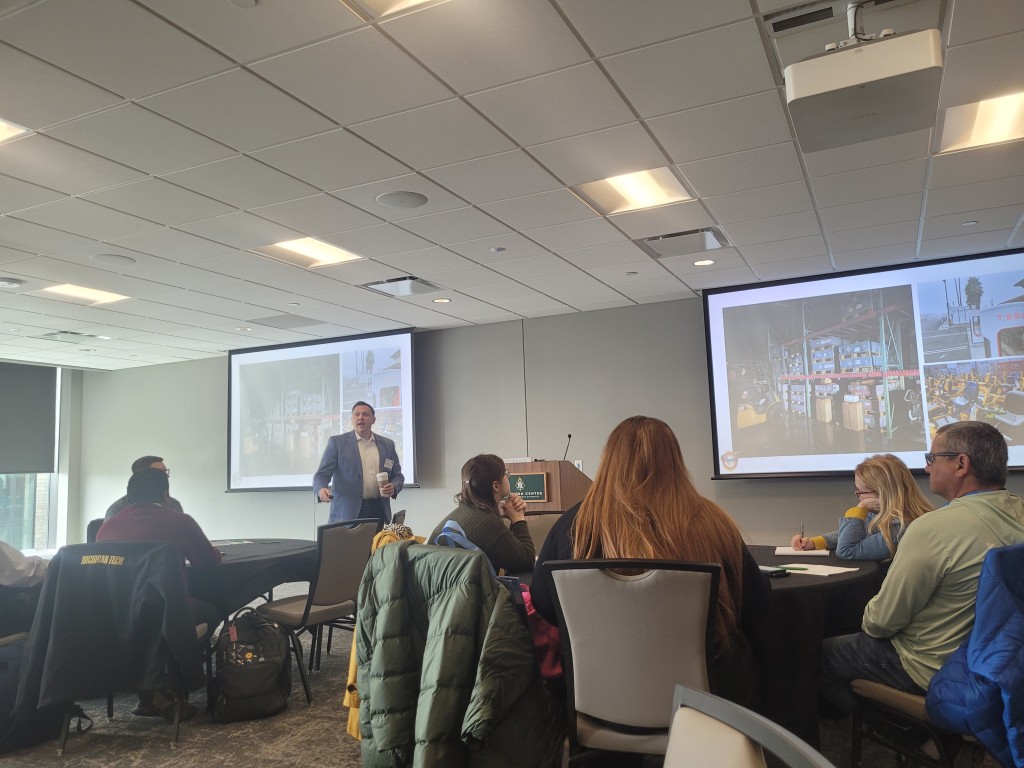
Environmental professionals, government officials, and industry leaders gathered last week in Marquette for the Northern Michigan Environmental Conference, a two-day event dedicated to tackling some of the region’s most pressing environmental issues. Hosted by the Michigan Department of Environment, Great Lakes, and Energy (EGLE), the conference featured expert-led discussions on water resource protection, climate policy, and renewable energy initiatives.
The opening day focused on four tracks of presentations covering regulatory processes, emergency response, and sustainable resource management. EGLE specialists led sessions on permitting processes, offering insights into navigating environmental regulations that impact industries such as construction and real estate.
One of the most attended sessions covered environmental emergency response, where officials detailed how Michigan handles chemical spills and other ecological disasters. Case studies of past incidents underscored the importance of rapid coordination between agencies to minimize environmental damage.
Water quality was also a major theme, with discussions on drinking water well installation and septic replacement loan programs. Speakers emphasized the critical need for funding to help rural homeowners replace outdated septic systems, preventing groundwater contamination.
In addition, air quality experts highlighted Michigan’s ongoing efforts to reduce pollution through stricter emissions standards and enhanced monitoring programs. The materials management session introduced new strategies for waste reduction, including an expanded focus on recycling and landfill diversion efforts.
The second day of the conference provided specialized workshops catering to professionals in fields such as energy, water management, and petroleum storage. Attendees participated in hands-on training sessions, gaining practical knowledge to bring back to their workplaces.
I attended the Climate and Energy Workshop which attracted sustainability advocates eager to learn about Michigan’s climate action strategies. Discussions included updates on the state’s transition to renewable energy and the economic opportunities tied to clean energy initiatives.
Beyond the scheduled sessions, the conference served as a hub for networking, fostering collaboration between public officials, private sector leaders, and environmental advocates. Conversations about Brownfield redevelopment, air pollution control, and climate resilience highlighted the interconnectedness of environmental challenges and the need for coordinated action.
As Michigan grapples with climate change, water quality, and air pollution, conferences like this provide valuable insight into the state’s most pressing environmental challenges. As an outsider, the event offered me a comprehensive understanding of these issues, which I hope to apply in my work at Watershed to produce meaningful stories for our audience.
Najifa Farhat is a staff reporter for Watershed Voice.
Author

Related Articles
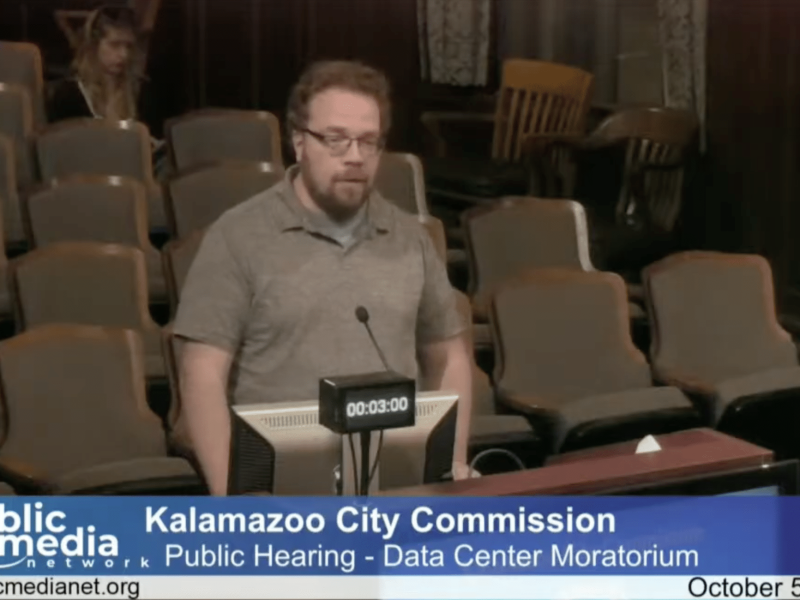
Kalamazoo officially has a data center moratorium
The moratorium, which lasts until October 5, 2027, includes data centers, battery energy storage systems (BESS), cryptocurrency mining centers and artificial intelligence data centers. Monday night’s meeting included the final public hearing on the ordinance before commissioners voted to approve it.
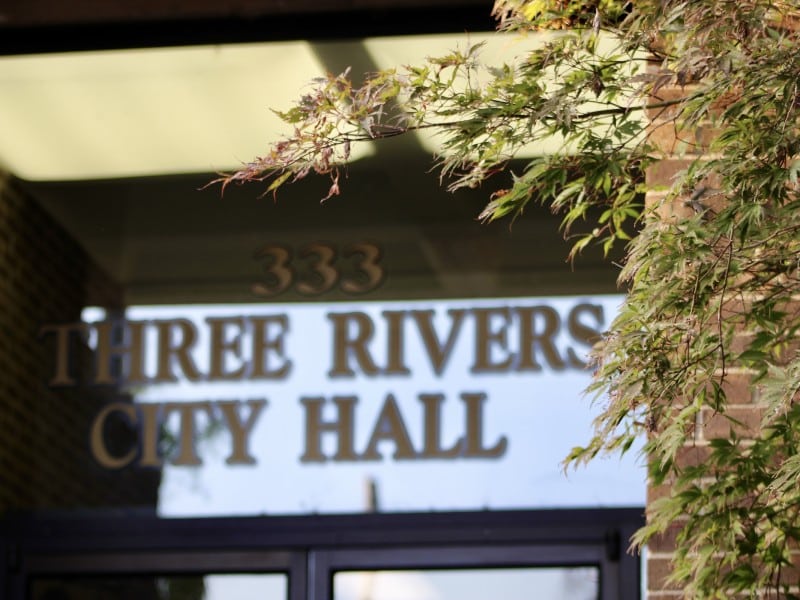
Local meeting primer: Three Rivers City Commission
The Three Rivers City Commission will meet this Tuesday, October 6 at 6 p.m. for a regular business meeting. Commissioners will work through a four item agenda at their first meeting since September 15. On the agenda is sidewalk replacement funding totaling $100K, airport runway obstruction removal for $1,300, a $77,500 purchase to replace and paint the chlorine hoist, and $12,667 for a change to aluminum doors at the Wellfield generator project.
Commissioners will also continue their process of purchasing and installing livestreaming equipment.
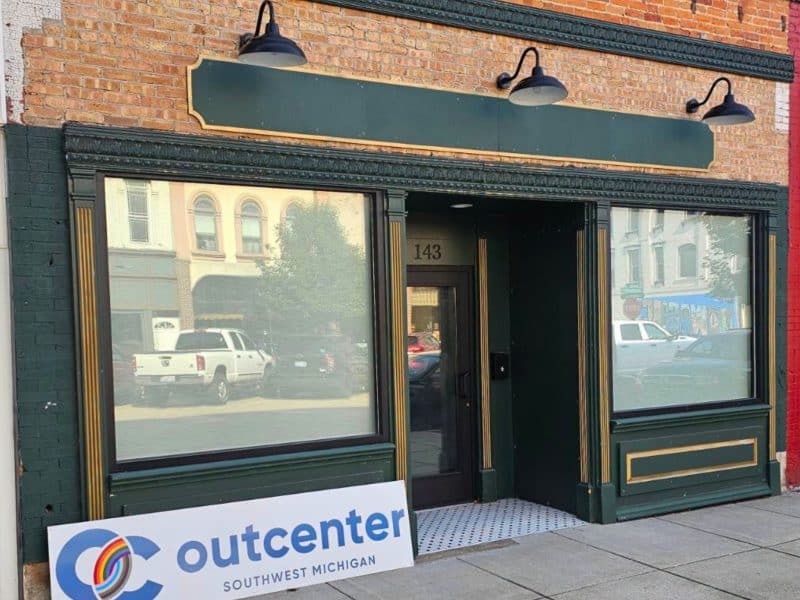
OutCenter hosting open house Friday in downtown Dowagiac
“We’re talking about a sizable portion of our communities that need support, need to be able to find community, and need folks out there that are advocating for them,” Executive Director Gerik Maverick said. “We have been working with schools for just over a decade. We work with healthcare systems on training to make sure folks are able to get resources. We’re working with the area agency on aging on some very exciting new projects.”
