
Good Grief. The Mother Wound, Part Five
In The Mother Wound, Part Five, Watershed Voice columnist Aundrea Sayrie writes, “Eventually there comes a moment where a person has to decide, ‘Do I carry this pain forever, or do I begin finding a way to free myself from it?’
“Because forgiveness is not for the other person. It is for you. For your peace of mind. For your ability to move forward without carrying the same emotional burden forever.”

Good Grief. is a dedicated space to explore how loss lives in our everyday lives and its impact on mental health. Written through the lens of lived experience, it examines the quiet ways grief shows up. In our bodies, our relationships, and the patterns we carry. Creating space for awareness, honesty, and repurposing pain.
If you haven’t read any of the previous parts of The Mother Wound series, click here.
Maybe you had a mother who abandoned you, didn’t prioritize you, or bullied you.
And maybe that hurt changed you in ways people could not always see.
Maybe it impacted your confidence.
Your ability to trust.
Your relationships.
Your sense of worth.
Maybe part of you is still grieving the version of yourself that could have existed if you had been loved more gently.
And as painful as that is, one of the hardest realities to accept is this:
In some situations, the apology is never coming.
Maybe because she is gone.
Maybe because she lacks the emotional capacity for accountability.
Or maybe because some people never become honest enough to face the harm they caused.
And eventually, there comes a moment where a person has to decide:
“Do I carry this pain forever, or do I begin finding a way to free myself from it?”
Because forgiveness is not for the other person.
It is for you.
For your peace of mind.
For your ability to move forward without carrying the same emotional burden forever.
No, it may not feel fair.
But sometimes healing begins by accepting reality for what it is, instead of exhausting yourself waiting for people to become who they may never choose to be.
And truly, I am sorry that happened to you.
But changing them may not be possible.
Finding peace despite what happened… that becomes your work to do.
This is what I refer to as supernatural.
When most people hear that word, they think of ghosts, spirits, or things beyond human understanding. But to me, supernatural can also mean choosing to go beyond what feels natural emotionally.
Because naturally, many people want to:
* shut down
* blame
* isolate
* stay angry
* stop trying
* stop trusting
* stay down after being hurt
And honestly, those reactions make sense.
But there is something deeply powerful about doing the harder work anyway.
The harder work of standing face-to-face with pain and unpacking it, even though you did not cause it.
The harder work of refusing to let suffering permanently harden you.
Yes, it is unfair.
But so is continually sacrificing yourself.
Overexhausting yourself.
Choosing solitude over companionship because trusting others no longer feels safe.
Peace is not impossible.
For many people…
it is simply unfamiliar.
When you’ve spent so much of your life earning love, proving worthiness, and preparing for disappointment, softness feels uncomfortable.
Being cared for can feel suspicious.
Receiving help can feel undeserved.
Stillness can feel unsafe.
And Your nervous system no longer knows how to rest.
And yet…
healing often asks people to learn what they were never taught in the first place.
How to receive.
How to trust.
How to be cared for without feeling indebted for it.
How to stop apologizing for existing.
And somewhere in that healing process, another difficult truth:
Our mothers are human too.
Not perfect.
Not limitless.
Not always emotionally equipped.
Sometimes young.
Sometimes wounded.
Sometimes surviving while trying to mother at the same time.
Understanding this does not suddenly make harmful experiences harmless.
It is possible for two truths to exist at once:
That hurt me.
and
They may have been hurting too.
Forgiveness.
because carrying anger forever can become another form of emotional imprisonment.
Forgiveness does not always mean reconciliation.
Sometimes it simply means:
“I no longer want this pain to define my life.”
if any part of this resonates with you…
You are allowed to rest.
To receive.
To heal.
Aundrea Sayrie is a writer, narrator, advocate, and the creator of Good Grief., a reflective platform exploring grief, belonging, identity, healing, and intentional living through storytelling and spoken reflection. Drawing from lived experience, community advocacy, and creative expression, her work centers emotional honesty, connection, and giving language to the experiences many people struggle to name. She truly believes the only thing worse than hurting is hurting alone and hopes to be a companion to others through their healing journey.
If you would like to support her work as an independent writer and creative, donations can be sent via Cash App: $Asayrie
Any views or opinions expressed in this column are those of the author and do not necessarily reflect the views or opinions of the Watershed Voice staff or its board of directors.
Author

Related Articles
Listen: Good Grief. Podcast, Episode 8
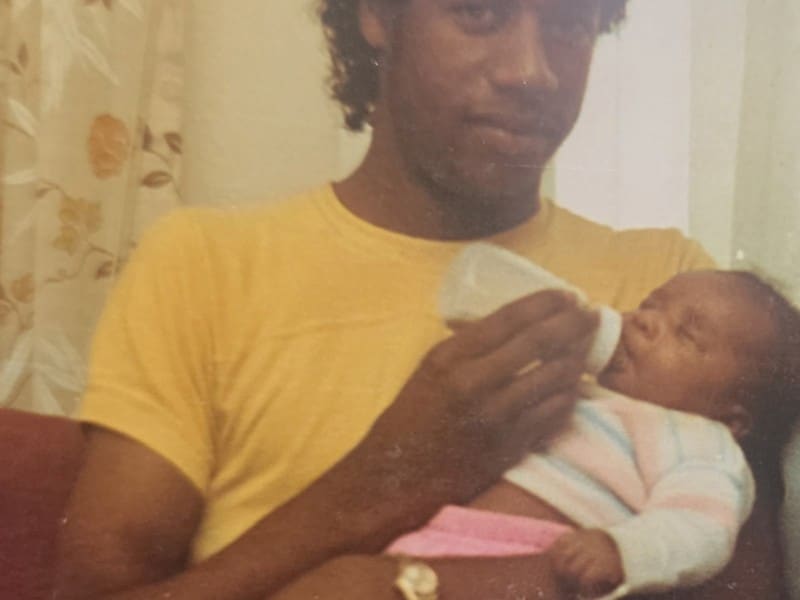
In the eighth episode of the Good Grief. Podcast, Aundrea Sayrie reflects on her late father who died just over a year ago. Aundrea writes about memories, trials, and tribulations related to her father, and how she has navigated through her grief over the past year.

Letter to the editor: The loss of Beacon’s gym will be felt generationally
Reverend Nicole Smith of Three Rivers writes, “A healthy human being is healthy physically, mentally, and emotionally. Health Trac sought to be a place where everyone from families with small children to octogenarians could gather safely and not just exercise but also socialize, interact on an intergenerational basis, and find not just a healthier body but release from stress, anxiety, fear, and loneliness.”
Listen: Good Grief. Podcast, Episode 7
Grievers are all around us and most of the time, we have no idea.
In recognition of National Grief Awareness Day, August 30, this episode of Good Grief. explores what awareness asks of all of us.
