
Whitmer announces first batch of local road funding
The first batch of local funding is being disbursed to cities and counties across Michigan as part of Governor Gretchen Whitmer’s Neighborhood Roads Fund (NRF), which aims to rebuild state and local roads and bridges.
Locally, residents in Three Rivers and Sturgis have complained to local officials about the condition of their roads, asking for plans to fix them. Those officials have said some of the most problematic roads are owned and maintained by the state, meaning responsibility for those repairs rests with the state.
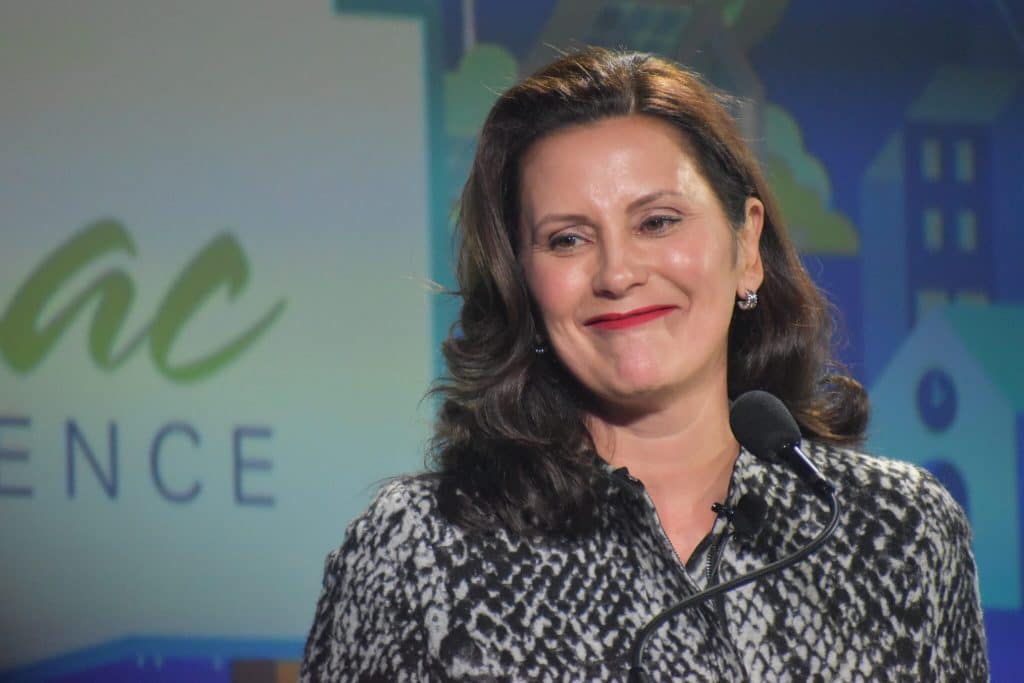
The first batch of local funding is being disbursed to cities and counties across Michigan as part of Governor Gretchen Whitmer’s Neighborhood Roads Fund (NRF), which aims to rebuild state and local roads and bridges.
The NRF is part of a broader long-term transportation funding package enacted in 2025. The package changes how several existing state taxes are distributed, including dedicating taxes paid at the pump to transportation and directing revenue from the marijauna and corporate incomes taxes towards roads. The plan is expected to provide nearly $2 billion in additional annual transportation funding once fully implemented.
The new revenue is not limited to city and county streets, the broader funding package supports state and local roads and bridges, while also providing $100 million for local bridges, $100 million for public transit, and $40 million for rail grade separation projects.
Unlike a grant tied to a specific project, NRF payments can be used by local road agencies for a range of eligible road work. According to the Michigan Department of Transportation, the money is restricted to activities eligible under Act 51 and can be spent on major or primary roads and local roads included in the agency’s certified road or street system. MDOT says local governments are not required to provide matching funds to use that money.
According to MDOT’s funding schedule, July was the revenue collection month for this first round of funding, August was the processing month, and September is the payment month. Once received, local agencies can budget the money for eligible road work. MDOT does not designate specific projects for each community through these distributions; cities, villages, and county road agencies determine how to budget the money within Act 51 requirements.
MDOT says future NRF payments will be distributed once required set-asides have been met and enough revenue is available in the fund. That means future payments may vary depending on the amount of revenue collected.
Locally, residents in Three Rivers and Sturgis have complained to local officials about the condition of their roads, asking for plans to fix them. Those officials have said some of the most problematic roads are owned and maintained by the state, meaning responsibility for those repairs rests with the state.
Watershed Voice reviewed the funding distributions for southwest Michigan. Below are allocations for several communities in the region.
City funds
For cities and villages, the state distributes the funding between two classifications: major streets and local streets. Both classifications refer to streets under the jurisdiction of the local municipality, not state-owned highways that pass through the community. According to MDOT, major streets are selected based on their importance to the municipality, while other streets in the system are classified as local streets. State trunkline highways, including I-, U.S.-, and M-numbered routes, remain under MDOT’s jurisdiction.
Three Rivers
Major Street: $65,225.14
Local Street: $27,787.06
Total: $93,012.20
Sturgis
Major Street: $93,424.97
Local Street: $34,682.76
Total: $128,107.73
Centreville
Major Street: $11,546.91
Local Street: $5,182.00
Total: $16,728.91
Constantine
Major Street: $20,091.76
Local Street: $6,918.35
Total: $27,010.11
Dowagiac
Major Street: $54,088.19
Local Street: $20,311.74
Total: $74,399.93
Kalamazoo
Major Street: $698,645.98
Local Street: $197,269.88
Total: $895,915.86
Cassapolis
Major Street: $18,459.08
Local Street: $6,372.25
Total: $24,831.33
County funds
County road funding is divided into four categories: county primary, county local, urban primary, and urban local. These classifications apply to roads under the jurisdiction of county road agencies, rather than state-owned highways. Primary roads generally serve broader transportation needs within the county, while local roads primarily provide access to homes, farms, and businesses. The urban categories distinguish portions of those county road systems located within designated urban areas.
St. Joseph
County Primary: $510,311.02
County Local: $268,151.30
Urban Primary: $32,237.34
Urban Local: $11,281.87
Total: $821,981.53
Cass
County Primary: $478,993.10
County Local: $300,690.53
Urban Primary: $49,358.47
Urban Local: $17,147.57
Total: $846,189.67
Kalamazoo
County Primary: 1,497,360.09
County Local: 495,234.30
Urban Primary: 263,365.35
Urban Local: 82,194.39
Total: 2,338,154.13
Whitmer ran for governor in 2018 on a pledge to “fix the damn roads,” and said Monday that the new funding continues that effort.
“I am proud to keep my promise and get it done with last year’s balanced, bipartisan budget. We’re making a historic investment of nearly $2 billion to fix state and local roads, creating tens of thousands of good-paying jobs and lowering costs for drivers across Michigan,” Whitmer said in a press release. “Today’s disbursement will build on the progress we have made to fix the damn roads and create a stronger Michigan.”
Maxwell Knauer is a staff writer for Watershed Voice.
Author
Related Articles
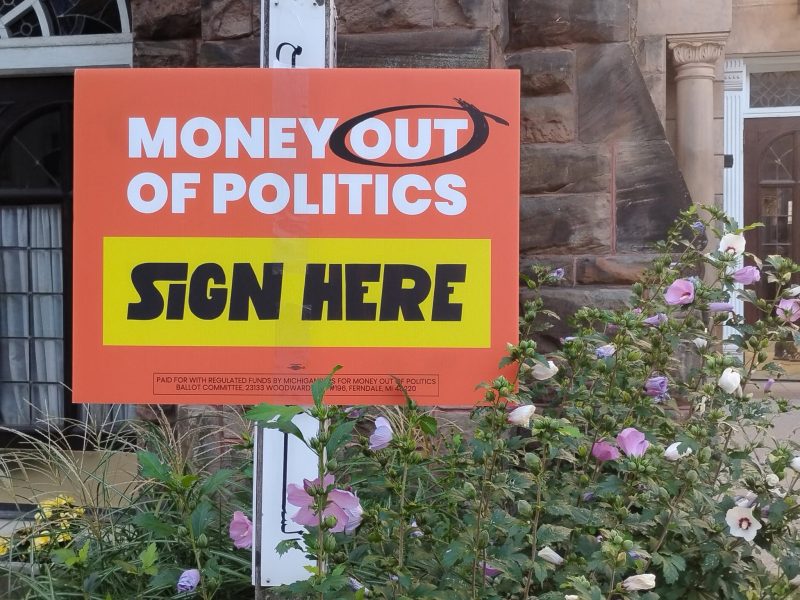
‘Money out of politics’ will be on Michiganders’ ballots this November
The ballot proposal would amend the Michigan Campaign Finance Act to prohibit regulated electric and gas utilities from making certain direct or indirect political contributions. It would also restrict government contractors with more than $250,000 annually in qualifying contracts, along with certain people and organizations affiliated with those companies, from contributing to candidates in jurisdictions that awarded the contracts.
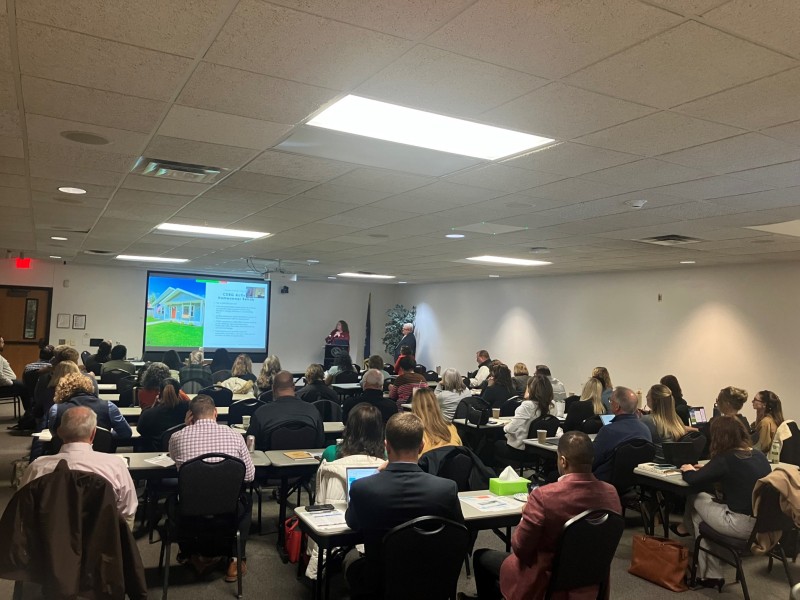
Michigan counties, towns spend $30B a year. Could collaboration get more done?
Berrien County leaders recently established a new nonprofit that works to keep housing affordable. It’s an example of cooperation that policymakers wish happened more often among the state’s 1,856 counties, cities, townships and villages. Collectively, those local governments spend more than $30 billion a year, according to US Census data, including $1.7 billion in state revenue sharing.
Watershed Voice sends out candidate questionnaires for August primary election
This Thursday, July 16, Watershed Voice sent out candidate questionnaires to candidates in the following August primary elections: State Senate District 17, State House District 36, and Three Rivers City Commission 2nd District.
Candidates in those elections will have exactly one week, until Thursday, July 23 to complete the questionnaires. Once completed, Watershed Voice will publish the responses in the order they are received the week before the August 4 election.
