
Candidate Questionnaire: Chris Glasser
Chris Glasser, Kalamazoo City Mayor candidate filled out our questionnaire, below are his answers.
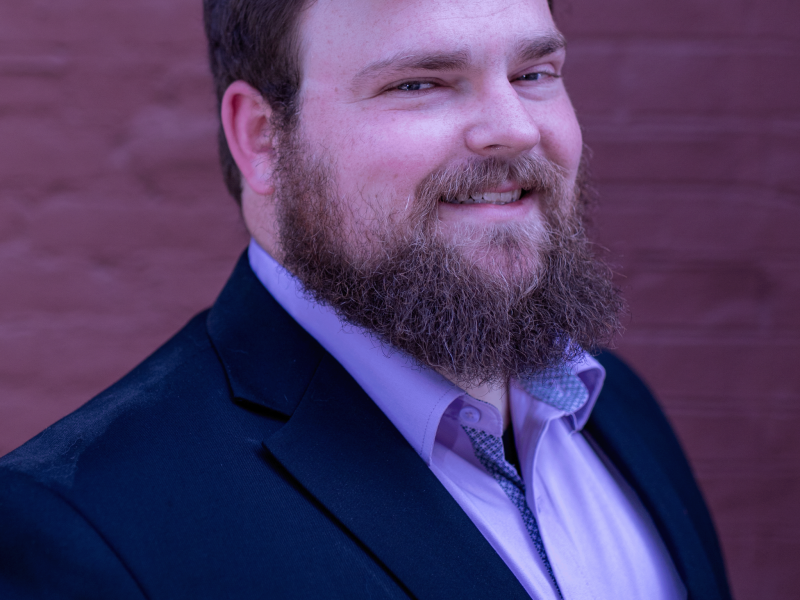
Chris Glasser, Kalamazoo City Mayor candidate filled out our questionnaire, below are his answers.
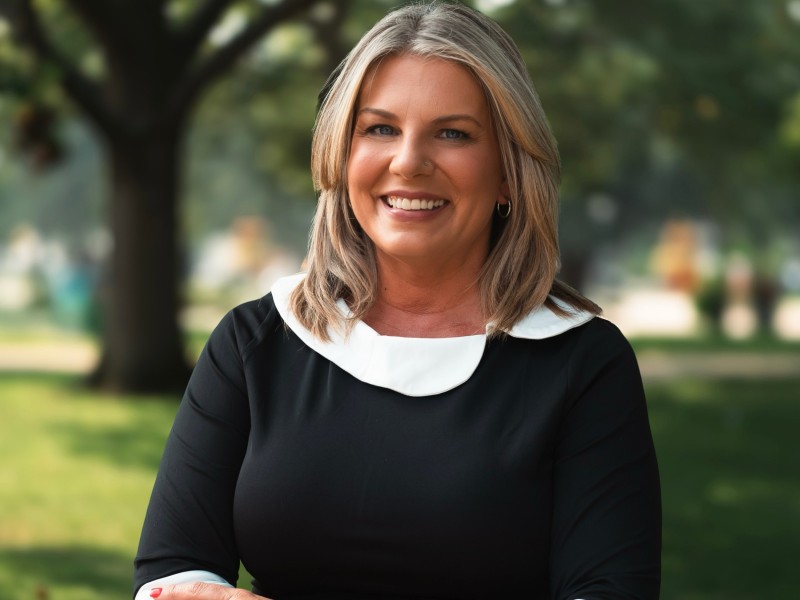
Jess Thompson, Kalamazoo City Commission candidate filled out our questionnaire, below are her answers.
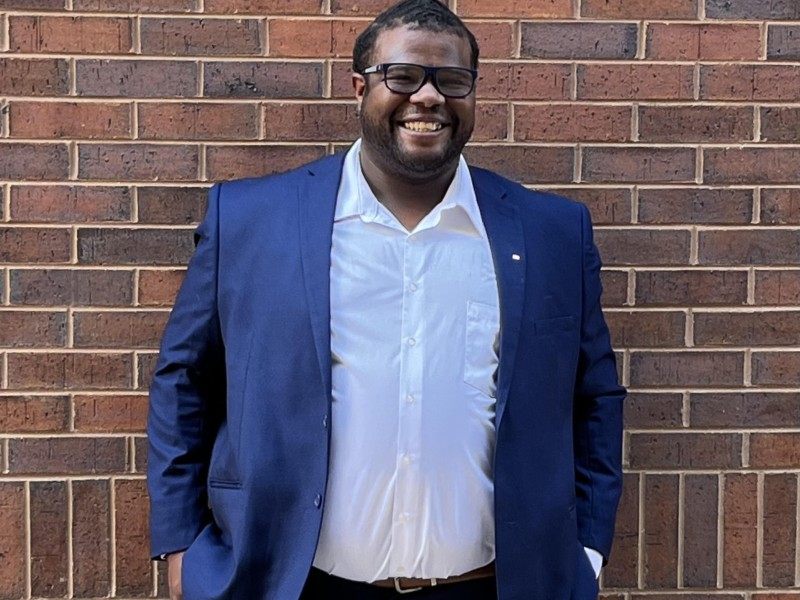
Drew Duncan, Kalamazoo City Commission candidate filled out our questionnaire, here are his answers.

Watershed Voice invites readers to share their Halloween spirit. Send photos of you, your friends, family, or pets in costume to maxwell@watershedvoice.com. If we receive enough submissions, we’ll publish a Watershed Voice reader costume gallery next week. All are welcome.
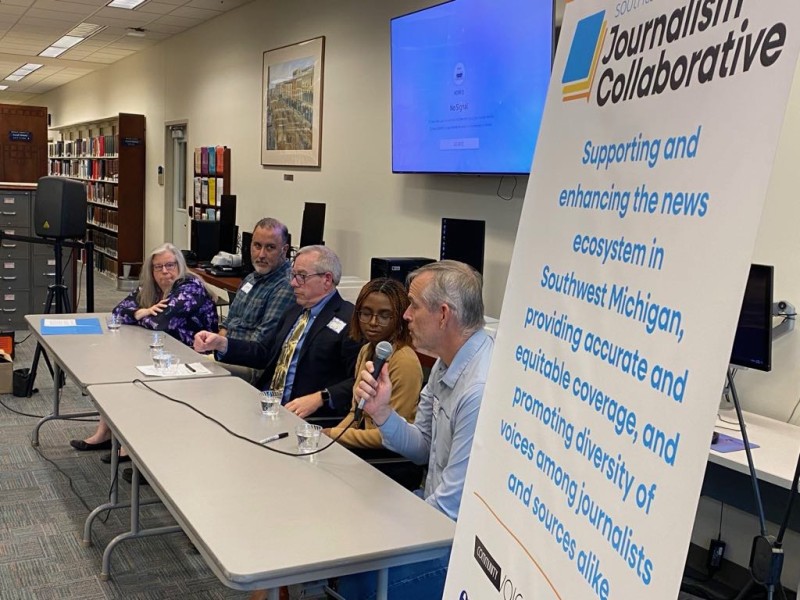
The panel featured five journalists, each representing a different outlet within the collaborative, of which Watershed Voice is a member: Gordon Evans of WMUK, Lem Montero of Public Media Network, Aya Miller of MLive, Kathy Jennings of Second Wave Media, and Reed Williams of NowKalamazoo.
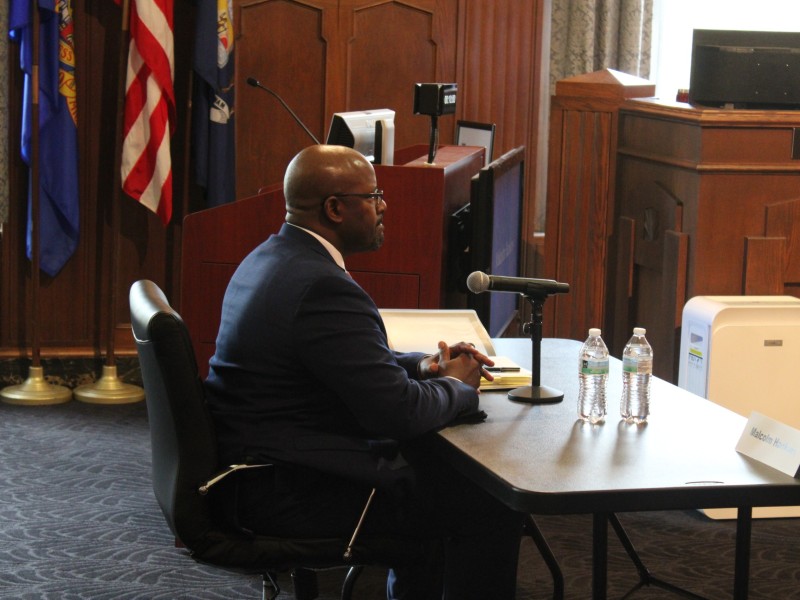
Hankins has built his career around community development, neighborhood revitalization, and equity in local government. Before joining Des Moines, he held leadership roles in Aurora, Chandler, and Scottsdale, Arizona, where he directed housing and neighborhood services, launched customer service and blight-remediation initiatives, and advanced programs to improve housing stability.
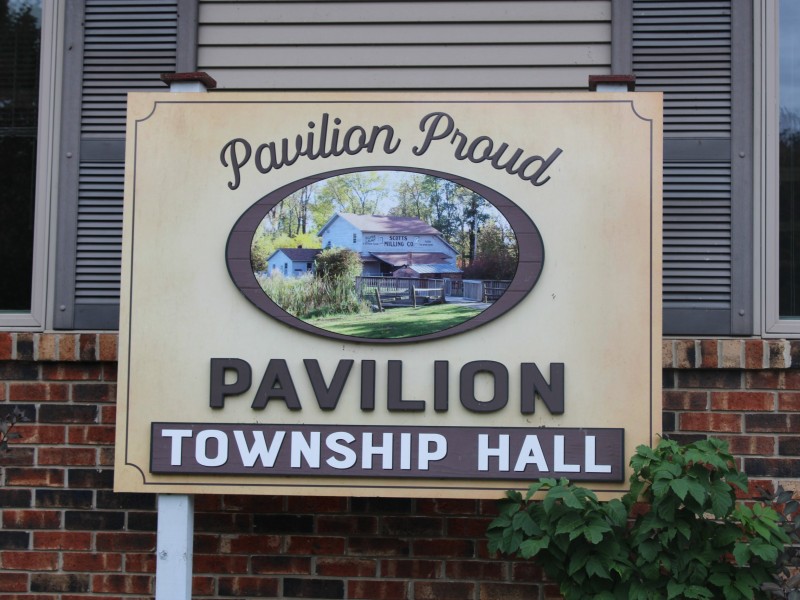
Thursday’s meeting was expected to bring a decision, but the township canceled it because the data center amendment was the only agenda item and the property owner decided to “step back and better inform residents before moving forward,” Township Supervisor John Speeter told Watershed Voice. The proposal is expected to return in November.

Commissioners said they’ll consider both the interviews and public feedback before making their choice. Residents can submit feedback through the city’s online form or speak during the public comment period during the City Commission Committee of the Whole meeting at 5 p.m. ahead of Monday’s 7 p.m. meeting in order to provide feedback before decisions are made.

Judge Christopher P. Yates wrote in his October 14 opinion that while the changes “may seem unwise,” nothing in state law prevents the Michigan Department of Health and Human Services (MDHHS) from implementing them. If the state proceeds as planned, the 10 existing PIHP (prepaid inpatient health plan) regions — including Southwest Michigan Behavioral Health — would be dissolved after fiscal year 2026, and the new regional entities would begin managing Medicaid mental-health funding in FY 2027.
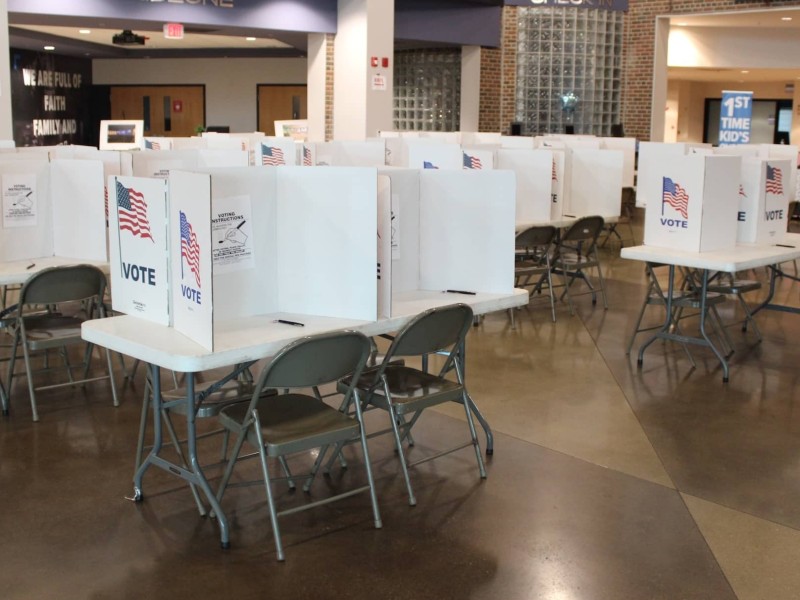
Candidates have until the end of business on Friday, October 24, giving them approximately two weeks to complete and return their questionnaires. Watershed Voice will publish the questionnaires in the order received the week before November's election.

A NOTE FROM OUR EDITOR
Become a monthly donor today
A monthly donation of $5 or more can make a difference.