
How to be an ally during Pride Month and beyond
While Pride Month is primarily about celebrating the LGBTQIA+ community and love in its many forms, it can also be an opportunity for allies to look inward and reflect on how to be better. Not just as individuals, but collectively, what does it take to make someone feel truly welcome — and not simply accepted?
To explore that question, Watershed Voice spoke with Heather Sanford of OutFront Kalamazoo about what meaningful allyship can look like during Pride Month and long after June ends.
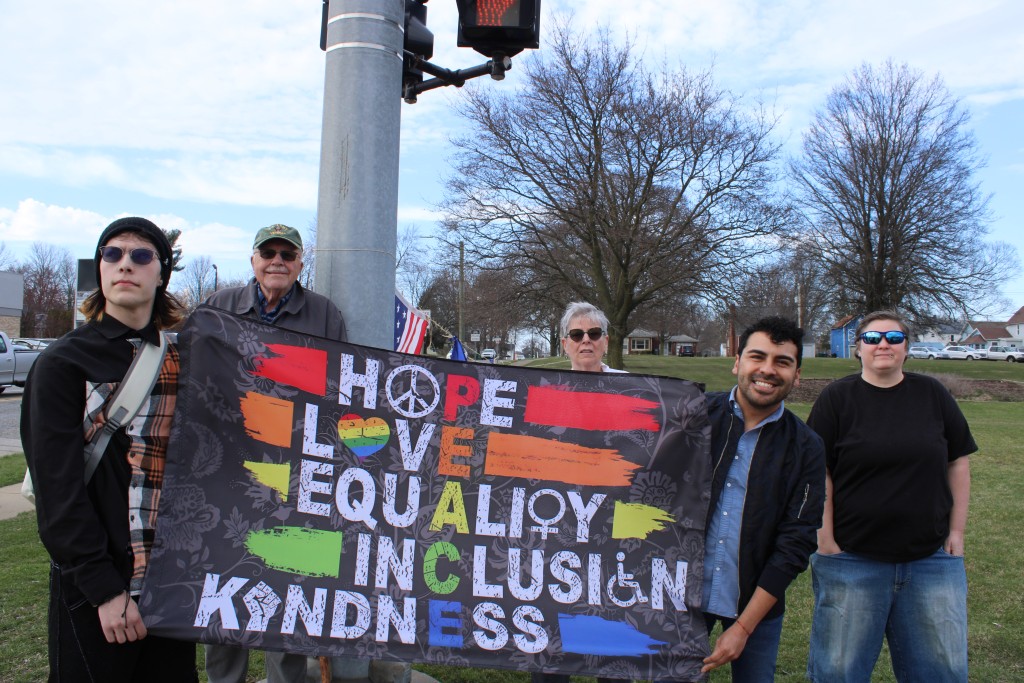
While Pride Month is primarily about celebrating the LGBTQIA+ community and love in its many forms, it can also be an opportunity for allies to look inward and reflect on how to be better. Not just as individuals, but collectively, what does it take to make someone feel truly welcome — and not simply accepted?
To explore that question, Watershed Voice spoke with Heather Sanford of OutFront Kalamazoo about what meaningful allyship can look like during Pride Month and long after June ends.
For many people, Pride Month support often begins with visible gestures: wearing a Pride pin, attending community celebrations or displaying rainbow flags. While those acts can signal support, Sanford said truly meaningful allyship often requires more intentional and sustained action.
“It’s tough to think of any one-shot actions that you can take during Pride Month that will have more than symbolic meaning to them,” Sanford said. “Tough, but not impossible.”
One example she pointed to locally came from Kalamazoo Community Foundation, which created a housing resource guide specifically for LGBTQIA+ community members and distributed it during this year’s Kalamazoo Pride. Sanford said OutFront Kalamazoo was consulted throughout the process to help ensure the resource would be genuinely useful to the people it was meant to serve.
She also shared a smaller but equally meaningful example from someone in her own circle — a friend who spends the year collecting secondhand LGBTQIA+ children’s books, then distributes them throughout June by placing them in Little Free Libraries around the community.
While these acts happen during Pride Month, Sanford said what makes them impactful is the planning and intention behind them, often beginning months before June arrives.
For those wondering where to begin, Sanford says one of the biggest misconceptions about allyship is believing that basic gestures alone are enough.
“Many folks think that being a good ally is as simple as using someone’s chosen pronouns or wearing a Pride pin on their jacket,” Sanford said. “Those are nice, but they’re just a baseline.”
Instead, she encourages people to think beyond simple allyship and toward deeper, more consistent forms of support.
For some, that may look like volunteering with local LGBTQIA+ organizations such as OutFront Kalamazoo or Three Rivers and Sturgis Pride. For others, it could mean committing to recurring monthly donations, intentionally reading books by LGBTQIA+ authors, educating themselves on issues impacting queer communities, or creating safer and more affirming spaces in their workplaces, schools or neighborhoods.
Sanford suggested people think of Pride Month less as a single celebration and more as an invitation to build habits of support that continue year-round.
“I think Pride Month is a wonderful invitation to reflect on how you are working throughout the year to create a world that embraces all genders and sexualities,” she said.
That reflection comes at a time when many LGBTQIA+ advocates say community members continue facing uncertainty both locally and nationally.
Sanford said southwest Michigan reflects many of the same challenges seen elsewhere across the country. While communities like Kalamazoo often serve as welcoming spaces for LGBTQIA+ residents, concerns surrounding discrimination, access to affirming healthcare, housing security and mental health support continue affecting many people in the community.
She said broader national policy debates and shifting political climates can sometimes make it feel easy for people outside the community to disconnect or assume these challenges are outside of their control.
“When these changes are coming from such a strong authority, it’s easy to shrug your shoulders and act as though it’s out of your control,” Sanford said. “Visible allyship matters because it shows that you do not accept the new normal, and invites others to stand alongside you.”
For those unsure where to begin, Sanford offered one final piece of advice: start somewhere.
“Just try,” she said. “It’s okay if you’re not perfect, it’s okay if you don’t feel like you know everything or have all the answers. Just keep trying your best, every day, to show up as best as you know how.”
For those looking to move beyond symbolic support this Pride Month, local organizations say meaningful allyship often begins with staying engaged long after June ends. Whether through education, volunteering, or supporting community resources, southwest Michigan residents have several ways to stay connected year-round.
Local LGBTQIA+ Resources and Ways to Support
• OutFront Kalamazoo
Southwest Michigan’s primary LGBTQIA+ community organization offering youth and adult support groups, advocacy work, community programming and educational workshops. Residents can volunteer, donate or participate in year-round programming.
• OutFront Kalamazoo Volunteer Opportunities
OutFront offers event volunteers, committee volunteers and office support opportunities throughout the year, including Kalamazoo Pride programming.
• OutFront Kalamazoo Community Resource Guide
A locally curated resource guide connecting LGBTQIA+ individuals with housing support, affirming healthcare providers, mental health resources and community services throughout southwest Michigan.
• Kalamazoo LGBTQIA+ Workshops and Education
OutFront offers workshops for schools, workplaces, churches and organizations focused on LGBTQIA+ inclusion, workplace equity, history and legal issues affecting the community.
• OutCenter of Southwest Michigan
A regional LGBTQ+ community center serving southwest Michigan with support services, community programming and advocacy resources.
• LGBTQ-Affirming Health Resources
For individuals seeking affirming healthcare providers and gender-affirming care resources, local directories through Western Michigan University and regional healthcare organizations provide updated provider lists.
And, of course, consult Watershed Voice’s Pride celebration guide to find any remaining opportunities to put your passion to action.
Maxwell Knauer is a staff writer for Watershed Voice.
Author

Related Articles
Listen: Good Grief. Podcast, Episode 8
In the eighth episode of the Good Grief. Podcast, Aundrea Sayrie reflects on her late father who died just over a year ago. Aundrea writes about memories, trials, and tribulations related to her father, and how she has navigated through her grief over the past year.

Letter to the editor: The loss of Beacon’s gym will be felt generationally
Reverend Nicole Smith of Three Rivers writes, “A healthy human being is healthy physically, mentally, and emotionally. Health Trac sought to be a place where everyone from families with small children to octogenarians could gather safely and not just exercise but also socialize, interact on an intergenerational basis, and find not just a healthier body but release from stress, anxiety, fear, and loneliness.”

Celebrate and reflect this Labor Day
The first Monday in September marks Labor Day, an annual celebration of the social and economic achievements of American workers. Labor unions have long fought for changes in wages, working hours, and workplace conditions in the United States, winning reforms that reshaped American workplaces.
But shorter working hours have not meant that workers and corporate leaders have shared equally in economic gains.
