
Celebrate and reflect this Labor Day
The first Monday in September marks Labor Day, an annual celebration of the social and economic achievements of American workers. Labor unions have long fought for changes in wages, working hours, and workplace conditions in the United States, winning reforms that reshaped American workplaces.
But shorter working hours have not meant that workers and corporate leaders have shared equally in economic gains.
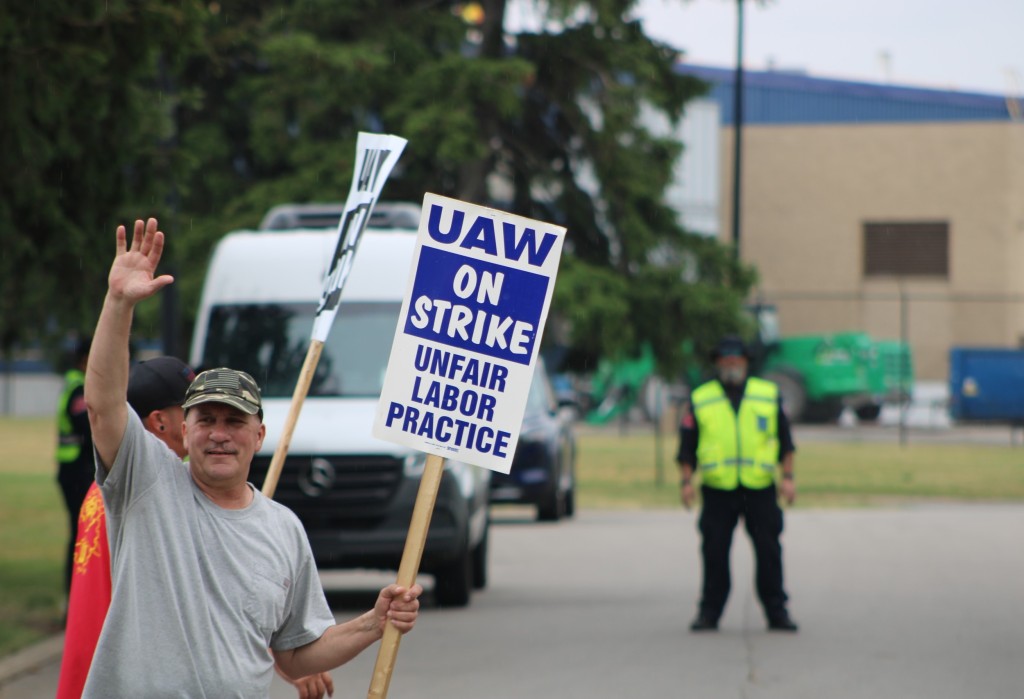
Many people don’t think about Labor Day until Sunday night, when they realize they don’t have to go to work the following morning. Others have planned their pool parties weeks in advance.
But the holiday is more than a long weekend. It grew out of a labor movement in which workers spent decades fighting for better wages, shorter hours, and safer working conditions.
This Labor Day, Watershed Voice invites you to take a moment away from your weekend to remember the workers and labor activists behind the holiday — and the history behind the working conditions many Americans experience today.
What is Labor Day?
The first Monday in September marks Labor Day, an annual celebration of the social and economic achievements of American workers. Labor unions have long fought for changes in wages, working hours, and workplace conditions in the United States, winning reforms that reshaped American workplaces.
The holiday grew out of a late-19th-century push by labor activists for a federal holiday recognizing workers’ contributions to the country. Several states had already recognized Labor Day before it became a federal holiday.
The first Labor Day celebration was held September 5, 1882, in New York City. On June 28, 1894, President Grover Cleveland signed legislation making the first Monday in September a national holiday, according to the U.S. Department of Labor.
Working hours remain one of the biggest victories of labor activists and are a key measure in how labor rights have changed throughout history.
The workweek averaged about 69 hours in 1830, according to the Economic History Association. By 1900, the average manufacturing workweek was about 59 hours.
In July 2026, private-sector employees worked an average of 34.3 hours per week, according to the U.S. Bureau of Labor Statistics.
But shorter working hours have not meant that workers and corporate leaders have shared equally in economic gains. From 1978 to 2024, inflation-adjusted compensation for a typical worker increased 26%, while compensation for CEOs at the 350 largest U.S. firms increased 1,094% according to an analysis by the Economic Policy Institute. In 2024, those CEOs made about 281 times as much as a typical worker, compared to about 31 times as much in 1978.
Local Union President Eddie Lebouef shared why Labor Day holds particular importance for him as a union member.
“It is recognition that this country was built on the backs of the labor class. It is a day of somber reflection of the workers who gave their lives fighting for things like a living wage, a 40-hour-work week, an eight-hour day, overtime pay, and the right to organize a union,” he said, adding that today we often take these benefits for granted.
Leboeuf added, however, that he believes the labor movement’s work is far from over, pointing to economic inequality in the country.
“Unfortunately that fight is not over, and if anything is intensifying now. The gap between working class people, and the wealthy is greater than any time in history. We as workers need to join in solidarity, and say enough is enough. We aren’t asking for everything, but we do deserve a living wage, and a sustainable retirement. We deserve time to spend with our families. We deserve to not be bankrupted by medical debt. All of this is possible if we as workers just stand up, and stand together.”
Organized labor and the political action surrounding it helped drive many changes to wages, working hours, and workplace protections over the decades. Labor Day offers an annual opportunity to reflect on that history and continue conversations about the conditions many workers face today.
Maxwell Knauer is a staff writer for Watershed Voice.
Author

Related Articles

Q&A: Jim Berry, Superintendent of St. Joseph County Intermediate School District
James “Jim” Berry, first-year superintendent at St. Joseph County Intermediate School District (ISD), shared his perspective on his goals for his new role and the state of education amid the AI boom. We spoke with Berry about his first few weeks in his new role, his visions for the future of ISD amid an ever-changing job market, and how he plans to give students the tools they need to succeed.
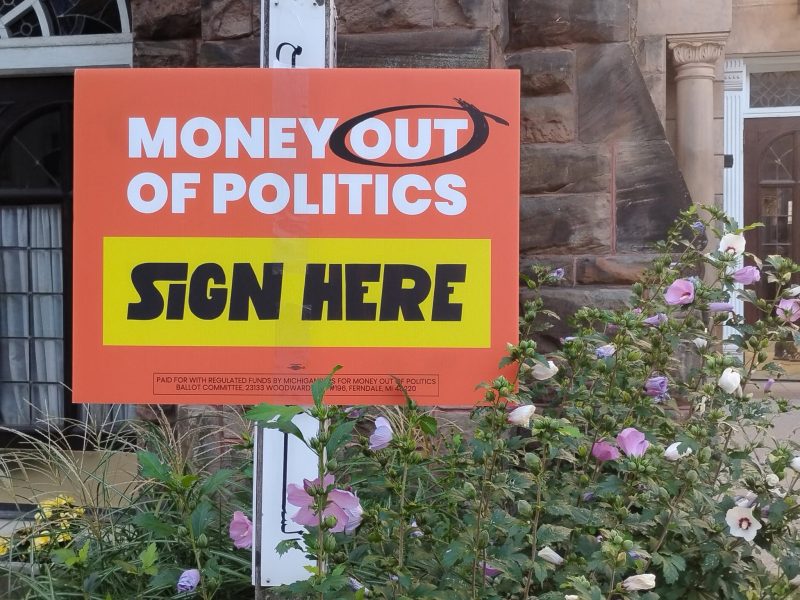
‘Money out of politics’ will be on Michiganders’ ballots this November
The ballot proposal would amend the Michigan Campaign Finance Act to prohibit regulated electric and gas utilities from making certain direct or indirect political contributions. It would also restrict government contractors with more than $250,000 annually in qualifying contracts, along with certain people and organizations affiliated with those companies, from contributing to candidates in jurisdictions that awarded the contracts.
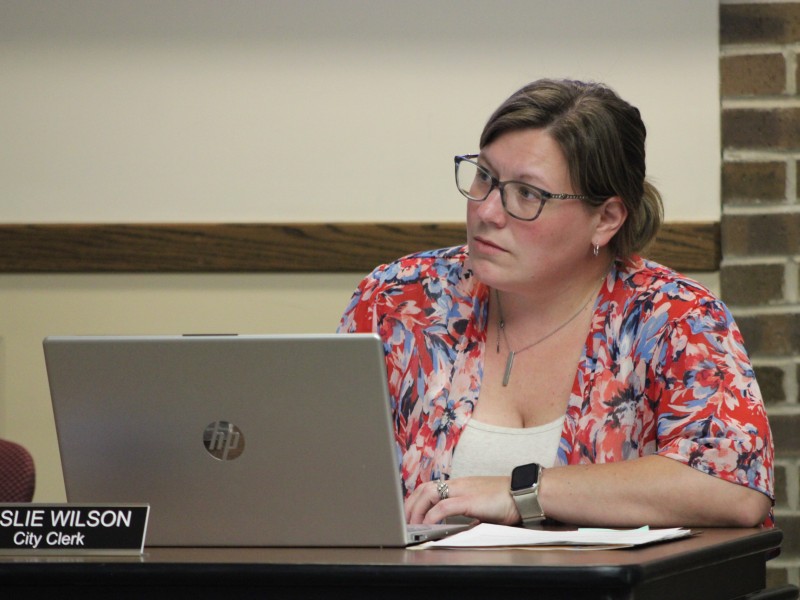
Live-streaming plan heads back to drawing board in Three Rivers
City staff recommended purchasing a Meeting Owl 5 Pro camera and supplemental equipment for up to $5,000, along with adopting a video retention policy. The proposed policy called for recordings to be deleted one day after the minutes for the corresponding meeting were approved — which occurs at the following meeting, typically 2-3 weeks later — unless a legal, FOIA, audit or investigation hold applied.
The system and policy were voted down unanimously.
